Showing posts with label Relationships. Show all posts

Monday, April 15, 2024

Dividing Assets after Separation

Are you ever prepared for dividing assets after separation?

While we may dream of a life of marital and domestic bliss, things don’t always go according to plan.

Separation and divorce are facts of life. In fact, ABS data shows that in 2021 there was one divorce for every 1.6 marriages. So, if you are considering separation – firstly, please know that you’re not alone!

It can be a difficult time, both emotionally and legally, with many critical things to navigate – such as the division of assets. However, with some careful research and planning – along with an experienced family lawyer in your corner – you can navigate this troubled time successfully.

Finding a Lawyer

divorce lawyer separation with couple

Family law is a complex area that encompasses parenting matters, property settlement, domestic violence, dispute resolution and litigation, surrogacy, binding financial agreements, prenups, and more.

Many people have never had to deal with a lawyer until they separate, so it can be a nerve-wracking experience. By choosing a family lawyer experienced in separation and divorce, based on recommendations and reviews, you can have peace of mind that you are in good hands.

Thinking About Separating? Take these First Steps

  1. As soon as you decide to separate, speak to a lawyer specialising in separation and divorce issues. They’ll guide you, offer sound advice, and help you understand the process.
  2. Seek support from family, friends, or a mental health professional as needed to help you deal with your emotions.
  3. If you are a parent, it’s mandatory under Australian family law for you to attempt Family Dispute Resolution before applying for parenting orders (this is not the case for couples).
  4. Work with your ex-partner to reach an agreement about finances, property, and parenting. The ideal scenario would be to negotiate a settlement, rather than have to go to court – which is an expensive and time-consuming endeavour. It’s important to formally finalise these agreements to prevent future claims or misunderstanding.

The 4 Step Process to Determine Division of Assets After Separation

divorce form, drawing of house split in 2 and keys

When it comes to dividing your assets, the steps involved are:

Identify and value your assets, liabilities, and resources

List and evaluate all assets, liabilities, and resources held by both parties. This includes properties, investments, savings, vehicles, businesses, superannuation, debts, and any other financial holdings. You may need valuation experts to help determine the precise value of certain assets – especially if there are disagreements or complex financial structures involved.

Consider the contributions of the parties made through the relationship

Consider financial contributions such as income, inheritance, or property acquisition, along with non-financial contributions like caregiving, homemaking, and support for a partner’s career advancement. The duration of the relationship and the roles each party played in maintaining the household and raising children are also taken into account.

The goal here is to recognise and fairly attribute the efforts and sacrifices made by each party during the course of the relationship.

Consider the future needs of each party

When it comes to assessing future needs, factors such as age, health, earning capacity, childcare responsibilities, and financial resources are considered. For instance, a spouse with limited earning potential or health issues may require additional financial support to maintain a reasonable standard of living.

Similarly, arrangements concerning the care of children, including their educational and healthcare needs, are factored into the decision-making process. The aim is to achieve a balance that enables both parties to move forward with financial stability and independence.

Determine whether the proposed settlement is just and equitable

The court then examines whether the division of assets is fair and reasonable in light of all the circumstances surrounding the separation. This includes assessing the financial and non-financial contributions of each party, their future needs, the welfare of any children involved, and any other relevant factors.

If the proposed settlement aligns with these principles, it is deemed just and equitable, providing closure to the asset division process.

Dividing assets after separation can be a tricky process. However, seeking professional legal advice and engaging in open communication can help facilitate smoother negotiations and ultimately lead to being able to close this chapter of your life for good so you can get on with the next.

Sunday, October 24, 2021

40+ Gratitude Examples & Keeping a Gratitude Journal

Looking for gratitude examples?

This post contains an affiliate link that I will receive a small commission should you make a purchase.

It’s a proven fact that expressing gratitude every day not only improves your life but brings you joy and riches beyond belief. It is not only evident in your personal life but your home life and how you become more organised and appreciate what you have instead of seeking material possessions to make you feel better. Here are 40+ gratitude examples and the importance of keeping a gratitude journal.

40+ Gratitude Examples & Keeping a Gratitude Journal www.domesblissity.com

By expressing gratitude on a daily basis not only are you rewiring your brain to become more positive, you’ll attract more of the same. You’ll begin to focus more on the positives and less on the negatives and you’ll naturally want to improve your circumstances and your life.

Gratefulness is the key to a happy life that we hold in our hands, because if we are not grateful, then no matter how much we have we will not be happy — because we will always want to have something else or something more. ~ Br. David Steindl-Rast

Here are 40+ gratitude examples and the importance of keeping a gratitude journal.

Why we should express gratitude

Life is a lot different to when I was a child growing up in the 1960s and 1970s. Even when I was a young adult in the 80s, life seemed to be a lot easier. Sure, there were still times when we wanted more or were influenced by what others had but now, in the 21st century and with social media so present in our lives, never has it been more evident that we are living in an age of FOMO (Fear of Missing Out), we’re all so super busy and we’re losing touch with face to face interaction with friends and family.

We can spend too much time worrying about how awful our life is. How messy our homes are. How we’re too busy to keep our homes tidy let alone be grateful for anything. Here are some examples of what you can be grateful for when life seems to be hopeless and not going the way you want.

Gratitude Examples

“I’m grateful for…”

  • another day
  • beautiful weather
  • rainy days snuggled up inside
  • a job to go to
  • the ability to stay home to care for my family
  • a vehicle to drive
  • a roof over our heads
  • food on the table
  • fresh air to breathe
  • fresh water to drink
  • a healthy body to get me through the day
  • people who love me
  • a bed to sleep in
  • children to care for
  • a partner who I love and adore
  • time on my own to gather my thoughts
  • time on my own to spoil myself
  • furniture and appliances that serve a purpose in my home
  • the sun, the moon, the wind, the sky, the ocean, flowers, plants, trees
  • shops that have an endless supply of food to buy
  • money to pay for everything we need
  • family
  • skills that I’ve learnt that help me to prepare food and look after my home
  • skills that I’ve learnt that enable me to create and continue my hobbies
  • memories
  • cooling or heating in my home
  • cupboards to store my personal possessions
  • clothes to wear that protect my body from the elements
  • vacations
  • another breath
  • books to read
  • the internet to keep in touch with family
  • pencils, pens and books to write in what I’m grateful for
  • education
  • friends
  • morning coffee/tea
  • laughing
  • the joy of seeing my children every day
  • the ability to forgive
  • patience
  • being child-free
  • time out with my partner
  • parents
  • grandparents
  • relatives

There are of course many other gratitude examples that are applicable to your life. Write them down in your gratitude journal and refer to them if nothing else comes to mind.

Keeping a Gratitude Journal

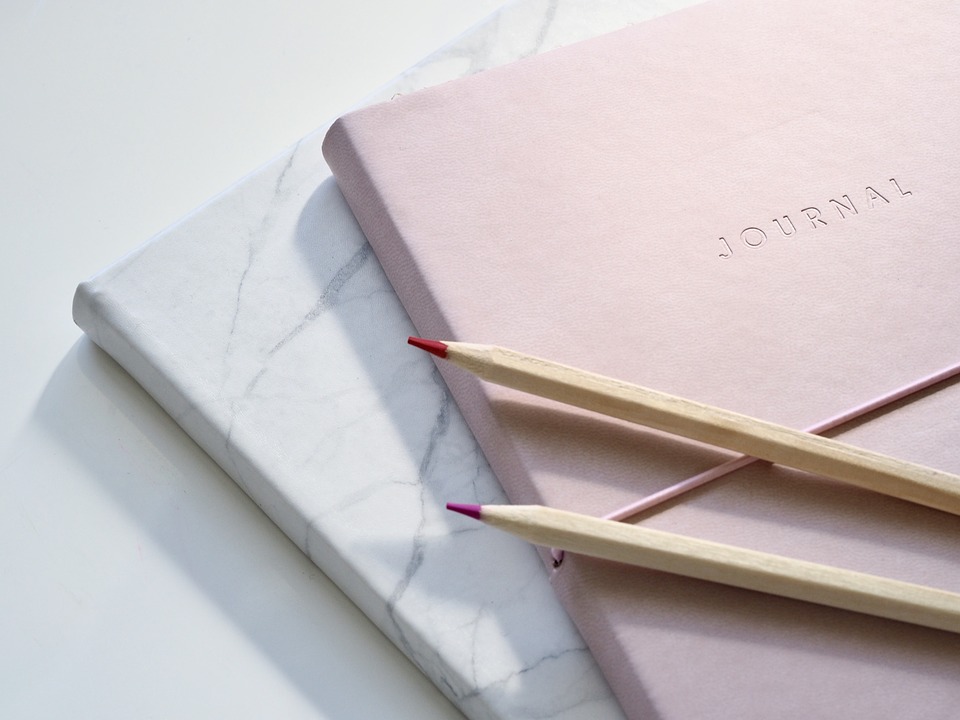
There are no hard or fast rules about how you should express gratitude but one of the best ways I’ve found, that works for me, is to write at least 3 things that I’m grateful for, every day, in a journal.

40+ Gratitude Examples & Keeping a Gratitude Journal www.domesblissity.com

The journal doesn’t have to be a fancy, leather bound book. Any writing pad, plain paper book will do. The best part about writing it in a journal is that you have a record of how that particular day went. (You can look back at it too. When you think about how you’ve got through some really tough days, you can look back through your journal and see that you’ve got through those tough days before and you can do it again.

Check out the Gratitude Diary 2022 by Melanie Spears. (affiliate link)

Handwriting vs Typing

I find it such a rewarding experience. At the end of the day I know I’m going to be handwriting in my journal and I can recall all of the amazing things that happened that day and I’ll focus on that and not the negative things.

40+ Gratitude Examples & Keeping a Gratitude Journal www.domesblissity.com

Even recording the negative things will help you realise that you can get through those negative experiences. That you’re stronger than you think. That by focusing on the positive experiences in your day, you’ll soon see they outweigh the negatives and life isn’t all that bad after all.

Writing by hand requires more subtle and complicated motion from your fingers than typing, it actually increases activity in the brain’s motor cortex, an effect that’s similar to meditation. This explains why journaling can feel therapeutic and why it helps with mindfulness.

Via Lifehacker.com

I write in my journal in the evenings but there’s nothing stopping you from writing in the mornings. This helps set the tone for your day. You’re already dictating how things are going to pan out for you. You’ll be able to conquer those difficult circumstances that arise.

You’re rewiring or setting up the brain to always focus on the positives and really appreciate the life you do have. You’ll be inspired to do more. Learn to be inspired to keep your home tidy, prepare wholesome nutritious meals for your family and handle conflict so much easier. Attract more of the life you want instead of the life you don’t want.

Other ways to express gratitude

There are really so many benefits to journaling and expressing gratitude but there are other ways to do it as well.

There are plenty of apps to record your thoughts. You can follow social media accounts like Tiny Buddha and receive daily motivational quotes in your feed or via email. Practice an evening ritual of going around the dinner table and asking all family members three things they’re grateful for in their day. Volunteer. Do random acts of kindness for total strangers.

Whichever way you do it, practice it daily, through bad times and good and notice the immediate changes in your life.

Improve your life with these 40+ gratitude examples and the importance of keeping a gratitude journal www.domesblissity.com

Sunday, May 30, 2021

Mindfulness for an easier Home Life

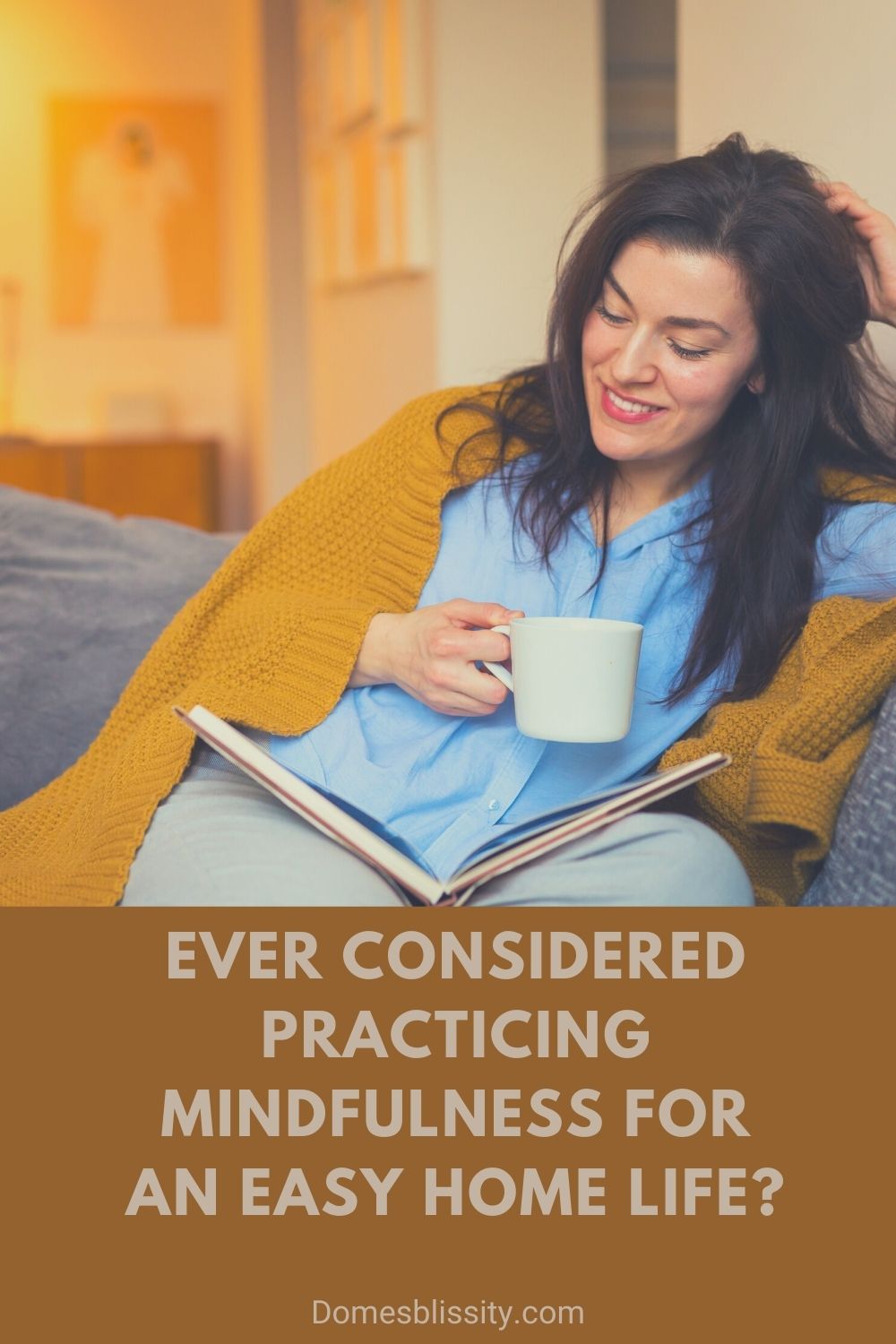
Have you ever considered mindfulness for your home life? What exactly is mindfulness and what do I mean by home life? Let me explain.

What is mindfulness?

Mindfulness is a practice that you can use to reduce stress and to relax the mind and body. Where do we experience a lot of stress? In the home.

By learning how to be more mindful we will learn to be more calm in our homes. When it comes to household chores, reducing clutter, worrying about money to pay for the bills and buying food, parenting, home maintenance etc we can become overwhelmed.

Add that onto other stressors we have in our already busy lives, practicing mindfulness will help us through these difficult times and allow thoughts to come more freely to us.

Allows us to take time out

It’s important it is to take time out in your day, at least a couple times a day.

Our grandmothers and their grandmothers probably had a method to their madness all those years ago with the tradition of morning and afternoon tea. Just like in the UK, I grew up with it (and still practice it to a certain extent).

Our colonial mothers were very hard workers. They didn’t have the mod cons that we enjoy today but they always stopped for morning and afternoon tea. Tradespeople always stop for smoko (Aussie slang for morning tea/lunch).

Why do we as mothers or women, either working in the home or outside of the home not take a quick 10 to 20 minutes out for ourselves? It doesn’t have to be a silver service, formal event. A nice hot cup of coffee or pot of tea in your favourite cup, a healthy snack, reading a book or magazine, watching a TV program or scrolling through FB or whatever it is you do to relax THEN pick up where you left off.

Whether that’s doing working, household chores, looking after your family or doing a craft. It’s important to have a complete break from what it is you are doing to have a reset. Whether it’s morning tea, afternoon tea or both, enjoy this break for yourself. (Don’t forget about the beauty treatments you can do in this time.)

Treat yourself like your best friend

Why are we so hard on ourselves? I’m sure a lot of us, especially those of us who are a bit older, were probably raised to not to be boastful or to gloat about what we can and can’t do.

This is especially true when it comes to giving ourselves advice. Imagine your very best friend going through a hard time. Whether that’s a lot on her plate with family and work, feeling like she’s getting nowhere and no help from anyone in the house or they feel run down and tired all the time.

What would you say to them? Would you comfort them and say it’s going to be okay? Would you offer them advice on what they could try to make things easier? Would you show compassion and empathy to them?

The same applies to YOU. Start treating yourself with the same compassion and kindness. Remember, as the “captain of the ship”, things will start to fall down around you if you’re not in the best head space.

Treat yourself kindly and look after yourself. Take breaks, pamper yourself and don’t allow small things to upset you. You have the power within you to not ‘sweat the small stuff’ and treat yourself well.

PIN FOR LATER

Wednesday, March 10, 2021

5 Ways To Unwind At The End Of The Day

After a long day, your body needs to rest and relax. Relaxation is essential as it plays a significant role in one’s well-being. Different relaxing techniques can be used so you can unwind after the end of a tiring day. People who are stressed and tense are more prone to get health problems than those who are calm and at ease with themselves.  

When people are stressed and worried, they spend less time with friends and family. They miss out on taking care of themselves and go about their days in a rush. When people don’t take the time to relax and recuperate, they become overburdened and stressed and in return it affect all areas of their lives, including their careers and relationships. 

How do you unwind after a very long stressful day doing chores or work? Here are some things you can do to relax and rest at home after a stressful day:  

1. Do Light Exercise 

Doing light exercises such as jogging, walking, or even yoga can help you loosen up your muscles and make you feel good. Regular workouts tend to lower your stress levels and help you cope with difficult situations.  

Having regular exercise helps you lower your blood pressure, cholesterol levels, diabetes risk, and general blood condition. Going for walks every evening or before going to bed at night or doing simple stretching exercise will help you lower your stress level.

2. Eat Something Healthy to Unwind at the End of the Day

Some foods and drinks are known to reduce stress levels. After a tiring day, you can choose to eat or drink the following: 

  • Wine: Drinking wine can be an excellent thing for people under a lot of stress. Wine is an excellent stress reliever as it’s full of antioxidants. It can help you relax and calm down your body. Antioxidants work to fight off free radicals that can cause damage to your body. There are different types of wine you can drink depending on your taste. You can find varieties online or through sites like usualwines.com.  
  • Dark Chocolate – Dark chocolate, unlike milk chocolate, has shown to contain significant amounts of theobromine, which is known to be an effective mood balancer and a potent antioxidant. 
  • Green Tea: Green tea contains high amounts of a compound called l-theanine, an amino acid known to reduce anxiety and manage stress levels. It also contains antioxidants that helps to keep your body free from damaging compounds.  
  • Salmon – Fishes like salmon contain Omega-3 fatty acids that are essential for brain health. These fatty acids also help the body handle stress.  

This food and drinks should be taken in moderation, even though they are considered healthier options than fast foods or processed food items.  

3. Practice Breathing Through Meditation 

Stress can affect your body as well as your breathing patterns. Learning proper breathing techniques helps you relax and release the tension in your body after having a stressful day. While meditation is one of the best ways to attain peace of mind and tranquility. Breathing exercise and meditation will help you unwind.

Mindfulness meditation is a necessary practice that you can quickly learn and master. This involves focusing your attention on a particular object, doing deep breathing exercise and letting go of any negative or irrelevant thoughts.

You can practice it by sitting or lying comfortably in a comfortable chair or on your bed and focusing your attention on your breathing. You can also get some extra help by getting guided meditation or guided meditation. 

A significant benefit of meditation is the ability to control your physical responses to stress—many people who meditate, reports to have fewer headaches, fewer back pains, and less tension and anxiety.

This practice will help you achieve the highest levels of inner awareness and spiritual maturity as well as controlling your physical responses to stress so you won’t feel too anxious and prevent overthinking things.  

4. Unwind by Lighting Scented Candles 

Aromatherapy has been around for centuries and has long been used to help people relax and unwind. Some of the most common results include: relieving stress, invigorating the body, promoting relaxation and meditation, improving memory and learning abilities, improving athletic performance, treating colds and flu. 

Scented candles are some of the best ways to relax after a tiring day. This also makes your space feel homey. There are several different calming scents like mint, lavender, citrus, and other herbs that you can choose from depending on the season, time of the day, or what will make you feel more relaxed.

If you have trouble falling asleep, especially at night, then purchasing aromatherapy candles were proven to be highly beneficial to you.

There are many aromatherapy benefits that provide an instant soothing effect upon inhalation, which can help relieve anxiety or tension. The result is often very immediate, and often people notice that the stress or pressure subsides immediately. 

5. Listening to Music You Like 

Listening to music have many health benefits. When you get access to music, it relaxes you and it can help them achieve a sense of peace and tranquility. It can also improve your physical health. There are studies that revealed that music could impact the way we think and process information. Even those who are suffering from some form of mental illness have responded positively to the calming music.  

Music can make you feel relaxed and at ease. It can put you into a state of meditation as well. It’ll make you want to listen to music repeatedly, as it relaxes you and makes you feel comfortable with yourself. 

Summary 

Rest is vital for your physical and mental health. One of the best ways to unwind at the end of the day is to do light exercises or practice breathing exercises through meditation. These exercises don’t only improve your overall physical health but your mental health as well.

For dinner, make sure you eat and drink stress-relieving foods like wine, green tea, chocolates, even salmon. You can also relax by using scented candles while listening to music to reduce your stress.  

Sunday, October 18, 2020

The Power Of Sleep: Why Sleep Is So Important

Having a good night’s sleep contributes significantly to your general health. It carries the same weight as eating healthy foods and physical exercise. To live a healthy life, you must appreciate the power of sleep to your well-being. Read further to find out why. 

The Power Of Sleep: Why Sleep Is So Important? Domesblissity.com
Image by Claudio_Scott from Pixabay

Poor Sleep Can Cause Higher Body Weight

A poor sleeping pattern is strongly believed to cause weight gain. People who have fewer hours than required tend to weigh more than people who have enough.

Studies have also revealed that children and adults who didn’t get enough are likely to be obese. Therefore, if you are trying to lose weight, consider getting enough rest.

Good Sleep Improves Concentration and Productivity

It plays a significant role in the proper functioning of the brain. Some of the functions of the brain affected include: cognition, performance, productivity, and concentration.

If you’re deprived of enough rest, all these functions will be negatively affected. Some studies have suggested that deprivation usually has the same effects on your brain as alcohol intoxication. On the other hand, when you have enough, it helps improve your problem-solving skills and memory performance.

Sufficient Sleep Enhances Athletic Performance

Good rest has been found to improve athletic performance. Studies on basketball players’ performance reveal that getting enough improved their speed, reaction time, accuracy, and general mental well-being.

For older women, sleeping fewer hours negatively affected the performance in exercise. It also leads to slower walking and greater difficulty in doing independent activities. 

Poor Sleep Could Lead To Depression

Poor quality slumber and other related disorders are associated with mental issues such as depression. Studies have revealed that the majority of people suffering from depression usually complain about poor sleep quality.

It is also believed that a lack of proper sleep can lead to an increased risk of suicidal tendencies. 

Sleep Boosts Your Immune System

Researchers suggest that your immune system finds it hard to function when you don’t get enough sleep. When you’re asleep, your immune system communicates with your brain about what is happening with your health.

This is known as the interactive brain-cytokine system. For the proper functioning of this system, you should get enough sleep. 

Lack of Sleep Affects Your Social Interactions

When you don’t get enough sleep, it reduces your ability to interact with others socially. Studies conducted in this area revealed that people with deprived sleep had difficulty recognizing facial expressions of anger and happiness.

According to researchers, the lack of enough sleep negatively affects a person’s ability to read critical social cues and process emotional data. 

Poor Sleeping Habits Can Lead To Greater Risks of Heart Disease and Stroke

The quality of slumber and its duration usually have an effect on several health risk factors. Heart disease and stroke are some of the chronic illnesses believed to be caused by poor rest.

According to the experts, individuals who don’t rest well are at a higher risk of developing heart disease or stroke. 

Bottom Line

It would help if you incorporated good rest into your healthy living routine. As you exercise and eat healthy foods, please make sure that you are getting enough rest.

Wednesday, August 7, 2019

How to have fun as an adult & the benefits

If you’re a parent, you’ll probably have said to your children, a million times things like “when I was a child…”, “we played outside until dark…”, “our parents never saw us…” etc etc. Am I right? What happened? As an adult or grown up, we’ve lost that ability to have fun or incorporate more play into our adult lives. Here’s a few ways how to have fun as an adult and the benefits for your health and your home.

How to have fun as an adult & the benefits Domesblissity.com

We’ve taken life too serious

I can remember as a teenager, I couldn’t wait until I grew up. Getting into bars, driving, doing my own grocery shop, living on my own. All those things that make us think what a grown up life looks like.

We neglect to think about or even know about the responsibilities of working for a living, new and broken relationships, money stress, moving house stress, marriage, kids of our own etc etc. Life has become way more serious than we would’ve ever expected as a teen.

When life gets real

Is it any wonder we’ve forgotten how to have fun. Sure, my early 20’s were fun, partying hard, looking for love and my career but there should’ve been more play to protect my mental health for what was to come.

There was the passing of my father in my late 20’s, depression, failed relationships etc in my early 30’s and then marriage, children and a divorce plus the passing of my mother in my 40’s. A lot for anyone to go through. I wonder if I’d incorporated a bit more fun into my life some of those life events might’ve been a bit easier to bare?

The benefits of play for adults for your health

Just like for children, play should be an important part of our lives. Here are some of the benefits.

How to have fun as an adult & the benefits Domesblissity.com

Relieves stress

Play can trigger the release of endorphins, the body’s natural feel-good chemicals. Endorphins promote an overall sense of well-being and can even temporarily relieve pain.

Improves brain function

Playing games, completing puzzles, or other fun activities that challenge the brain can help prevent memory problems and improve brain function. The social interaction of playing with family and friends can also help ward off stress and depression.

Stimulates the mind and boosts creativity

Children learn through play and this principle can apply to adults, as well. You’ll learn new tasks better when it’s fun and you’re in a relaxed and playful mood. Play can also stimulate your imagination, helping you adapt and solve problems.

It will help you with your energy levels and make you want to get stuck into those household chores and decluttering jobs with vigour especially if you’ve got the music blaring and you’re dancing while you’re doing it.

Improves relationships and interpersonal connections

Having fun with other adults can foster empathy, compassion, trust, and intimacy with others. Play doesn’t have to include a specific activity; it can also be a state of mind. Developing a playful nature can help you loosen up in stressful situations, break the ice with strangers, make new friends, and form new business relationships.

It helps with keeping calm if you’re driving, dealing with a difficult colleage or boss or going through tough times with your own family members.

Keep you feeling young and energetic

“We don’t stop playing because we grow old; we grow old because we stop playing.”

George Bernard Shaw

Play can boost your energy and vitality and even improve your resistance to disease, helping you function at your best.

How to have fun as an adult & the benefits Domesblissity.com

Since meeting my new husband back in 2014, we do nothing but. Life is fun. We goof around. He still skateboards and surfs in his 40’s. We love going to the beach, kicking water at each other. There’s no better way to cool down after a hard day at work on a hot summer’s day than a water fight, which we do regularly and we dance and joke around all the time.

My children, now teenagers, might look at us a bit strangely but hopefully they’ll take away the importance of having fun well into their adult years.

Ways to have fun as an adult

There are so many ways to have fun as an adult and you don’t have to look far than your own children to learn from them. Here’s a few other things to try.

  • play a team sport
  • join a games group at your local library or club
  • play your favourite sport in the backyard or at your local park
  • play hide and seek with your partner and children (we do this all the time)
  • say silly things in a silly voice
  • make up your own language of silly words (we do this and laugh about it all the time)
  • host a themed party like fancy dress or come as your favourite super hero
  • invest in a table tennis table or other table game
  • play board games or card games
  • colour in
  • do jigsaw puzzles or play with Lego (everyone’s doing it)
  • buy a $2 bubble blower and blow bubbles
  • dance
  • take dance classes
  • learn a musical instrument
  • start a band for fun
  • join a drama or theatre group
  • volunteer at the school and get dressed up on theme days (yes, I went dressed as Darth Vader when on duty at the school canteen one day and my young son was not impressed at all but I had fun)
  • play charades
  • play Twister
  • run a bubble bath and have a good soak
  • sing out loud to your favourite songs with your headphones in
  • take up a long forgotten or never tried craft
  • learn a new sport and take classes
  • get on the floor and play with your children, taking their lead (they have the best imaginations)
  • introduce fun at work by playing cards or going to the nearest park in your break to shoot a few hoops (talk to your employer about introducing other fun activities to do on your break)
  • get a pet and interact with them
  • try your kid’s video games (they’ll love it)
  • learn magic tricks
  • try out crazy Snapchat filters on your phone
  • download a Word game app or similar on your phone
  • take goofy selfies instead of trying to look 100% perfect
  • keep telling stories of your childhood to your children to keep the memories alive
  • have a tickle fight
  • tell each other jokes
  • have a comedy night
  • watch a crazy funny movie or stand up comedian DVD
  • watch those funniest home video type shows
  • watch funny videos on YouTube
  • have a crazy hair day
  • take a bike ride
  • go roller skating ice skating
  • try ten pin bowling
  • go trampolining
  • learn to ride a skateboard or try surfing

Whatever it is that gives you a good belly laugh until it hurts or brings a smile to your face, do it and do it regularly. You are never too old to have fun. Incorporate it regularly into your day and week. You’ll feel so much better for it.

How to have fun as an adult & the benefits

Wednesday, May 15, 2019

8 steps to take when life is crazy at home

You don’t need to tell me you that at any time in your day, all those well laid plans get can thrown out the window and life can get a bit crazy. We’re all so busy these days and it seems to happen more often than not. Here are 8 steps to take when life is crazy at home.

8 steps to take when life is crazy at home
The Ultimate Guide to Balancing Motherhood & Your Home by Domesblissity.com

Go with the flow

8 steps to take when life is crazy at home Domesblissity.com

The best thing to do is forget about what else you’ve got to do and just go with the flow.

Imagine you’re in a boat on wild seas. Know that it will end. Just ride it out.

There is always an end. Just know that it will pass and you’ll have time to refocus on what needs doing. Focus on the most important and urgent thing at hand. The biggest priority is of course the health and safety of yourself or your family members. Focus on that first.

Delegate

If you’re lucky enough to have a partner or older family members at home, delegate other things that need doing.

If you’ve got to run to the hospital or go to an appointment, ask your partner to start dinner, pick up the children from school or their dance class.

Have a village of people around you to call on when you need to. I was lucky when I was a single parent that I had a lot of other women in my circle of friends who would take one child while the other was sick or pick them up from school, which I’m eternally grateful. Don’t be too proud to ask for help. You know you can always offer to return the favour.

Stop and breathe

Realise that this is just a moment and it will end. You’re going to get through this so stop and breathe.

Deep breathing helps you to relax nearly instantly. Even if takes 3 to 5 deep breaths, just stop for that minute or so and you’ll be able to focus more on what needs to be done. Don’t panic.

Practice regular deep breathing techniques and other exercises that will help you be more calm and at ease when these moments do arise.

Once the dust settles

Once it’s all over, take the time to journal about what happened. Write down every detail of what happened. Not only to diarise the event but reaffirm that you can get through anything. That there is always and end to the chaos.

8 steps to take when life is crazy at home Domesblissity.com

You’ll also be able to look back at these moments and have a little chuckle to yourself about just how chaotic life can be sometimes but you’ll always know that you can get through it. Use the time to enjoy a cup of tea and take out a couple minutes for yourself.

Plan, plan, plan

It’s good to have plans in place but we know that children are so unpredictable. The best way to plan is to have simple, nonrestrictive plans in place so you feel like you’re on top of most of what needs to be done in your day.

Have a simple morning routine of your most basic household chores that take no longer than 15 to 30 minutes.

Clean as you go (CAYG). Put things back after you’ve used them. Declutter and organise as you go.

Live in the moment

8 steps to take when life is crazy at home Domesblissity.com

Be like a dog and live in the moment. My family are huge dog lovers and when we watch our pet dog Willy, we often laugh at how he has such a wonderful life. He never wants for anything, never plans anything too far in advance (except dinner time) and goes with the flow.

Don’t look too far into the future. Sure, have your appointments and routines. Catch up with friends and visit playgroups and take your kids to after school activities but live more in the moment.

There’s always room for improvement

After one of these moments of chaos occur in your home, besides journalling, it’s always good to review how you might’ve been able to handle it differently.

Look at what worked like older children helping with dinner prep, calling on a friend to help with after school pickup or deciding to have a really easy meal for dinner instead of what was planned. (No one ever died from having a sandwich for dinner.)

Make a mental note or journal about it so you’re better prepared next time.

Take regular time out for self care

8 steps to take when life is crazy at home Domesblissity.com

And this is the biggest takeaway from this post! Always, always, always take regular time out for self care. You could be in the middle of a crisis and you could be reminding yourself that tomorrow is your day and you’ll have plenty of time for rest and relaxation.

Even if you don’t have enough time or resources with young children at home to take a whole day out, take out 15 minutes or half an hour here and there to put your feet up and do what you want to do. Even if it’s something as simple as having a hot cup of tea and reading a magazine.

This helps you recover and be ready to tackle anything life throws at your in the future.

Always remember that these things happen to anyone. You’re not alone. You’ve shown that you’ve got through it in the past. You can do it again.

8 steps to take when life is crazy at home

8 Steps to Take When Life is Crazy at Home - Domesblissity.com

Friday, March 29, 2019

7 Benefits of Gratitude for an Organised Home Life

So you want to become more organised in your life, both your personal and home life. How can showing gratitude help you become more organised in your home? Let me explain these 7 benefits of gratitude for an organised home life can transform your home from a clutter mess to a more peaceful, organised, calm home.

7 Benefits of Gratitude for an Organised Home Life Domesblissity.com

There is scientific evidence that showing gratitude daily has such a profound effect on all areas of your life. One benefit, in particular, I want to share with you is how it can help you become more organised in your home.

Rewires the brain

Showing gratitude on a daily basis rewires the brain and changes your thoughts from being negative to more positive. It helps you to relax, become more resilient, less envious and creates happier memories.

Studies show that expressing gratitude consistently, over an extended period of time, will start to change your thought process to automatically look for the good in every situation instead of looking at the negative.

Increases productivity

I know what it’s like to lose all motivation. This was evident to me when I my mother passed away back in 2012, just after my marriage ended and I suffered depression. I lacked all motivation to keep my home tidy and organised.

I didn’t know where to start to get my home into order again. I was overwhelmed.

After seeking professional help, I soon started a gratitude journal and, nearly instantaneously, I became motivated to get my house into order. My productivity increased naturally and I was motivated to do more.

Improves relationships

7 Benefits of Gratitude for an Organised Home Life Domesblissity.com

One of the greatest things I’ve found that helps me to become more organised by keeping a gratitude journal is the effect it has had on the relationships in my family.

As any parent would know, dealing with babies, toddlers, school aged children or teenagers can be challenging. Let alone any flow on effect that might have with your partner.

Focusing on what you’re grateful for in your life, will create a calmer home environment. Setting a good example will show your children that you can remain calm when there are times of conflict. They will want to contribute to doing their part to maintain that sense of calmness and help with chores and keeping your home organised.

Increases self esteem

By writing in a gratitude journal daily your self esteem will increase. You will feel better about yourself and the home you live in. You will want to create a peaceful and calm home environment and make changes to keeping it tidy.

You will discover that you’re worth it. That you’re worth having a nice, tidy home. One that you can find things easily. One that is orderly and everything is in it’s place.

It doesn’t have to be a show home but a home you can be proud of. You will also find that you’ll want to take better care of your health, your finances and so many other areas of your life.

You’ll have more energy

Expressing gratitude will give you more energy. You’ll have the energy to want to clean your home. You’ll want to keep on top of things. You’ll pack things away before they become a cluttered mess.

You’ll have more energy to spend time playing with your children. You’ll have more energy to want to cook a wholesome healthy meal for your family instead of buying take out.

It will increase your energy on so many levels. You’ll have a new lease on life.

You’ll be less envious

One of the worst things about social media and the internet today is that it creates envy in people. That your life, in comparison to what you see on the internet, is somehow less perfect or not the kind of life you want to live at all.

By showing gratitude daily for what you do have instead of what you don’t you’ll be happy with your own life and what you have. You won’t want to seek external, material possessions to make you feel better. You’ll naturally feel good about your own circumstances.

Helps you become optimistic

If you focus on the negatives in your life, it doesn’t give you much hope for the future. Practicing gratitude will help you believe that you do in fact have a wonderful life. That your future is bright and there is so much to look forward to.

It will naturally bring more wonder, more enjoyment, more peace and calm and more hope into your life.

Because you’ll have more energy, better health, improved relationships, better financial management and ultimately a more organised home, you’ll be looking forward to more of the same.

Your outlook on life will improve immensely and you’ll be living your dream life.

7 Benefits of Gratitude for an Organised Home Life Domesblissity.com #organize #organised #organization #organise #organised #organisation

Sunday, October 7, 2018

The Pros and Cons of Buying a Tablet for Your Child

It’s reasonable for parents to be a bit hesitant to expose their children to technology. However, in today’s day and age, modern technology has become increasingly involved in our daily lives. Electronic devices and gadgets are available with a variety of uses for different age groups at different price ranges. In fact, children enjoy playing with both traditional toys and gadgets. Here are some pros and cons of buying a tablet for your child.

The Pros and Cons of Buying a Tablet for Your Child www.domesblissity.com

Image Source

If you’re considering getting a gift for your child, a tablet might actually be an interesting choice. The thing is, would a tablet help with your child’s development? What are the pros and cons of buying a tablet for your child?

Pros: Tablets Can Provide an Interactive Environment for Children

Portable and flexible to use

Using a tablet allows you to customize and tailor the learning experience of your child. You can download different apps based on the educational requirements and age of your child. Tablets can provide hours upon hours of fun and learning for your child on the go. Not only that, but they are also monitorable, allowing you to choose the kinds of apps you want your child to use and be exposed to. A tablet under $300 can already be loaded with a lot of activities fit for your child.

Increase enjoyment of learning

Tablets as learning platforms can be extremely fun and engaging. The touchscreen feature and the colorful graphics make learning fun and easy, especially when analysis and problem-solving activities are done through interactive games.

Improve their language skills

Tablets can also help improve the language skills of a child. How? Children need to go through a number of pages before they can play and learn with the tablet. The menus, rules, and instructions of the game or activity they are doing aid your child in letter identification, comprehension, and vocabulary expansion in a seamless manner without having to force these concepts with them.

Cons: Tablets Can Foster Dependence on Technology

Image Source

Might be addictive and can discourage actual study

Unfortunately, tablets may be a cause of inconvenience for parents especially when your child suddenly starts growing too fond of them. Tablets can be a source of addiction and dependence on children, especially if they see these as their only way of “having fun.”

Not as good as actually interacting with other people

Another disadvantage of tablets is that they may discourage children from interacting with others. This can be bad, as human interactions actually create emotional connections and help improve their cognitive abilities. Using tablets too much can make your child miss out on bonding with you and other children.

May discourage physical activities

When you rely on tablets for most of your child’s learning, this might discourage them from doing any physical activity. This can be extremely detrimental because physical activity plays a huge part in your child’s physical development. Not having enough physical activity will increase your child’s risk of obesity and may even weaken their immune system, making them susceptible to diseases.

Discourage the use of certain skills

Although the use of tablets can enhance your child’s creativity, imagination, and problem-solving skills, it can only do so to some extent. Advanced communication, critical thinking, and other skills can be learned and developed through physical interaction with other children and adults and by doing physical activities.


The Bottom Line: Tablets to Help Foster Growth When Used Properly

Getting your child a tablet may or may not be the cause of a lot of regrets of parents in the long run. Today’s young generation is particularly tricky to handle. Tablets as a medium of teaching are increasingly becoming common in this era, and it is undeniable that exposing your child to technology offers many advantages. Knowing whether or not a tablet can be good for your children is a matter of judgment and control on the part of the parents. A tablet is only a tool – therefore, how you let your child use it can determine whether it can be helpful or not in the long run.


Thursday, February 1, 2018

6 ways to love your home just the way it is

But why? “I don’t like my home at all”, I hear people say. “It’s too [small/big/tired/not enough storage] etc etc”. So what can you do about it? Go into debt for a larger home? Work two jobs to pay for the mortgage (and the extra daycare fees you’ll now have to pay.) If you can, try these 6 ways to love your home, just the way it is.

6 ways to love you home just the way it is www.domesblissity.com

Think about the structure of the house

I don’t mean about the architecture or anything too technical. I’m talking about the roof, the walls and the floors.

The roof protects you and your family from the rain, heat and/or snow. It provides protection from the elements. Imagine yourself without it.

Same goes for the walls. It provides rooms for family members to sleep in. It provides a kitchen area to prepare food to nourish your family. It provides a warm cosy environment to snuggle up together and interact as a family. The floors protect your feet from the heat or the cold.

Think about how those four walls, roof and floors are protecting you and what the alternative might be if you didn’t have them.

Be grateful

We make a decision to buy or rent the dwelling that we reside in. Whether that’s because it’s in our budget or it could be the location to your work or your family’s schools and activities.

To be grateful for that opportunity, that is denied to many, is a good way to remember just how lucky you are. Many people have life’s misfortunes thrown at them and their only option is to pack up what they can and most often, become homeless.

Live within your means and be grateful for what you have. If you choose to upgrade for whatever reason, that’s fine but be sure that you can afford it, in particular, in case an emergency ever arose.

When my (now ex) husband left, I was left in our home with 2 children and a mortgage with all the bills. There was no child support organised by then and I didn’t have a clue about what welfare was available to me. All that sort of thing takes time but tell that to the bank who’s demanding their mortgage payment.

Of course, you can get your payments deferred for a couple weeks but never live beyond your means. You just never know what’s around the corner. Sickness could strike the main ‘bread winner’, relationships break down or anything for that matter.

“Stuff” doesn’t make the house a home

Don’t think that by buying new stuff and bringing it into the house will make you love it more. All it will do is bring more clutter in.

Shop from the decor you already have in your home to redecorate a space. Use children’s artwork to decorate a wall or a family photo. Cut fresh greenery from the garden and put in a vase. Make your own rugs, cushions or other decor items that your family will cherish and you’ll feel proud of your efforts in creating that special look that is individual and your own.

If you are looking at changing the decor, look at secondhand stores or online garage sales for what you’re looking for. I got nearly all of my living room and dining area furniture for FREE!  I’m not a charity case but people were updating their own homes so I said I’d take it. It’s perfectly functional and suits my home. Freecycle.org is a great place to look out for free furniture if you want to update that tired lounge or you’re moving your baby from a cot to a bed.

As long as it’s functional and creates a sense of comfort and coziness, save your money for experiences not stuff.

Focus on the good

If I dwelled on it too much, I probably wouldn’t want to live in my current home because of the bad memories of my failed marriage. I don’t focus on that. I focus on how my house is providing shelter for my family, who in fact, first came here from the hospital when they were born.

I have two pet dogs and two pet Cockateils and they’re very much members of our family too. They’ve been here as long as I have and it’s very much their home as much as it is mine. They’ve given me so much unconditional love.

I’ve seen the children take their first steps in this house. It’s where they played for hours in the backyard. It’s where I’ve lovingly prepared food for them, burped them, cuddled them, sang songs and read to them. By focusing on who is in the home instead of what, you’ll find that you’ll be able to remember the good times you’ve had in your home.

It’s your home, not anyone else’s

Don’t live up to anyone else’s expectations. If people want to judge your decor, your furniture or your style, let them. They don’t live there, you do. I take great pride in my home but sometimes things come up and you haven’t had time to do the dishes or sweep the floor.

If anyone wants to judge me for not getting that done on their arrival, that’s their prerogative to do so. I don’t have any say in what or how they think. No one knows what went on an hour or two before their arrival. You don’t have to explain either. As long as you’re welcoming and inviting, be cordial and a good host when your guests arrive, that’s all you need to worry about. Those people are there to see you not your home.

Create peace in your home

With those two children of mine, plus the dogs and the birds, sometimes things are a little crazy. There’s the rush to get the children ready for school. The rush when they get home. And it’s been like that since they’ve been born.

We have rules in the home where there’s no yelling (even though it does happen and that’s normal). If you can’t say what you want in a calm voice, then don’t say it at all. We like to laugh and joke. We love cuddles on the couch while watching TV and have religiously had ‘movie night’ every Saturday night since the children were about 2 years old. They love it.

By creating a peacful, harmonious atmosphere in your home, everyone will learn to love it and it will be their ‘safe’ place to be.

Who doesn’t love going away for a holiday? I know I do and when my husband proposed to me back in 2015, we enjoyed a lovely 4 day getaway with all the creature comforts in a 5 star resort. There were duck down feather pillows, room service, 5 star buffet breakfast, beautiful gardens and swimming pools surrounding the resort. BUT, I couldn’t wait to get home. I couldn’t wait to get home to see the children, the pets, feel the comfort of my own bed and my own four walls.

Even if you’ve ever been out of the country. There’s no other feeling like coming home.

If you’ve got the room, create peaceful zones where you can get away from it all even if it’s just to enjoy a cup of tea or read a book. It could be as simple as a couple extra cushions on the bed, a nice comfy chair in the garden or a sun lounge on the verandah. Make it available for everyone in the home to enjoy as a way of escaping within the 4 walls of the home.

Heighten the senses

By cultivating your five senses, that is sight, smell, sound, touch and taste, you’ll naturally increase your potential for enjoying life.

Sight

Hang family member’s artwork or photographs on the wall. It will help you remember the time when they drew that picture or the photo was taken.

Keep your home clean and tidy, to a level you can manage, so it is welcoming for the whole family. Keep on top of clutter and find a home for everything.

Smell

Nothing creates better memories than the smell of a home cooked meal or home baking. You all know how lovely it is to smell bread baking at the bakery? Cook from scratch as much as you can.

Enjoy natural scents and smells, not commercial home scents by burning or diffusing essential oils. Fresh flowers also provide a natural scent to heighten your sense of smell.

Sound

Get the family used to listening to music. Dance if you want to. Meditate or relax. Get away from electronics and the television and listen to each talk. Sticking with everyone eating their meals at the dinner table and talking about your day or what you’re grateful for is a great way to encourage the sound of laughter and love in your home.

Have regular family movie nights or game nights. Get everyone involved in the set up and pack away. They’ll be memories your family will hold dear for a long time.

Touch

Use natural fabrics in the home for soft furnishings. Nothing invokes comfort like the feel of a warm rug or cosy quilt on a cold night. The human touch is so comforting as well so make time for plenty of hugs and cuddles with family members. This will create wonderful memories for your children that they will remember their childhood as being a comfortable, safe place to be and they were loved and always comforted when needed.

If you’re lucky enough to have a backyard, take your shoes off and walk on the grass. Lie on the grass. Pull out a few weeds and plant some plants in the garden. Care for them and watch them grow. The outside of your home is just as important as the inside.

Taste

Just like I mentioned above in smell, nothing heightens the sense of taste more than the taste of a home cooked meal. We all have wonderful memories of our favourite family meals from our childhood.

Find out your family’s favourite meals and make them often. Even into our twenties, my sisters and I still loved going to Mum and Dad’s on a Sunday night for a roast dinner. It brought us together at a time when, as adults ourselves, we were always busy.

Enjoy the home you’re in. Be happy and grateful for what you have. If you want bigger, get it but be aware of living beyond your means. Really, at the end of the day, I would be happy no matter where I lived as long as I was living with the people I do now.


6 ways to love your home just the way it is www.domesblissity.com