Showing posts with label mold. Show all posts

Saturday, May 25, 2019

How Can A Large Room Humidifier Help Your Home

If you live in a four-seasoned country, you know how dry the air can get during the cold, winter months. As for those of you coming from a tropical country, when it gets too hot, the rooms in your house may have your air conditioners on full blast. In these times, you know how dry the air in the room can be, which can be harmful, especially for family members with asthma and respiratory illnesses. So, how can a large room humidifier help your home?

How can a large room humidifier help your home - Domesblissity.com

With technology, this problem is answered through room humidifiers.Particularly for bigger rooms and houses, it is through a large roomhumidifier. I was skeptical about this, too, but eventually, I bought one afterreading these reviews.To convince you even more, here’s a list of benefits as to how a humidifier isadvantageous to your home:

Large room humidifiers release moisture in the air

Ever remember that sick and icky feeling you experienceafter being on an airplane? Your face is suddenly so dry, your lips arechapped, you might start sneezing, and you generally tend to feeluncomfortable. That’s because of the temperature that, in turn, has the effectof decreasing moisture in the air. The same situation can happen in your homesduring frigid temperatures. A large room humidifier releases moisture in theair, dehumidifying and making the air circulationaround the house better and more balanced.

Large room humidifiers cut back the risk of mold and mildew from growing in your room

Did you know that no matter how hard you clean your houseevery day, simply because of the dry air circulating, there is still the possibilityof mold and mildew forming? Yes, you heard that right. Not only can molds harmyour health, but they can also cause damage to your home.

How can a large room humidifier help your home - Domesblissity.com

Now you may ask, how do molds form if my house is squeakyclean? When the air in your home is too humid, this alone encourages the growthof these microorganisms. As for your house, how do mold and mildew damage it?If you’ve got lots of wood in your design, your cupboards, your bed, andwherever, the build-up of mildew can easily damage wood as well. Therefore, youneed to balance the humid air with the help of a humidifier. I’m glad I did formy home!

Large room humidifiers allow for dust and other allergens to fall out of the air

As I have already mentioned earlier, just because your housemay look physically clean doesn’t mean that it is not without dust andallergens. The moment your humidifier is switched on, as it balances out thecirculation of air around your house, it kicks dust and allergens out of theair. With this, colds and other viruses brought about by these microorganismscan no longer “swim” or “float” enough to infect you! Therefore, you are makingyour home a cleaner, better, and safer haven for your family, away from thepollution and negative air surrounding the outside world.

Large room humidifiers make your home a comfortable place to be in, particularly in the freezing winter cold

Take the time to walk your way back to the winter months,and remember how your health was. One of the most common illnesses during thistime is nasal congestion. In warmer countries, the same also holds true forair-conditioned rooms and houses. When you are sleeping in these conditions,you are sure to wake up to a congested feeling in the morning. The dry air cancause mucus to thicken, which results in clogged nasal areas.

How was I able to combat this at home? Through our largeroom humidifiers! After installing this, everyone at home seemed to breathe alot better, and I knew by then that I was successful in making my home morecomfortable to be in.

Large room humidifiers also reduce the chances of colds from spreading around the house

Flu, the cold, a stuffy nose—you know the drill. When theseaffect one member of the family, it is almost a hundred percent sure thateveryone else will eventually have it as well. Health experts suggest that the humidity of your home should be around 30 to 50 percentto be considered healthy, and I knew that I had to comply with this. Homes witha humidity level of 40 percent showed lesser instances of these viralinfections from spreading around the house.

Remember, in your home, you are sharing pillows, couches,glasses, and anything else with the sick family member. If you want to reducethe chances of spreading and catching these viral infections, purchasing alarge room humidifier is the key.

Conclusion

Apart from maintaining a physically clean home, I knew I had to do more in my house to keep my family healthy. The house, after all, is the foundation of good health, and I didn’t want people coming to my house to feel sick later. After hearing about the benefits of humidifiers, I finally made my purchase, and since then, I haven’t looked back. Definitely no regrets with my purchase for my home.

Saturday, November 10, 2018

The Consequences of Poor Plumbing

Good plumbing is among one of the most important aspects of home care. A good plumbing system ensures you have an excellent and potable water system in your home. Fortunately, plumbing services are now made more accessible thanks to the Internet. Websites like https://lonestarplumbing.ca/ by Lone Star Plumbing and others make it easy for homeowners to get excellent service at their fingertips.

The consequences of poor plumbing www.domesblissity.com

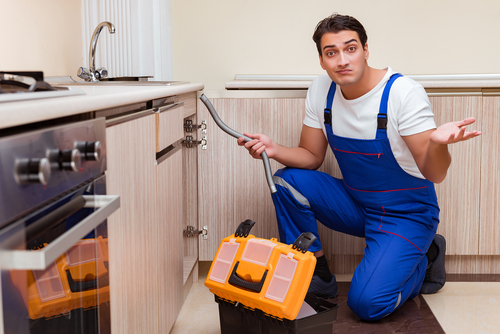
Just like any other job, if plumbing is done wrong, it will produce undesirable results. Poor plumbing will not only affect your house aesthetically but can also put your family’s health in danger. If you fail to conduct proper research and you’re unable to find a suitable plumber to handle the problem, this may end up costing you even more money, as you will have to spend more to deal with the consequences of a faulty plumbing job.

That said, it would be a good idea to ask friends or family for referrals, or to browse the internet to find a prospective plumber near you. Look for ones with reliable websites, like https://www.mrrooter.com/dallas/ and others, so you can get essential information regarding their services and rates. It wouldn’t be ideal to hire a plumber when you’re uncertain about the quality of their work.

So choose your plumber wisely, as facing the following consequences can be a nightmare if not addressed immediately.

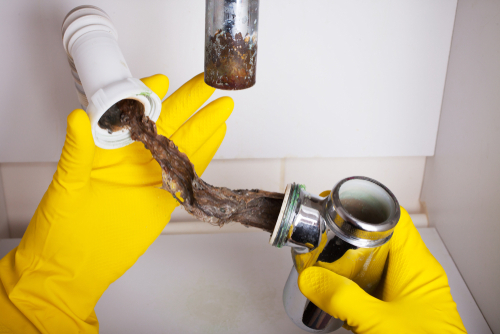
Clogged Drains

This is among the most visible sign of lousy plumbing. Of course, it can mean other things, but if you notice that your drains are clogged just after a few days of a plumbing job, then there may be something more to it.

The consequences of poor plumbing www.domesblissity.com

Clogged drains are not only nasty to look at, but they can also be toxic. Addressing this matter as soon as it arises is crucial for a healthy home. The first step in solving this problem is to know the cause and removing it immediately. Here are the things that may be clogging your drains:

  • Hair – Hair in drains is easy to remove, but if not addressed properly, it can cause persistent problems.
  • Plants – Plant debris from falling leaves can also clog outside drains.
  • Grease – Over time, your kitchen sink may have grease and fat buildup that can clog the drain.
  • Foreign objects – Toys, soap bars, and sanitary products are dropped accidentally on toilets, which can create clogging.

Problems with Fixtures

Aside from clogged drains, a bad plumbing job can also result in many problems with your fixtures. Some of the issues are as follows:

Low water pressure – This problem can be caused by a lot of things, but if you’ve recently had a plumbing job, this could be a problem with the regulator. Adjust it accordingly to increase water pressure or have it checked by the plumber who installed it.

Water leaks – A poorly installed fixture will most likely have leaks. Contact your plumber to fix this problem before it gets worse.

More than proper installation, be sure to buy quality fixtures as this saves you more money on future repairs or replacement.

Contaminated water

A plumbing system consists of two kinds of pipes, namely, the sewage pipes and the fresh water pipes. The last thing you want is for the water flowing from one of these pipes to enter the other.

Water contamination can pose dangerous health risks if not addressed immediately. If your water is contaminated, you or your family members may end up suffering from immediate issues, such as diarrhea, dehydration, eye and skin irritation, stomach pains, and intestinal cramps. Moreover, depending on the level of water contamination, you may develop serious long-term effects, such as poisoning and infections.

Water contamination can pose dangerous health risks if not addressed immediately. There are water contaminants that may not be visible to the naked eye. Be mindful of the color and smell of the water that comes out of your faucets after plumbing repairs and installations

Mold

This is among the worst things that can happen from poor plumbing. Small plumbing leaks can cause mold growth in your walls without you even noticing it.

Molds are a health risk. They can grow on your walls, on your pipes, and even on household items. When inhaled, molds can result in respiratory problems and allergic reactions. If you see an increased presence of mold in one area of your house, this may be a result of water leaks.

Aside from calling your plumber to fix the leak that’s causing mold growth, remove molds as they appear using the following house items:

  • Baking soda – Put some baking soda and water in a sprayer bottle and use it on your walls. Scrub the walls and rinse with water.
  • Vinegar – The high acidity content of vinegar effectively kills molds. Pour vinegar on moldy fixtures and drains to clean them.
  • Bleach – Use gloves when handling bleach solution. Spray bleach on moldy areas and let it sit for at least 5 minutes before rinsing with clean water.
  • Hydrogen peroxide – A quick visit to your medicine cabinet will help you clean off any mold. Pour hydrogen peroxide down your drain to clean residue buildup.

Flooding

In some cases, small plumbing leaks can quickly become a major issue. For example, water leaks from burst pipes can result in flooding and cause damage to your floors, furniture, walls, and other valuable possessions.

Unfortunately, dealing with water damage can be challenging, especially if you have no idea where to start. It can also be costly, as you may have to replace all items damaged by the flood, as well as repair the structural integrity of your property.

Hence, to prevent possible flooding and water damage, you’ll need the assistance of a plumbing professional to assess and fix pipe problems right away.

Conclusion

 Nowadays, it can be challenging to find a professional you can trust mostly because there are just so many choices available out there. Find a professional that has a proven track record and someone who offers after-sales services in case something needs repair. The plumbing system in your home is like the blood vessels in your body; they also need proper care and maintenance. Only choose a trustworthy and seasoned plumber to take care of your home.

Wednesday, August 29, 2018

Mold Expert Safety 101: Mold Inspection and Removal Tips

Mold is, in hindsight, harmless – at least from a particular point of view. However, it’s important to realize that mold can indeed be harmful for your home if not dealt with properly. And if left alone to its devices, mold can actually be extremely detrimental to your home’s overall safety and integrity. If you’ve decided to take a stand against mold, it’s important to know just how hazardous it is, how to find it, and how to potentially deal with it. Push comes to shove, you may also need to learn just how to ask services for aid in order to remove your pesky mold problem, and avoid further damage to the rest of your household.

Mold Expert Safety 101: Mold Inspection and Removal Tips www.domesblissity.com

It might help to get to know more about mold before you go about inspecting it. Firstly, mold can be found everywhere, because it can be found even on many surfaces and in the air. You’re likely going to find mold where there’s moisture, so dealing with mold is really all about management than removing it. Perhaps more important to learn about mold is how its presence can affect your health, especially when you’re exposed to moldy and damp environments.

  • Those sensitive to mold tend to suffer skin irritation, eye irritation, wheezing or coughing, throat irritation, and nasal stiffness – which can become severe if you’re allergic to mold.
  • If you possess obstructive lung disease, chronic lung illness, and immune disease may also get serious lung infections should you become exposed to mold.
  • If you’re exposed to mold indoors, you may also encounter wheezing, coughing, and upper respiratory tract symptoms.

Mold Safety: Inspection, Removal Tips For Your Needs

Mold Expert Safety 101: Mold Inspection and Removal Tips www.domesblissity.com

With the above in mind, it can be considered a bit inconvenient just to see mold in places at home you know is crucial for your household’s utilities and stability. However, seeing these first hand may really be a sign that you ought to have these checked out by services such as Precision Mold Removal. Here are other mold inspection and removal tips that can greatly aid you in assessing the potential damage molds can do to your home as well.

How Does Mold Testing Work?

If you’ve ever wondered just how mold testings works, it’s essentially just a way to determine if you have a mold problem at home – especially if there are hidden mold areas. However, not all kinds of mold testing are the same, and as such it’s important to know what kind you should do and what it does to benefit your tests:

  • Professional Mold Testing is done by qualified professionals, as they are trained in the collection and analysis of mold samples. Being trained to do this often yields the most accurate results, given the equipment they use are more professional in nature.
  • Mold Test Kits can be used by the general public, as they can be purchased and are less expensive than professional tests. These test kits are used to collect samples that will be sent to testing laboratories.
  • Multiple Mold Tests allow you to have a much more accurate representation of how mold grows and interacts in your home. This allows you to determine the amount of spores over time, and which areas they grow.

What Are Types Of Mold Tests?

Now that you know the kinds of testing you can do to your home, there are actually various kinds of mold tests that can be done to get various kinds of data for your benefit.

  • Air testing allows professionals to get a concentration of spores in your household air. These are later examined in laboratories. Air sampling can help you determine if you have a mold problem even if there are no visible signs of mold growth.
  • Surface testing takes samples from surfaces of the household to find just how much spores and mold are deposited around the house. These samples are often collected by tape lifting and swabbing. Results can vary, though, as mold spores are spread evenly at home, and can’t exactly determine the concentration of spores in the air.
  • Bulk testing means taking various samples from various materials from the household, which can then help you better determine where the concentration of mold in your home is located.

How Do You Remove Mold Naturally?

If you haven’t been able to contact a professional immediately, but at the same time want to remedy your mold situation, there are in fact a few natural things you can do in order to eliminate mold.

  • Bleach can kill almost any species of indoor mold, though this works best with counter tops, glass, bathtubs, and tiles. Bleach doesn’t work when the mold is in porous materials, and as such can’t be used on drywall and wood.
  • Borax can also help kill mold, and as a natural cleaning product doesn’t emit dangerous fumes and chemicals. It’s commonly used to clean drains and toilets, and can be a fungicide, herbicide, and insecticide. You can mix borax and water for a solution that can remove and kill mold.
  • Vinegar is mildly acidic, and as such can kill as much as 82-percent of mold species. Not only that, but it’s natural as well, and as a non-toxic material doesn’t give off dangerous fumes. You can simply spray vinegar on places where there is mold.
  • Ammonia can kill mold on surfaces that aren’t porous such as tiles, glass, and counter tops but aren’t as effective when dealing with mold in drywall or wood. Ammonia can be toxic, though, especially the gas it produces so be careful while using this.

The Bottom line: Molds Can Be Serious Business

Mold can sometimes get challenging to deal with, especially if you’re not aware of how it works, how to look for it, and how to remove it. With the tips above, you hopefully can get a better understanding on how mold functions and how you can deal with them appropriately. Remember, while you yourself can find ways to deal with mold, it may be much more beneficial for your household if you have a professional service remove the mold for you. Nevertheless, having a foundational understanding on how molds work can put you one step ahead in terms of household management and making sure everything in your home is up to par.