Showing posts with label removal. Show all posts

Monday, July 27, 2020

5 Key Things To Consider Before Cutting Down A Tree

Planting trees on your property can provide countless benefits. Having trees can boost your property value and enable your home to stand out from the neighborhood. Trees also provide shade that can be utilized as another living area and encourage kids to play outdoors. Here are 5 key things to consider before cutting down a tree.
5 Key Things To Consider Before Cutting Down A Tree Domesblissity.com

Trees can do wonders for you, your family, and property, but only if they’re well-maintained. Trees, when left alone to grow too large, can cause damage to nearby properties and injuries to family members.

Once you notice that the trees in your property have already become potential hazards to your family, you may decide to cut them down to avoid accidents. Listed below are the things you should consider before cutting down a tree:

Look Out For Any Nearby Structures

Trees can look good on any property, but planting them too close to your home or garage can be dangerous.

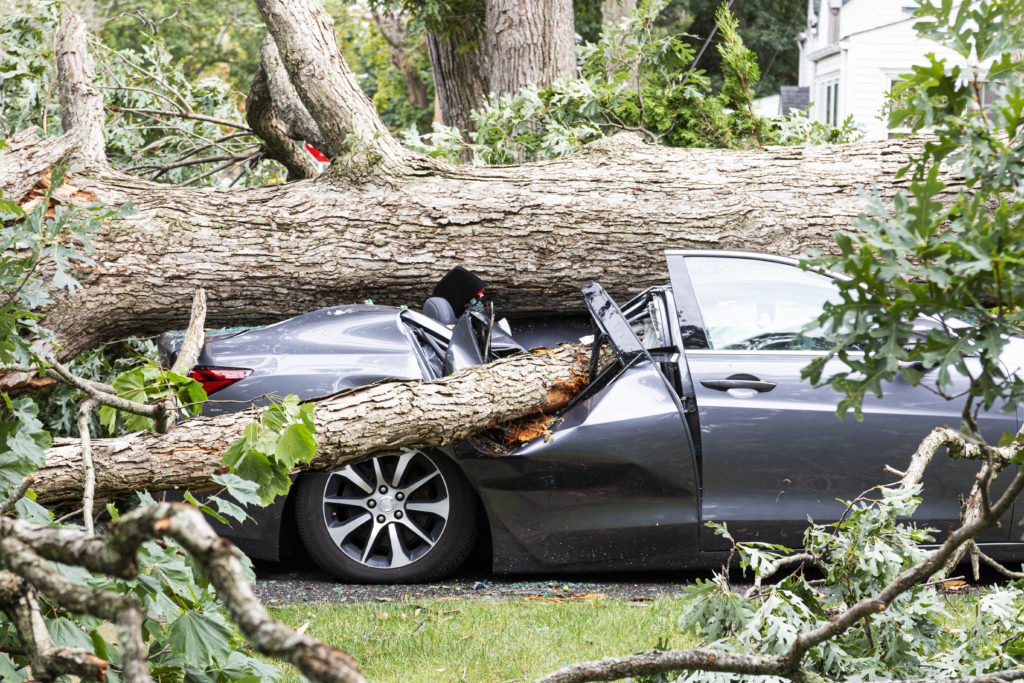
If you experience strong winds in your location, for example, these trees can fall and damage nearby structures, such as your garage, shed, and even your home.

Also, branches of trees that are growing near utility poles may get entangled in wires and cause power interruption. 

Once you see that your trees are growing near structures, immediately call for tree removal in North Bay or in your local area. The longer you leave this problem unaddressed, the more adverse the consequences can get. 

Check For Any Dropping Branches Or Limbs 

The branches or limbs of the trees are some of the many reasons why these greeneries look majestic. Green leaves on the branches or limbs can certainly add a pop of color to any property and can become home to birds and small animals. However, when these branches or limbs start to fall, there’s no reason to continue having them around. 
5 Key Things To Consider Before Cutting Down A Tree Domesblissity.com

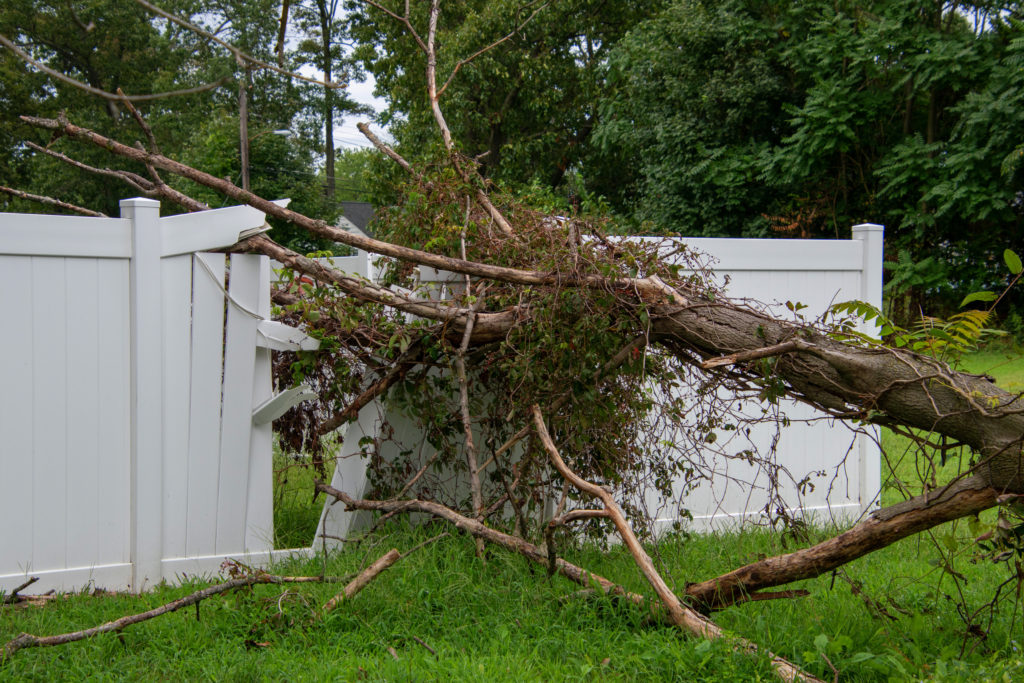
Dropping branches or limbs is a sign of a dangerous tree. Dead branches or limbs will usually carry brown withered leaves or no leaves at all.

Aside from being an eyesore on your property, dead branches or leaves can eventually fall into the ground and cause injuries to whoever is underneath. These branches can also fall into your roof and other nearby structures. 

Pay Attention To The Condition Of The Trunks 

You don’t have to be a professional or invest in countless pieces of equipment to determine the health of your trees. Merely paying attention to the appearance and texture of the trunks is enough for you to determine whether the trees in your property are dangerous or not. 

Deeper cracks, cavities, and splits in the trunks are indicators that the trees are diseased and about to die. These problems are often caused by unstable soil, bacteria, or fungi. 

Growing trees with too many deep cracks in the trunks can eventually lead to danger as they no longer have strength and stability. These trees can easily tumble or fall over, especially if you live in a city or country that often experiences typhoons and strong winds. 

Assess If The Trees Appear Damaged Or Unhealthy

As mentioned, there are no specific requirements before you can effectively assess the condition of your trees. As long as done regularly, you can easily tell the health of your trees simply by looking at them even from a distance.

If you notice that your trees seem damaged or unhealthy, it’s a sign that these can eventually cause danger to your family and around your property.

Damaged trees, such as those affected by typhoons and floods, are weak and can fall any minute. Unhealthy trees, on the other hand, can affect other healthy trees in your property and cause more danger. 

Determine If The Trees Start To Shift Or Lean Over

With the number of trees you can plant today, it’s common to find ones that don’t grow straight. In fact, more and more homeowners choose to plant trees that have branches that grow in different directions as these can add more drama and personality to any outdoor space.

However, if your trees used to grow straight in the past, but are now starting to shift or lean over, you should be wary.

Trees that suddenly shift or lean over are a sign of danger because these can eventually be detrimental to people or properties. This problem is often caused by poor root systems and can become the reason why the trees will die in the long run. Trees can’t thrive if their roots are unstable and don’t absorb essential minerals. 

Hire Professionals 

After you’ve spotted dangerous trees in your property, call professionals to have them removed or maintained. It’s best if you hire pros to handle all of these things for you as doing these tasks on your own can only do more harm than good. This is especially important if you don’t have any experience in removing or trimming trees. 

Wednesday, August 29, 2018

Mold Expert Safety 101: Mold Inspection and Removal Tips

Mold is, in hindsight, harmless – at least from a particular point of view. However, it’s important to realize that mold can indeed be harmful for your home if not dealt with properly. And if left alone to its devices, mold can actually be extremely detrimental to your home’s overall safety and integrity. If you’ve decided to take a stand against mold, it’s important to know just how hazardous it is, how to find it, and how to potentially deal with it. Push comes to shove, you may also need to learn just how to ask services for aid in order to remove your pesky mold problem, and avoid further damage to the rest of your household.

Mold Expert Safety 101: Mold Inspection and Removal Tips www.domesblissity.com

It might help to get to know more about mold before you go about inspecting it. Firstly, mold can be found everywhere, because it can be found even on many surfaces and in the air. You’re likely going to find mold where there’s moisture, so dealing with mold is really all about management than removing it. Perhaps more important to learn about mold is how its presence can affect your health, especially when you’re exposed to moldy and damp environments.

  • Those sensitive to mold tend to suffer skin irritation, eye irritation, wheezing or coughing, throat irritation, and nasal stiffness – which can become severe if you’re allergic to mold.
  • If you possess obstructive lung disease, chronic lung illness, and immune disease may also get serious lung infections should you become exposed to mold.
  • If you’re exposed to mold indoors, you may also encounter wheezing, coughing, and upper respiratory tract symptoms.

Mold Safety: Inspection, Removal Tips For Your Needs

Mold Expert Safety 101: Mold Inspection and Removal Tips www.domesblissity.com

With the above in mind, it can be considered a bit inconvenient just to see mold in places at home you know is crucial for your household’s utilities and stability. However, seeing these first hand may really be a sign that you ought to have these checked out by services such as Precision Mold Removal. Here are other mold inspection and removal tips that can greatly aid you in assessing the potential damage molds can do to your home as well.

How Does Mold Testing Work?

If you’ve ever wondered just how mold testings works, it’s essentially just a way to determine if you have a mold problem at home – especially if there are hidden mold areas. However, not all kinds of mold testing are the same, and as such it’s important to know what kind you should do and what it does to benefit your tests:

  • Professional Mold Testing is done by qualified professionals, as they are trained in the collection and analysis of mold samples. Being trained to do this often yields the most accurate results, given the equipment they use are more professional in nature.
  • Mold Test Kits can be used by the general public, as they can be purchased and are less expensive than professional tests. These test kits are used to collect samples that will be sent to testing laboratories.
  • Multiple Mold Tests allow you to have a much more accurate representation of how mold grows and interacts in your home. This allows you to determine the amount of spores over time, and which areas they grow.

What Are Types Of Mold Tests?

Now that you know the kinds of testing you can do to your home, there are actually various kinds of mold tests that can be done to get various kinds of data for your benefit.

  • Air testing allows professionals to get a concentration of spores in your household air. These are later examined in laboratories. Air sampling can help you determine if you have a mold problem even if there are no visible signs of mold growth.
  • Surface testing takes samples from surfaces of the household to find just how much spores and mold are deposited around the house. These samples are often collected by tape lifting and swabbing. Results can vary, though, as mold spores are spread evenly at home, and can’t exactly determine the concentration of spores in the air.
  • Bulk testing means taking various samples from various materials from the household, which can then help you better determine where the concentration of mold in your home is located.

How Do You Remove Mold Naturally?

If you haven’t been able to contact a professional immediately, but at the same time want to remedy your mold situation, there are in fact a few natural things you can do in order to eliminate mold.

  • Bleach can kill almost any species of indoor mold, though this works best with counter tops, glass, bathtubs, and tiles. Bleach doesn’t work when the mold is in porous materials, and as such can’t be used on drywall and wood.
  • Borax can also help kill mold, and as a natural cleaning product doesn’t emit dangerous fumes and chemicals. It’s commonly used to clean drains and toilets, and can be a fungicide, herbicide, and insecticide. You can mix borax and water for a solution that can remove and kill mold.
  • Vinegar is mildly acidic, and as such can kill as much as 82-percent of mold species. Not only that, but it’s natural as well, and as a non-toxic material doesn’t give off dangerous fumes. You can simply spray vinegar on places where there is mold.
  • Ammonia can kill mold on surfaces that aren’t porous such as tiles, glass, and counter tops but aren’t as effective when dealing with mold in drywall or wood. Ammonia can be toxic, though, especially the gas it produces so be careful while using this.

The Bottom line: Molds Can Be Serious Business

Mold can sometimes get challenging to deal with, especially if you’re not aware of how it works, how to look for it, and how to remove it. With the tips above, you hopefully can get a better understanding on how mold functions and how you can deal with them appropriately. Remember, while you yourself can find ways to deal with mold, it may be much more beneficial for your household if you have a professional service remove the mold for you. Nevertheless, having a foundational understanding on how molds work can put you one step ahead in terms of household management and making sure everything in your home is up to par.