Showing posts with label frozen. Show all posts

Thursday, January 3, 2019

Can you freeze cheese (and other foods)?

I could’ve saved myself some time in writing this post by telling you that I freeze everything but if I told you that, you might be sticking lettuce leaves or whole apples in the freezer hoping that you could use them again in their current form. That’s not quite possible but here are a list of foods you can freeze to avoid waste and the best way to freeze them.

Meat

Any meat can be frozen from fresh or cooked. I’m a bit undecided about refreezing meat that’s been defrosted without being at least cooked first but there is more on this topic here.

Cooked meat, either in a dish like a casserole or stew, or cooked on its own like sausages, meatballs etc can all be frozen. This is a great way to have another meal ready to go.

Reusable Silicone Vacuum Sealed Ziploc Bags
Available in the Domesblissity Shop

If you’ve cooked too many meatballs, which I always try to do, just pop them in a freezer bag or dish and add them to a simple tomato sauce still frozen. They will reheat in the sauce in no time.
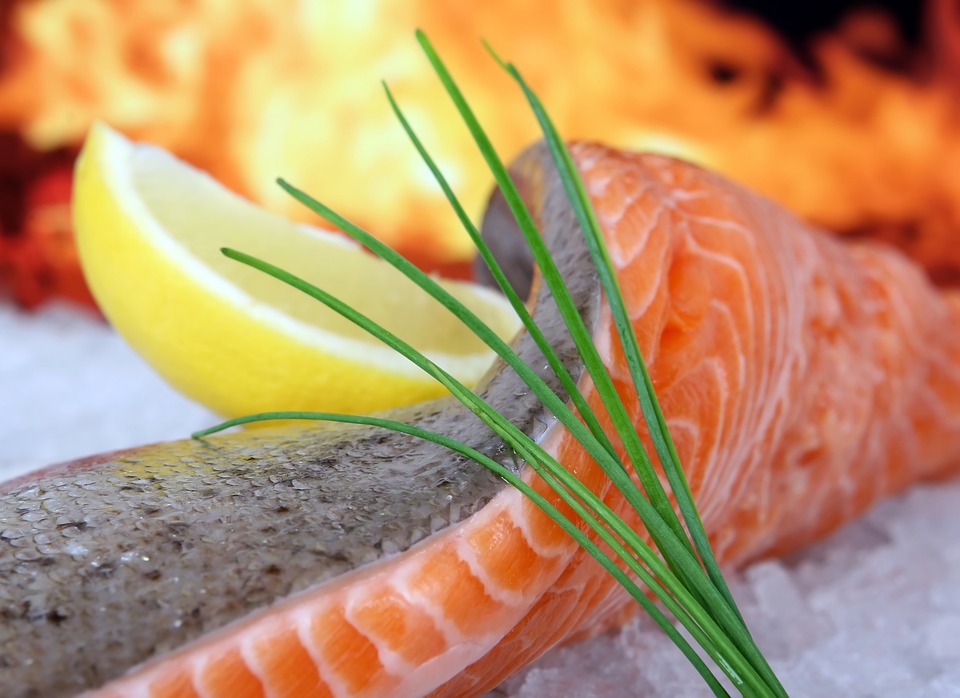
The same is with fish and other fish products. Cooked fish in fish cakes, for example, can be popped on an oven tray frozen (just like store bought crumbed fish) and cooked for an easy meal. The same with a fish or prawn curry or similar dishes.

Eggs

Eggs can’t be put in the freezer while still in the shell. You can separate the eggs beforehand and freeze either the yolks or the whites until required. For example, if you’ve made pavlova and used the egg whites, freeze the yolks for later for a lemon curd.

I haven’t tried it but I wouldn’t hesitate making up an egg salad mixture of boiled eggs mashed with a little mayo and frozen until required. The same with a fried egg. Fried eggs can be popped into a Breakfast Burrito with bacon, sauce and cheese in a tortilla for a quick ‘breakfast on the go’ option. Just microwave or grill before heading out the door.

Vegetables

The thing to remember when freezing vegetables is that not all of them will return to the state they were before they were frozen. For example, vegetables with a high water content like lettuce, cucumber etc won’t defrost very well at all so I wouldn’t bother freezing them to start with. Try to always use those vegetables up first or pickle or roast them (eg pickled cucumbers or oven roasted capsicum) and store in the fridge until required.
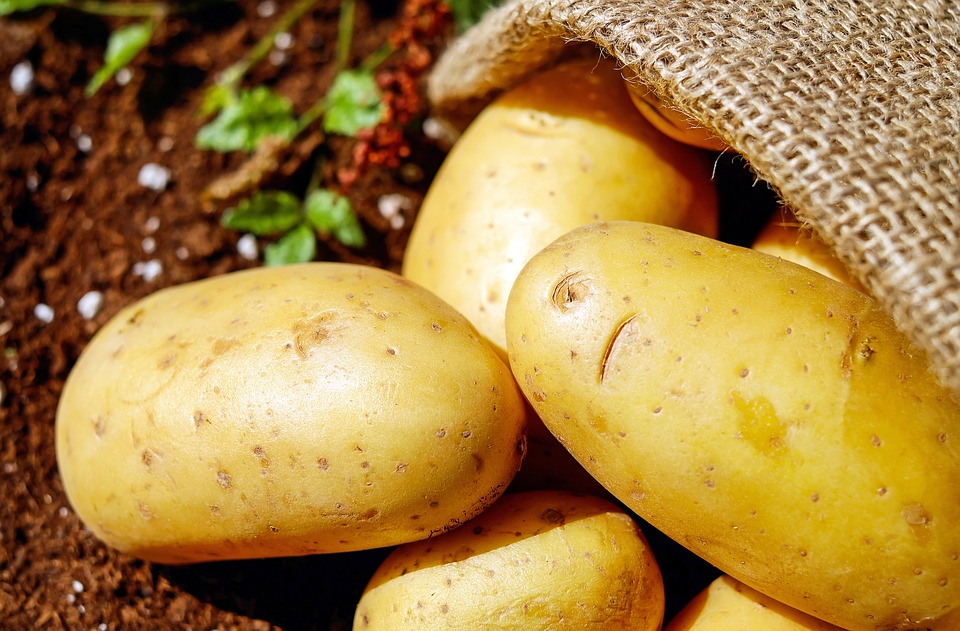
Potatoes and other starchy vegetables can be par cooked for easy reheating like baked potatoes, potato chips/wedges etc. They can also be frozen mashed ready to top a pie or be turned into fish patties or just to thicken a stew or a curry.

To retain the freshness in green vegetables like beans, broccoli or brussel sprouts, for example, par boil in salted water for about 3 minutes and plunge into icy cold water and drain well. Freeze instantly for your own DIY frozen vegetables. They will stay a lot fresher in the freezer ready to be used when needed rather than letting spoil in the fridge because you forgot they were there.

Fruit

Fruit, just like vegetables, won’t defrost like it went into the freezer. You have to be mindful of what you might be using the fruit for and freeze it in that state.

For example, fruit like apples, pears, peaches, apricots are better stewed before freezing and they can be defrosted into a pie or crumble (crisp) filling or used in muffins or cakes for baking.
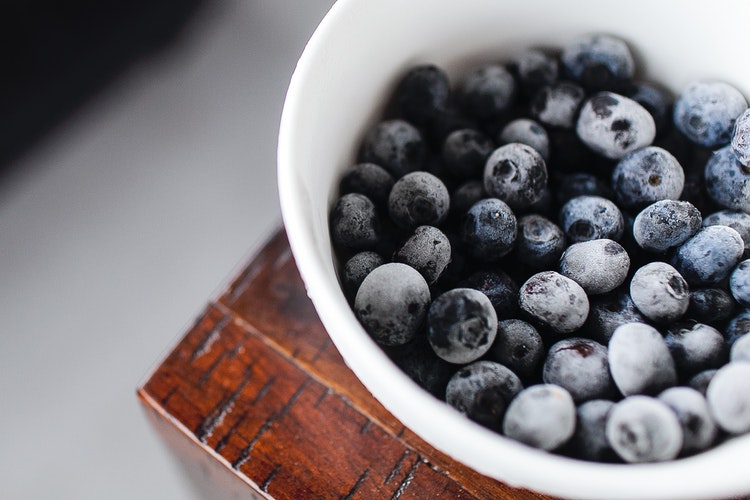
Berries are excellent at freezing as is and can be used in all sorts of baked products, smoothies, ice creams or icy poles.

Bananas can be frozen whole in the peel and used in banana cakes or muffins. If you peel the banana first then chop into small pieces it can be popped straight into a smoothie or blitzed in a blender as is, with nothing else, for the best and easiest tasting ice cream. (Blend other frozen berries with it for a different flavour combination.)

High water content fruits like watermelon for example is great if blitzed before freezing into a puree. You can add this to a daiquiri or other cocktail or make a simple sugar syrup and mix through the watermelon pulp for a watermelon granita.

All the citrus varieties of fruit can be frozen whole, juiced beforehand and the juice frozen in a container or ice cube tray. They can also be sliced and frozen on a tray then added to a cold glass of water for a refreshing cold drink. The peel can be frozen on it’s own and used in baked goods as well.

Dairy Products

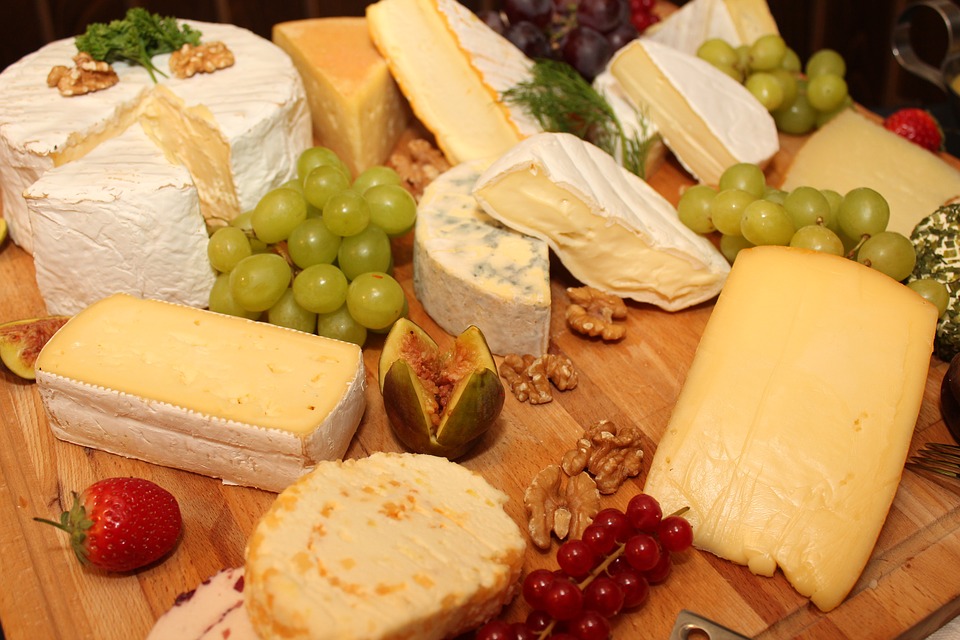
Most dairy products can be frozen too. I keep my cheese in the freezer and use from frozen. If I need cheese to sprinkle on tacos, for example, I’ll put it on a plate just before serving and it will be defrosted in no time. All sorts of cheeses freeze very well. This is a great way to save bits of cheese that have been leftover from a cheese platter for example. A variety of cheeses to top a pizza or flavour a Macaroni Cheese, for example, will add a delicious flavour.
If milk, yoghurt or cream is nearing it’s expiry date, you can freeze that too. Think about making it into an ‘end product’ before freezing for example, a smoothie made from the milk or yoghurt and turn it into an icy pole or ice cream for the kids. Yoghurt and cream can also be frozen in ice cube trays so that if you only need a tablespoon for a recipe, you can take out all that you need. If freezing milk, remember once defrosted, it will only have a short shelf life. Think about freezing it into smaller containers if you think it won’t be used up in time.

Bread

I freeze all my bread from fresh, ie sliced bread, whole loaves, bread rolls, all different kinds of breads, pizza dough etc and only take out what I need as I need it. There are some people who say they can taste the difference in bread if it’s been frozen but I swear, I’ve been doing this for most of my life and the bread tastes as fresh as the day I bought it. It avoids it going mouldy and ultimately being wasted.

Cakes, Biscuits, Muffins & Other Baked Goods

If I bake or buy baked goods, they are automatically popped into the freezer until they are required. This retains their freshness and only taken out as required. A muffin, for example, is popped straight into the lunch boxes frozen and it will be fresh and ready to eat by lunch time. You can also zap in the microwave for about 10 to 20 seconds to defrost it.

Cookie dough, made in bulk, can be frozen into a log shape and only taken out when you need to make more cookies. They can then be returned to the freezer once cooked if you know they aren’t going to be all eaten straight away. Not something that happens in my house often!

Any uneaten cake can be frozen and made into bliss balls, truffles, top a crumble or biscuit crumbs can be frozen and used later for the base of a cheesecake.

Opened Tinned Goods

If you open a tin of spaghetti, soup, fruit or anything else, it is usually good to freeze the remainder in a plastic ziplock bag or container until required. I’ve frozen small amounts of baked beans for individual breakfasts for myself. Tinned pineapple has been frozen for use in a cake or ‘tropical flavoured’ muffin or even a sweet and sour sauce.

Summary

My general rule is to freeze everything. You’ll know whether you can freeze it again in the future once it’s defrosted. If it’s not usable once it’s defrosted, you know not to freeze it again. I’ve got a freezer full of bits and pieces that always come in a handy to flavour a meal or change up the flavour of a cake or muffins. It avoids wasting food and helps you create a variety of meals to add to your family favourite’s meal plan.

Can you freeze cheese (and other foods)? Find out what foods you can freeze and how best to freeze them and plenty of recipe ideas from Domesblissity.com #freeze #frozenfood

Monday, March 2, 2015

Frozen mango & Greek yoghurt dessert

Following on from The Ironing Chef series I’m doing each month, this is the dessert I produced when faced with the problem of only having pork chops and mangoes in the house (plus a few pantry and fridge staples). I’ve got to admit, even though it was ‘nice’ it would’ve been a lot better if I took the time to strain the yoghurt before mixing in the mango puree. It would’ve resulted in a lot creamier texture and not so ‘icy’. Nonetheless, it was received well and complemented our first candlelit Valentine’s Day dinner last month.
The only extras I used for this dessert were cookies, butter and a little bit of melted chocolate to decorate the dessert with 2 love hearts on each dessert plus some very dodgy initials. My piping skills leave a lot to be desired but they won the heart of my wonderful fiance who was very impressed. (It obviously doesn’t take much to impress him!) I’m forever grateful for any gift I receive, at any time of the year, but these Danish butter cookies we get for Christmas from well meaning friends (two tins last Christmas) were lingering in the pantry. I think my kids get tired of them. I remember loving them as a child and were a real treat. I don’t think they are as ‘buttery’ anymore but still a nice treat. I used them for the base of the dessert. It doesn’t really need it but it was a nice contrast to the icy mango flavoured yoghurt.
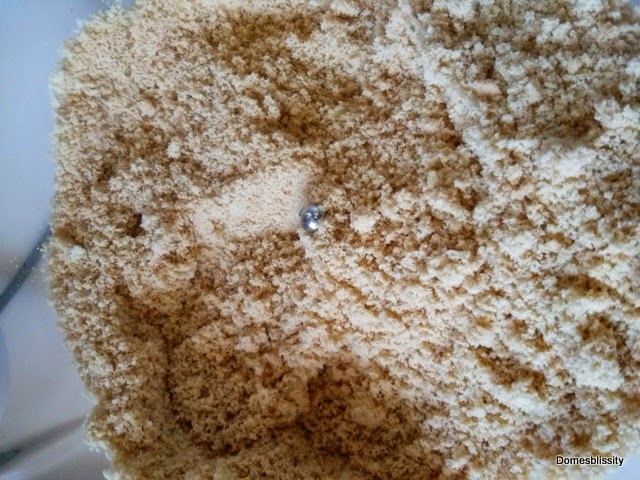
Using a food processor (or trusty plastic bag and rolling pin), grind the cookies into crumbs.
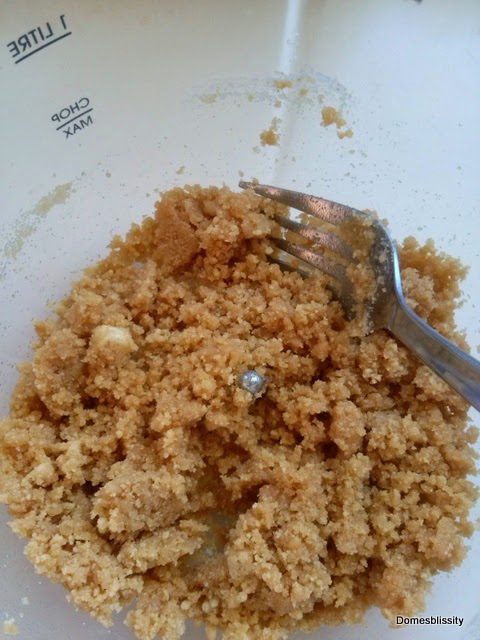
Mix in enough melted butter until the crumbs form a dough-like consistency. You can also add spices if you like. I added a sprinkle of ground ginger but depending on what fruit puree you used, you could add cinnamon or nutmeg as well.
Press the mixture into a springform pan, or as I did, directly into a cookie cutter. In this case, a heart shaped one for Valentine’s Day. Allow to set in fridge. (I set it directly on the plate I was going to serve the dessert on.)
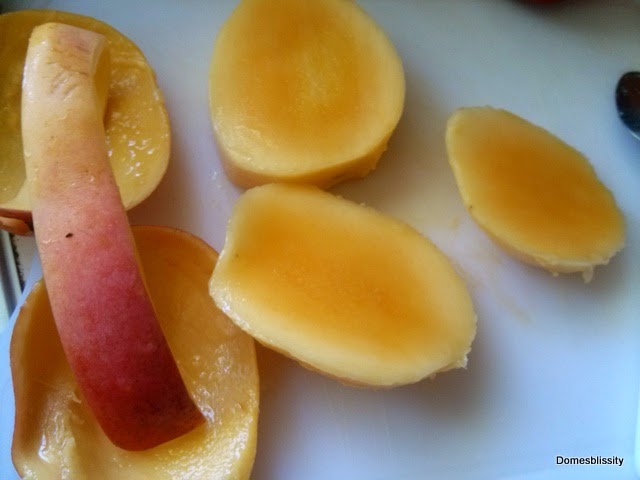
In the meantime, cut the flesh from one mango and puree. Mix with 1 cup of strained Greek yoghurt. To strain it, wrap in a brand new, clean kitchen cloth and tie onto a wooden spoon resting over a mixing bowl. You can do this for an hour or so or, with sufficient planning (unlike me), leave to strain overnight. Mix the strained yoghurt with the mango puree and place in a small flat plastic dish or baking pan, lined with plastic wrap and freeze. I did this part in the morning and made the base later on in the day. You could also pour directly onto the base in the springform pan if you were making a large dessert.
If you’re going for the individual dessert, using your cookie cutter of choice, press out the frozen mango/yoghurt mixture with the cookie cutter. Place on top of the biscuit crumb mixture and decorate with piped chocolate decorations or fresh berries.
This was very easy and a great way to use up the last mangoes of the season and any yoghurt you have lurking in the fridge. If you don’t have yoghurt, use whipped cream or ice cream. Even a can of condensed milk mixed with the mango puree would turn out a delicious sweet treat. Also, if you don’t have mango, any fleshy fruit would work well. Remember, use what you have.
Frozen Mango & Greek Yoghurt Dessert
  • 1 mango, flesh removed and pureed
  • 1 cup Greek yoghurt, strained (or fresh/sour cream, ice cream or whipped cream)

Base:
  • cookie crumbs
  • butter, melted (enough to combine cookie crumbs)
  • ground spices, optional
  • fresh berries to serve, optional
  • chocolate decorations, optional

  1. Mix pureed mango with strained yoghurt and allow to set in your choice of dish. (Springform pan for a large dessert or set in a baking pan or flat plastic dish to allow shapes to be cut.)
  2. Mix cookie crumbs with melted butter and set in springform pan or directly into cookie cutter.
  3. Once dessert has frozen, cut out desired shape with cookie cutter and place directly onto cookie crumb base.
  4. Serve with piped chocolate decorations or fresh berries.


Previous Ironing Chef Posts:

Ham & Pineapple


Sunday, January 6, 2013

Mango & Macadamia Frozen Trifle

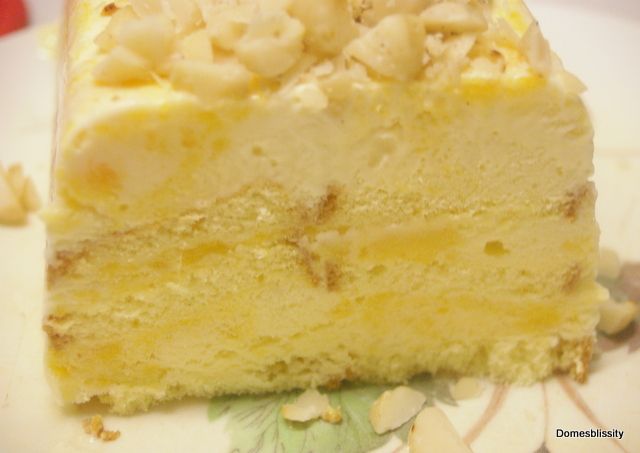
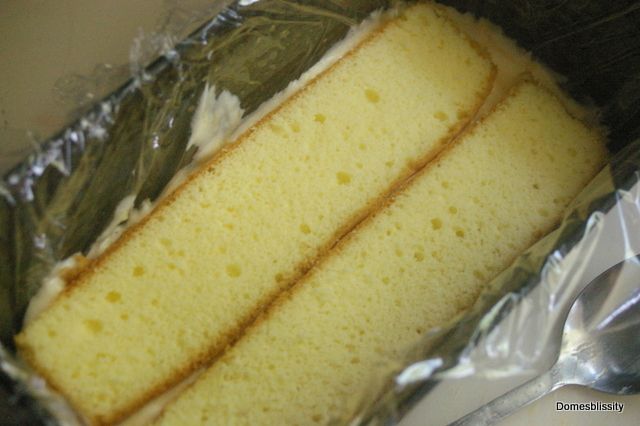
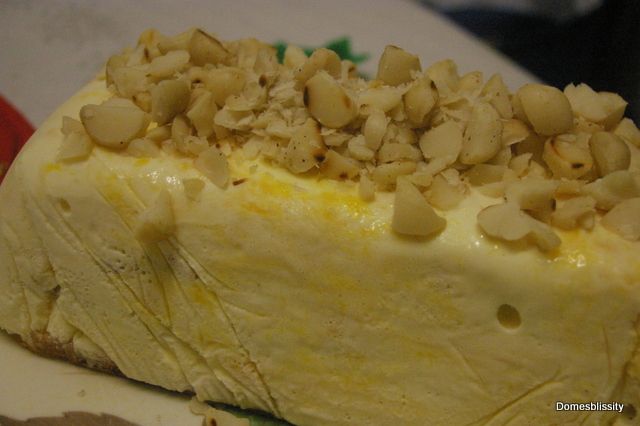
Every Christmas, for the last few years when I’ve been asked to bring dessert, I’ve relied on an ice cream dessert that changes from year to year, based on what fruit I decide to put in it. This Christmas just gone, I decided to go one step further and add sliced sponge cake as you would a trifle. I had an abundance of mangoes so mangoes it was.

This is such a great recipe for a dinner party or event like Christmas because it can be made ahead, days in advance. You can use up cake, if you want to, or use a store bought cake. I was going to add a layer of jelly but I was pressed for time. I would’ve had to wait for each layer to freeze before adding the next but that would work perfectly if you had the time.

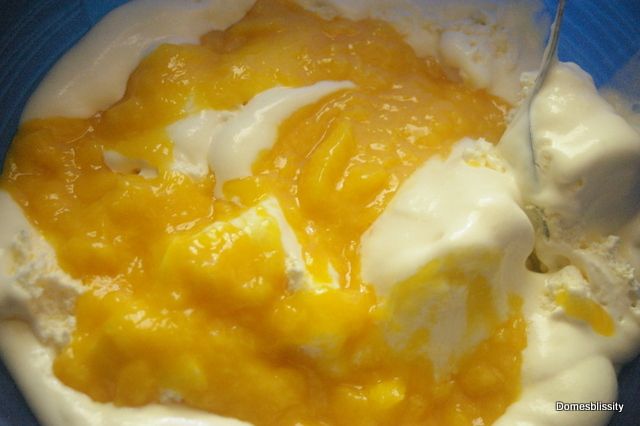
It’s as simple as softening half a tub of ice cream (around 1 litre), mixing through the desired filling. In this case it was a whole mango which had been pureed, with a few small chunks left in if you like. Fold through lightly and layer alternatively with cake in a cling film lined loaf pan. Finish with another layer of cake and cover in cling film then freeze.

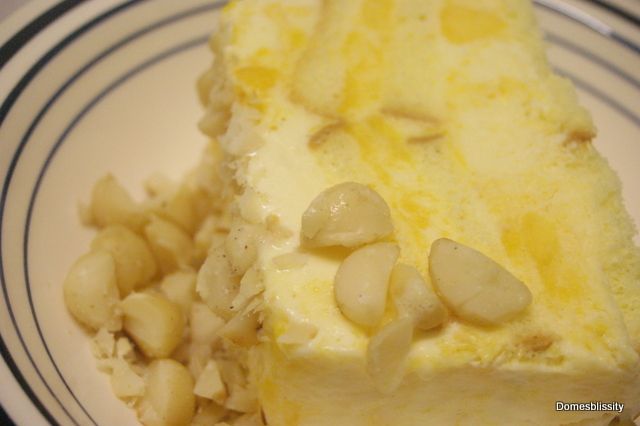
Turn out and top with roasted macadamias. Slice and serve.

I’ve made a few different http://www.buildajam.com/profile/Paulsen_41-1720.htm variations of this over the years, adding a layer of mango sorbet instead of adding the mango to the vanilla ice cream. I added chopped macadamias to the vanilla ice cream and topped with slivers of fresh mango.

Mocha Toffee Crunch Terrine by Bake at 350

Another one I did was with chocolate and cherries. I added coconut to the vanilla ice cream layer, chopped fresh cherries to the chocolate layer and topped with chopped Cherry Ripe bars. You could use any flavour ice cream (I prefer the plain flavoured ice creams and add chopped candy bars, nuts or fruit purees) Layer with cake, biscuits, caramel, chocolate. Go as decadent as you like. You can make them individually, in loaf pans, round pans, ring pans or even back in the ice cream tub and turn out, top with fresh cream and sprinkles and you’ve got yourself an ice cream cake ideal for a child’s birthday party. Whichever way you do it, you’ve got a yummy, cold, creamy dessert that looks like you’ve gone to a lot of trouble and it was actually very easy. And remember. Just use what you have and go for a reasonably good quality ice cream. They’re usually on special around Christmas time (or every other week).

Thursday, February 23, 2012

Buying vs growing your own vegetables

[photo source]

Is it better to be buying vs growing your own vegetables? A lot has been written in various media for quite a while now on how easy it is and how much better for you it is to grow your own vegetables at home. In many ways I agree but, for me, it’s totally nonviable and not very economical.

[photo source]

Raised garden beds, garden beds made from recycled materials, permaculture, organic gardening, companion planting, succession planting, saving seeds, etc etc are all terms I hear and read about all the time. I would love to eat nothing but fresh, homegrown produce but it’s just not worth my while. 

[photo source]

Don’t get me wrong, if you’ve got the time, the resources and the people to eat all of this produce, then it might just be worth your while. My grandmother grew her own vegetables (and fruit) on her dairy farm and then also in retirement in her backyard. Whatever she grew, she ate. There wasn’t much she had to buy except for pantry staples. It was all there in her backyard. My mother tells me stories of how they’d eat green beans for breakfast, lunch and dinner (just kidding) but when the beans were in season, that’s all they ate. I couldn’t even get my children to hold a green bean.

[photo source]

I’ll grow a few herbs, which I know get used up in cooking meals, but I’ll choose to buy my fruit and vegetables and strive to get the best value for money I know how.

Buy in season

Rather than menu plan and then buying what I need, I plan the meals I will cook based on what fruit and vegetables are in season. They will always be in great supply, in peak condition (hopefully) and, most importantly, cheap. Here are some websites to look up what and when will be in season.

Australia: Fruit & Vegetable Season List

New Zealand: What’s in season?

USA: Interactive Peak Season Map at Epicurious

UK/Ireland: Eat the Seasons – What’s good to eat this week? (Updated weekly)

Canada/USA: Eat the Seasons – What’s good to eat this week?


Buy frozen

Look out for specials at your local supermarket or, when fruit and vegetables are in peak season and cheap, and you have the room, freeze them for use later. This is also to good to remember if you do happen to grow your own.  There is quite a lot of information on how to freeze and preserve vegetables and fruit on the internet but I found The National Center for Home Food Preservation in the USA has quite comprehensive information on freezing, canning, drying, smoking or pickling fruit and vegetables on their website.

Buy canned

Some people may argue that frozen vegetables are far superior than canned but some vegetables actually increase the phytochemical content of some foods, for example lycopene in canned tomatoes and the beta-carotene in canned carrots and pumpkin.  I use a lot of canned tomatoes and find they are full of flavour, cheap and easy to store. Canned beans and pulses such as lentils and chickpeas are a great standby as a source of protein.

Using vegetables in other ways

In a family where I am the only one who eats capsicum, zucchinis, eggplant, varieties of lettuce, cucumber, beans, celery, silverbeet and spinach, just to name a few, I’ll choose to buy a little when it’s in season and use other seasonal vegetables in a way my family will eat them to get the most from my dollar.  I’m talking about pureeing the fruit or vegetables and adding them to muffins and cakes or using the puree in pasta sauces, curries, patties and any other deceptive way I can. I also just put them on my kid’s plates and cross my fingers, sometimes with success.

No, that’s not me. That’s Martha. I find it hard to believe she gets her hands dirty.

As much as I love getting in the great outdoors and gardening, I’d prefer to spend my time in other ways rather than ensuring that all my hard efforts are being wasted in growing an abundance of vegetables that no one else will eat (except maybe the snails and grubs). I give full praise and credit to people who do grow their own and make it work for their family.

Some excellent resources to get you started on a home vegetable garden, should you so desire.

Gardenate – A worldwide resource to keep your kitchen garden growing and producing

Easy organic permaculture garden

Step by step no dig garden

Growing vegetables in pots

There is a lot of information out there on the internet and at your local library and hardware or garden centre.