Meat prices and how to save money on meat? I don’t need to remind you just how expensive meat is at the moment. I swear, I grew up with Mum and Dad buying a whole side of lamb which would last for ages. Now it’s like you need to sell an arm or a leg to buy a few lamb chops!
There was no such thing as just buying chicken breasts either when I was growing up. You bought the whole chicken and that was it. If you wanted the breasts, you cut them off yourself.
Supermarkets are capitilising on people wanting to save money on groceries and are making the cheaper cuts more expensive. I do sometimes buy my meat from a local butcher but I really don’t like shopping around. I want to order everything online, pick it up and pack it away.
How to save money buying meat
In a typical fortnight, I’ll buy one pack of 4 (there’s pretty much for in every pack) chicken breasts, one 1 kg beef mince, one 2kg pack sausages and one 1kg pack of frozen white fish fillets. (I do also buy ham, bacon and salami and tinned fish when the budget allows but I always like to have those in the freezer.) That does my family of four for more than two weeks.
Here are some more ways I save money on meat.
Use half or less of what’s in the recipe
If a recipe calls for a certain amount of meat, use at least half (or go even lower). I use one chicken breast for the four of us for stir fries, pasta bakes and have been even known to slice one large breast horizontally into four then flatten out for schnitzels.
I use a handful of beef mince in all pasta dishes. I very rarely add lentils, for example, to increase the protein. I believe the pasta sauce should be exactly that, a sauce.
Two fish fillets can easily feed a family of four (or more) by cutting them into smaller pieces for sweet and sour, a curry, or even crumbing or battering to have enough for everyone.
About 250gm of beef mince can be made into meatballs that have had soft or dry breadcrumbs added. Add grated or blitzed onion, herbs and an egg then roll into small balls. Hamburgers can be made the same.
Use cheaper cuts of meat
If you do feel like a roast, for example chicken, buy just the legs. My supermarket has 2kg of chicken drumsticks for about $6.50. They are also good in a Chicken Chasseur, Chicken Cacciatore, curry or any of your favourite sauces.
Shoulder cuts are often cheaper than legs for pork or lamb.
Whole blade roasts are also cheaper than some of the prime rib cuts.
Cut meat into small sizes
Four sausages is enough to feed a family of four if they are cut into small pieces for a curry, sweet and sour or sausage casserole. I like to portion two sausages per person but sometimes if we have a sausage sizzle dinner, there might be just two sausages left so I’ll make that up into a dish and cut the sausage into small pieces. There’s always enough for everyone.
Use deli style meats like bacon or ham
Don’t forget about bacon. A couple slices of bacon can be turned into fried rice as a meal, cooked and crumbled onto a baked potato for a meal, used in a Carbonara. I buy a kilo of bacon for $9 and it’s very lean and I can usually get four to six portions from a kilo. Same goes for using ham this way.
Tinned fish is an substitute for meat prices
A large 425gm can of homebrand tuna costs around $3 and it can be turned into anything. Pasta sauces, pasta bake, tuna patties, Tuna Casserole or Tuna Mornay. Canned salmon is a little more expensive but is a good way to get your protein for a lot cheaper than meat.
Eggs are a cost effective solution to meatprices
Eggs are a great substitute for meat. Frittatas, omelettes, quiche, and so many other dishes are a great alternative to meat. At around $5 for a dozen free range eggs is a great way to feed your family for less.
Vegetarian is always an option when trying to save money on meat
Dried or tins pulses like lentils and chickpeas are an excellent source of protein and can be added to a meat dish or served on their own. I know they’re not to everyone’s tastes but there are some excellent recipes on line. With the addition of fresh or dried herbs and spices, you can make some delicious vegetarian meals.
Even going meatless one day a week can certainly help reduce your grocery spend.
You can run around to all the stores or individual stores to find the best prices on meat. Or you can use some lower priced alternatives to ensure you are getting the protein you need.
I love a challenge, don’t you? Especially when it comes to food, cooking, grocery shopping or saving money. I’ll always look for the more frugal way to do something. Not because I’m a cheapskate. I find it rewarding and it confirms what I know and that there is always a cheaper way to do things around the home so you have the money for more important things in your life. Here’s how I fed my family of 4 on $60 per week for a month.
I set the November Grocery Savings Challenge up for the members of my Shop Smart, Eat Well Facebook Group that if they reduced their grocery budget each week during the month of November, they could put that money aside for the extra, indulgent Christmas purchases we all face.
Why did I choose $60 per week?
I chose $60 per week because I already am pretty low with a budget of $75 per week (well, actually $150 per fortnight). I find that fortnightly shopping with a budget of $150 is more than enough to get everything I need.
I wanted to shave a little bit off that so I had around $60 by the end of November (4 x $15 savings) to purchase seafood for our family’s Christmas lunch. I don’t believe that you should go all out just because it’s Christmas, especially if you’re already doing it tough.
Growing up, I enjoyed huge family Christmas functions where we ate regular food with the addition of a special plum pudding or Christmas cake. Nothing extra. Nothing fancy.
We were all left feeling full and very satisfied as the food was beautifully prepared, there was plenty of it and it was more about the time spent together than what we were actually eating.
What I already had before I started
I already had a well stock pantry before I started. Not bulging but all the usual ingredients I keep on hand to make the meals my family eats.
I had a bit of meat and frozen vegetables in the freezer and some usual ingredients in the fridge like cheese, butter, some fruit and some fresh vegetables.
So here’s how I did it for the 4 weeks.
Breakfast & Lunches for $60 per week
Just so I’m not repeating myself, our breakfasts and lunches were always pretty much the same every day throughout the month, and for any month really.
My family aren’t big breakfast eaters. The food is there if anyone wants it. My husband and son eat the cornflakes, I have granola or oats with Greek yoghurt and frozen fruit or there was raisin toast, normal bread for toast with the usual spreads like Vegemite, honey, peanut butter etc. I might’ve even made pancakes one weekend.
For lunch, my husband takes sandwiches and fruit and maybe a baked item. Same with my son and daughter. I’ll have a sandwich, a salad, yoghurt or sometimes I’ll grab something for lunch if I’m out with girlfriends. I tried to limit that during this Challenge just to prove that it can be done on this amount of money.
Snacks were baked goods, fruit or freshly popped popcorn.
Sweet & Sour Fish with Rice: White fish fillets from the freezer, cooked rice from the freezer and sweet and sour sauce from pantry staples and a few veg.
Spaghetti Bolognese: Beef mince from the freezer, tinned tomatoes, pasta etc from the pantry and tiny piece of Parmesan left in the freezer.
Mango Chicken & Rice: Chicken breast, 1 mango, sauces from the pantry, rice from the freezer, vegetables from the fridge.
Cajun Fish with Cabbage & Bacon: Fish, bacon and vegetables from the freezer, cabbage from the fridge, spices from the pantry.
Pork Schnitzel & Coleslaw Sandwiches: Pork leg steaks from the freezer, bread from the freezer, homemade coleslaw from vegetable ingredients, homemade coleslaw dressing ingredients.
Beef Chow Mein with Rice: Beef mince, cabbage, frozen vegetables, cooked rice from the freezer and pantry sauces.
Potato topped Fish Pie and Vegetables: Frozen fish, vegetables from the fridge and freezer.
Variety: No one was really hungry so we ate whatever we were prepared to make ourselves. There were 2 minute noodles or toasted sandwiches which everyone was happy with.
Tandoori Chicken Drumsticks & Naan Bread: Chicken drumsticks from the freezer, Greek yoghurt from the fridge, spices from the pantry, Naan bread reduced from the supermarket.
Indian Navajo Fry Bread: Ingredients from ‘bread’ from the pantry, beef mince from the freezer, tin of beans from the pantry, salad ingredients from the fridge and topped with Greek yoghurt to substitute sour cream.
Variety: It was a late lunch and very hot so some of us had cereal for dinner and I had a mango smoothie.
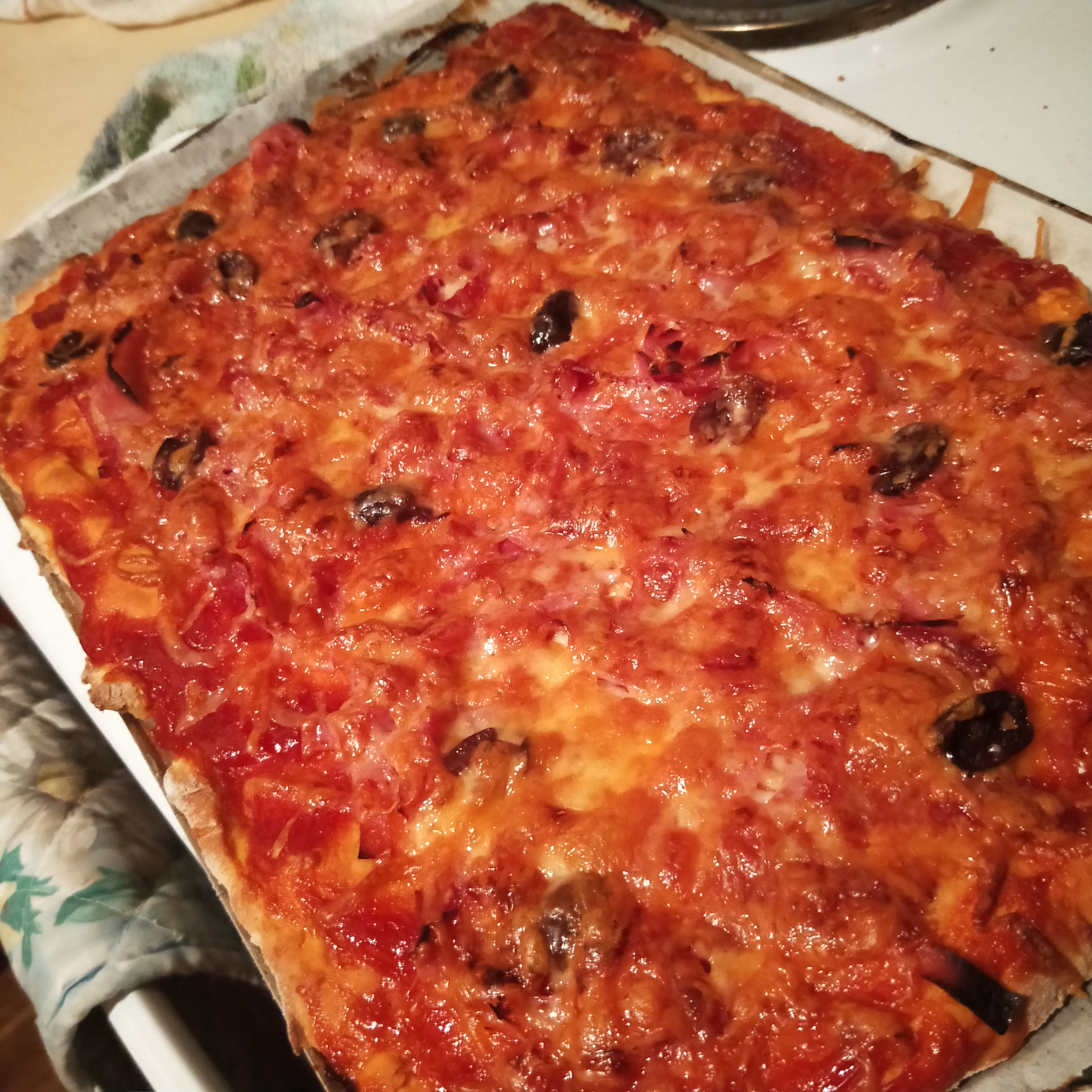
Homemade pizza: Using Lebanese bread from the freezer as the base, tomato or BBQ sauce, topped with ham, cheese and olives.
Note: This week’s grocery shopping was $13.50 over my $60 budget for the week. I put it down to trying to remember what I had on my list because I left my list at home. It’s so easy to think you’re going to stay under the budget but even a seasoned shopper as myself can go over budget.
What we ate for dinner
Chicken & Spinach Pasta Bake: Chicken breast and spinach from the freezer, other vegetables from the fridge and remaining ingredients from the pantry.
Tuna, Rice & Salad Bowl: Tinned tuna, salad ingredients, cooked rice from the freezer.
Pie Maker Meat Pies, Homemade Potato Wedges & Salad: Used sliced bread as the pastry for the pies, beef mince from the freezer, potatoes and salad ingredients from the fridge and all other ingredients from the pantry.
Vietnamese Grilled Lemon & Coriander Chicken with Vegetable Fried Rice: The lemon/coriander sauce was a reduced items from months before. It did say “Indian” on the packet but I figured it was the same ingredients that suited Vietnamese food. I used cooked rice from the freezer and a selection of fresh and frozen vegetables plus pantry sauces for the fried rice, plus an egg from the fridge.
Pork Sausage & Onion Rolls: Sausages from the freezer, onions from the fridge and free bread rolls given to me.
Homemade Pizza: Lebanese bread as the base, pantry sauces, ham, frankfurts, onion and cheese for the toppings.
Homemade Fish Burgers: (Frozen fish fillets were purchased today.) Used free bread for the rolls, salad from the fridge and a few ready made oven chips from the freezer.
Roast Pork Dinner with Baked Vegetables: Pork from the freezer and fresh roasted vegetables with packet gravy (and juice from the meat).
Frozen Fish, Homemade Potato Wedges & Salad: Frozen crumbed fish fillets from the freezer, potatoes and salad ingredients from the fridge.
Leftover Pork Curry with Pumpkin & Rice: Leftover roast pork, pumpkin and onions from the fridge and other ingredients from the pantry.
Spaghetti Bolognese: Beef mince from the freezer, pasta and other ingredients from the pantry and cheese from the fridge.
Grilled Chicken & Salad Sandwich: Chicken breast from the freezer, free bread and salad ingredients. (Ice cream for dessert if anyone was still hungry.)
Homemade Pizza: Lebanese bread from the freezer and other toppings like ham, cheese etc from the fridge. (For those who didn’t feel like pizza there was cereal.)
Total Budget for 4 weeks @ $60 per week = $240.00
Total Spent for 4 weeks = $255.22
Balance = Overspent by $15.22
Compared to my usual budget of $300 per month (ie $150 per fortnight) =
$300 (usual budget) – $255.22 (actual spent in total in November) = $44.78
So even though I may have overspent on some weeks during the November Savings Challenge I set myself, I still came out in front by $44.78 compared to my usual fortnightly grocery budget of $150 per fortnight.
It doesn’t hurt to do this occasionally, especially if you have a big event coming up like school holidays, Christmas or Easter. I can now put an extra $44.78 towards buying a few extra for Christmas like seafood for lunch.
If you’d like to know more about how I can save money on groceries without meal planning, fancy ingredients and eat really well, check out my program Shop Smart, Eat Well.
Nobody wants to live in poverty. However, one in seven Americans are in this situation today with nearly just as many in Australia. That includes one in five children in the United States alone. With almost 68 million Americans receiving welfare assistance (approximately 723,000 as at August 2017 in Australia), it is any wonder why there is a large number of state and federal programs that are designed to provide financial support. Here’s how mothers can prepare for change when starting welfare support.
For single parents, life can be difficult when having to deal with raising your family all on your own. In fact, nearly two-thirds of families living on welfare are headed by women with children. Even those who receive assistance only receive the minimum they need to survive from hardships like homelessness, hunger, and utilities.
Here’s how mothers can prepare for change when starting welfare support.
Apply for Supplemental Assistance Programs
In the United States
Applying for support like Temporary Assistance helps families receive support and through a list of services that include aid in housing, children care, food, and more. Another frequently used program is SNAP, which helps families in need to buy quality food. Commonly known as “Food Stamps,” this program will provide a card that works at approved grocery locations. According to the Pew Charitable Trusts, safety programs like food stamps help millions of families from starvation and the constant struggle to feed their families. However, there are many requirements that go into eligibility for food assistance.
In Australia
The Australian Government has emergency assistance programs in place. You may be eligible for an advanced lump sum payment to go towards finding accommodation, paying bills or buying food. They have an online Payment & Service Finder that can help you find services available in your area for your specific needs.
There are many charitable organisations in Australia that can help with food and some financial assistance. The Department of Social Services also has an online directory of charitable and non profit organisations that can assist in times of need.
Understand Your Priorities
When you become recipients of welfare support, make sure to learn how to prioritize your spending. While you might be qualified for food assistance, only spend on the necessities like food, shelter, utilities, and your family’s needs. Creating a budget will help guide you in organizing your budget and spending. This may even help you build your savings to get through the struggle of financial emergencies.
Learn to Spend Less
With a limited budget, you will start to realize what you need versus what you want in life. This may mean that there will be no more shopping sprees or eating out on a daily basis. Learning to cut the unnecessary items will help you reduce expenses that may play a strong role on your monthly bills.
Take Advantage of Child Care Programs
Government programs such as childcare subsidy programs benefit families with low-income (in the USA and in Australia) and meet certain requirements for assistance. If you already receive temporary assistance from the state and engage in work activities, you would automatically be eligible for childcare support.
Ask for Help
When in a tough situation, many of us are shy or even scared to reach out to others. Learn that it is okay to ask for help when you need it. This is especially true when facing a situation you can’t face all on your own. Having support will help you get through whatever you are going through.
When you’re ready for change and receive support, be sure to do your research and apply for programs that will work best for you and your family. Know that it is more than okay to ask for help and do what you can to provide for your loved ones. While you may be having a difficult time, be positive and never give up hope for the strength of your family.