Reverse osmosis water purification is one of the best methods of water purification available for residential homes today, although it was initially developed for industrial use. It’s a highly effective technique, especially if you’re trying to filter larger quantities of water. This mode of water of purification is typically used to reduce the amount of toxins and chemicals found in unfiltered water.
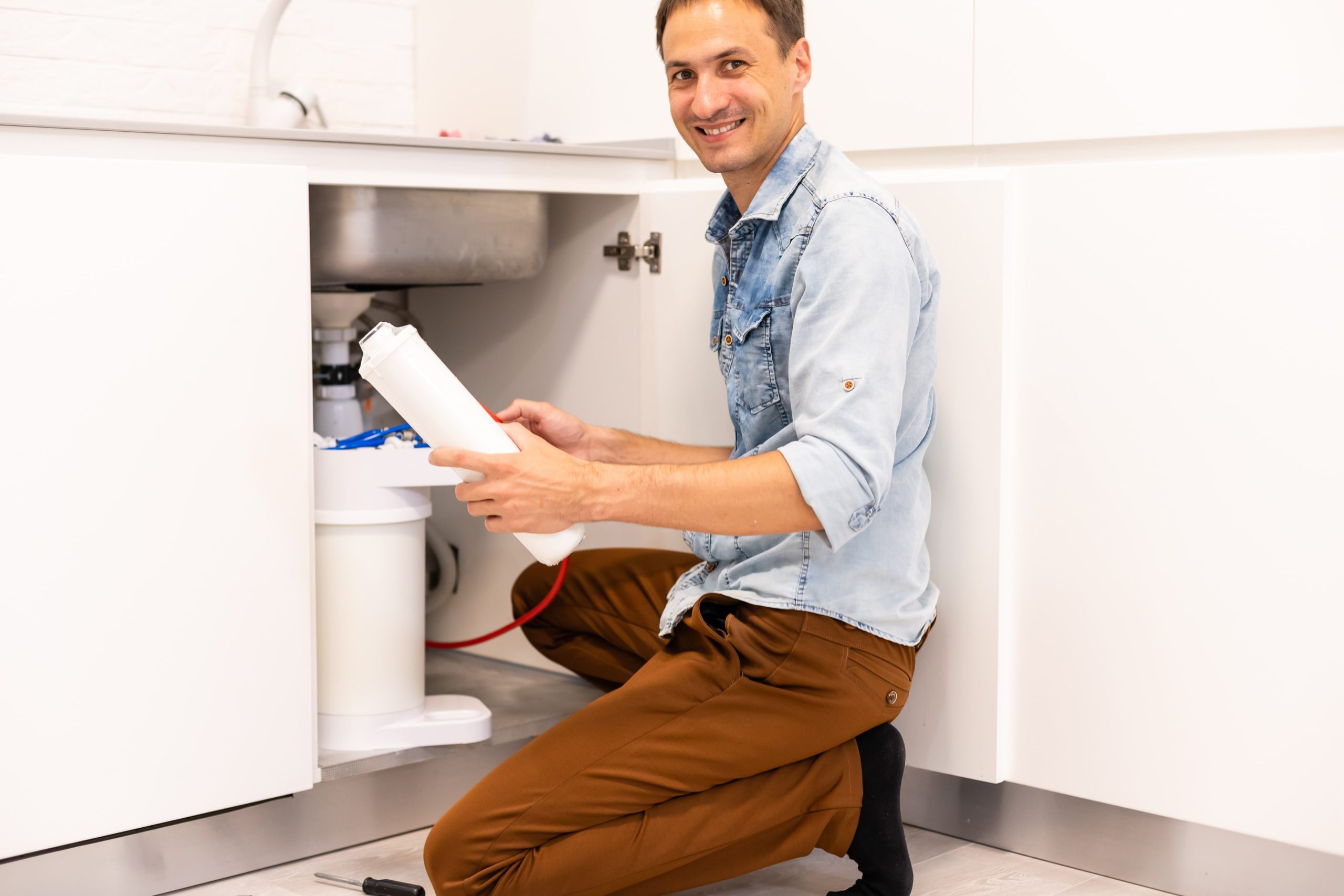
Despite the popularity that it has gained over the past few years, not everyone understands what reverse osmosis really is and how it works. This article aims to cover all the important details regarding this water purification technique and why it has become the go-to method in many households.
What Is Reverse Osmosis?
Reverse osmosis, basically, gets rid of water contaminants by pressurizing the water through a semipermeable membrane. The water comes out on the other end with less concentration of the contaminants.
This clean content fetched for domestic use is called the permeate, while the “wastewater” left on the concentrated side is called the brine.
You might be wondering what a semipermeable membrane is. Well, this is a small-pored material fitted in certain water filters like this one from Filtap. It blocks the large particles and allows the water molecules.
Normally, in osmosis, the water increases in concentration to maintain equilibrium on both ends of the membrane. However, with reverse osmosis, the contaminants are blocked from going to the other end, hence ensuring that only fresh water is fetched.
How Does A Reverse Osmosis System Work?
A reverse osmosis system mainly comprises of membranes, chambers, and cartridges. The membranes are made of synthetic plastics or other materials and are installed within a column or other structure in the drain or the supply line.

The membranes and chambers are then filled with a granular activated carbon (GAC) that attracts and traps the organic and inorganic substances on its surface. The smaller molecules like ions are easily trapped and flushed out while the larger ones like minerals and metals are left behind.
Most GACs have a core that contains a combination of resins and chemicals that can remove odors and prevent further contamination. However, there are also some synthetic resins that don’t require chemicals and can perform just as well.
Most water filtration systems like under sink filters employ this mode of purification because it’s not only fast, but also quite efficient given the components put in place.
So, now that you know the parts involved, how does this system work?
- The first stage is usually the removal of the largest particles contained in the water. At this point, carbon and sediment filters are put into use, and they’re tasked with the removal of sediments and chlorine particles. Failure to get rid of the latter may lead to membrane clogging, which can significantly derail the operation of your system.
- The next step is filtration through the reverse osmosis (RO) membrane, where microscopic particles are separated with water. The clean or fresh water is then fetched on the other side of the membrane after the purification process is done.
It’s, however, always recommended that you include a postfilter, especially if you want drinking water. This ensures that any microorganisms that might get into your water during storage don’t pose any health risks on the users.
Conclusion
Reverse osmosis is one of the most popular water filtration methods used in households today. This system involves a carbon filter, sediment filter, and the main membrane.
The latter are designed to only filter big particles. Once they get to the membrane, tiny particles including any microorganisms are filtered. Of course, it’s worth noting that this system uses pressure to ensure that all parts are working as desired.

