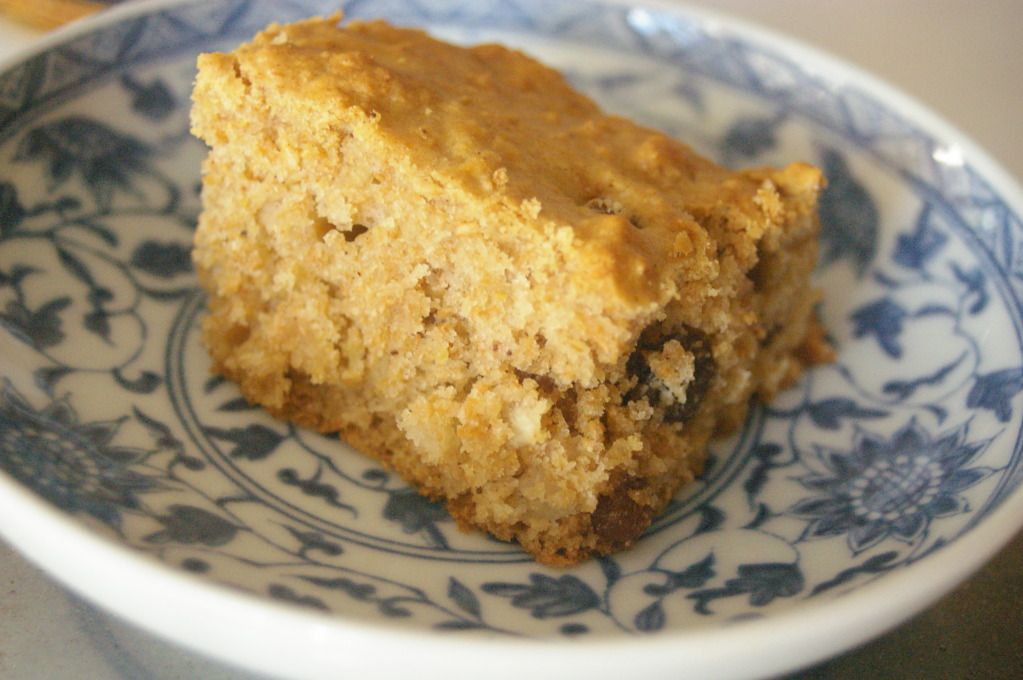
In case you didn’t hear, I am working as what’s known as a Tuckshop Convenor alongside another lady at my children’s school. I’ve been in the position for nearly 2 months. The Tuckshop Convenor runs the school canteen, or tuckshop, as we like to call it here in Australia. If you’re in Australia, no doubt you’ve probably heard of the “Smart Choices” initiative which is encouraging school canteens to sell more healthy food as per the guidelines set out by the State government.
The other convenor and I are very similar in the foods we like to cook and provide for our family. We’ve transferred that over to the school tuckshop and we’re seeing very favourable results. We’ve basically rewritten the menu at the start of the year and except for hot dogs and party pies (mini meat pies) everything we make is made from scratch and it’s made with love. These initiatives are an absolute ‘minefield’ of facts and figures, fors and againsts and a whole lot of contradiction, if you ask me. We’re still trying to get our heads around it and I’m not sure we ever will. Let me explain.
The “Smart Choices” initiative has ‘rated’ foods into three different categories. Green foods are those that ‘tick’ all of their healthy boxes and should be served in abundance. According to this initiative, these are foods that are excellent sources of important nutrients and are low in saturated fats/sugar/salt. Amber foods are foods that have some nutritional value and have moderate amounts of saturated fats/sugar/salt. Lastly, red foods are foods that lack adequate nutritional value, are high in saturated fats/sugar/salt and may contribute to excess calorie intake.
Green Foods
When you look at the document which we have to abide by, these are foods that belong to the five basic food groups and include bread, cereals, rice, pasta, noodles, vegetables, fruit, reduced fat milk, reduced fat yoghurt, reduced fat cheese, lean meat, fish, poultry, eggs, nuts and legumes. Water is also included in this group. I totally agree with this and this is the regime I try to implement at home. This is what I learnt from my mother and what I learnt in Home Economics class at high school but what I don’t get is the reduced fat part, especially for my 11 and 9 year olds. In the 1960’s, when I was born, there wasn’t such a thing as reduced fat and there wasn’t in my mother’s time nor my grandparents time. And guess what? There wasn’t a problem with obesity as we’re seeing in the world today. So many things are added to foods when you take out the fat, for example sugar and salt. When we started to introduce reduced fat, lighter versions, low fat etc etc, that’s when we started to see a rise in obesity. That and a lack of exercise. When I was a child, we didn’t stop until we went to bed. If we weren’t running around at school, we were running around the streets playing with the neighbourhood kids until Mum called us to come in when it got dark.
From the “Smart Foods” Initiative, the foods they suggest are green foods and should be served in abundance. They are as follows:
Breads: White, multigrain, wholemeal, rye, hi-fibre breads or rolls including: burritos, English muffins, focaccia, lavash, Lebanese, pita, raisin/fruit, tortillas and Turkish. Some corn crispbreads and rice cakes also fit into GREEN.
Cereal foods: Rice, pasta, noodles, polenta and burghul (often used in tabouleh salad).
Breakfast cereals: Wholegrain breakfast cereals that are high in fibre and lower in salt and sugar.
Vegetables: Fresh and frozen vegetables used in a variety of different ways.
Fruit: Washed fresh fruits, frozen, canned and dried fruits.
Legumes: All forms of prepared beans and peas – baked beans, red kidney beans, soy beans, mung beans, lentils, chick-peas, peas, bean curd, tofu and pappadums (made from legume flour).
Reduced-fat dairy products: Reduced-fat milk (plain and flavoured), yoghurt, cheese and custard.
Lean meat, fish, poultry and alternatives: Lean chicken, beef, lamb, pork, canned tuna and salmon, and eggs. Unsalted plain and mixed nuts.
Drinks: Water is the best drink and a great thirst quencher! Reduced fat milk and soy drinks also fit into the GREEN category.
Let me continue with the other foods in these groups.
Amber Foods
This is a really ‘grey’ area for me and you could basically put any food item in this category and probably the most confusing part for me. For example, if you were to make a banana muffin say with wholemeal flour and you use full fat milk or butter, does it automatically become a ‘red’ food item and not allowed to be served? I think this is where it’s bureaucracy gone mad. Let me show you the food list as suggested from the “Smart Choices” initiative.
Full-fat dairy foods: Milk (plain and flavoured), yoghurt, frozen yoghurt, custard and cheese. Full-fat flavoured milks in large serve sizes can contribute excess energy (kilojoules).
Savoury commercial products: There are many savoury commercial food products in the marketplace. Check labels against the nutrient criteria to ensure products fit into AMBER and not into the RED category. Examples include savoury pastries, spring rolls and dim sims, pasta products such as lasagne, pizza, oven-baked potato products, sausages, frankfurters, meat patties (not crumbed), meat balls and chicken drumsticks. Choose foods from a registered product list.
Processed meats: Use in small amounts only, as larger serve sizes can provide too much saturated fat and/or salt. Examples include devon, ham, salami, bacon, chicken roll, corned beef and pastrami.
Margarine, mayonnaise and oil: Choose polyunsaturated or mono-unsaturated varieties and use sparingly. Make sure you can see the bread through the spread!
Spreads: Use sparingly. Choose reduced-salt varieties where available. Examples include peanut butter and other nut spreads, fish, chicken and meat paste, yeast and vegetable extract spreads.
Sauces and gravy: Use sparingly. Choose reduced-salt varieties where available. Examples include tomato sauce, sweet chilli sauce and gravy. Some sauces (for example satay) also contain nut products which are a common allergen.
Snack food bars: Check the label against the nutrient criteria. Examples include breakfast bars, cereal bars and fruit bars.
Savoury snack foods and biscuits: Check the label against the nutrient criteria. Examples most likely to fit here include oven-baked snack biscuits, popcorn and some dry biscuits.
Cakes, muffins and sweet biscuits: Check the label against the nutrient criteria. Some un-iced cakes, muffins and sweet biscuits that are a small to medium serve size or have been modified (for example reduced levels of fat and/or sugar and include fibre) may fit into the AMBER category.
Ice-creams: Ice-creams that are not coated in chocolate, premium or of a large serve size are likely to fall into the AMBER category, such as plain milk-based ice-creams and frozen yoghurts.
Ice blocks, fruit-based ice confection and slushees: Check the label against the nutrient criteria. Watch the serve size and choose carefully.
Drinks: Stock fruit juice of no more than 250 ml, as in large amounts it can contribute excess kilojoules. Fruit drinks – choose those with greater than 50% fruit juice. These drinks contribute to tooth decay because of their high acidity level and should not be consumed frequently. Full-fat soy drinks also fit into the AMBER category.
Breakfast cereals: Refined breakfast cereals with added sugars and/or saturated fat fit in the AMBER category.
This is the confusing part. On one hand they are suggesting we promote ‘green’ foods, ie foods containing whole grains, lots of fresh fruit and vegetables, reduced fat milk, cheese and yoghurt, lean meats and water but on the other hand it’s okay to serve full fat dairy foods, margarine (for goodness sake!), processed commercial products like pastries, savoury and sweet processed foods that we should check the nutrient labels, ice creams and ice blocks, juice that contains at least 50% fruit juice (what happened to 100% juice?) and refined breakfast cereals with added sugar. Like what?
The other convenor and I are luckily pretty good cooks and if you know me, I like to make everything from scratch as does the other convenor. I just can’t understand the hypocrisy with this initiative. This is what they define as a ‘red’ food.
Red Foods
Sugar and artificially sweetened drinks: Soft drinks, artificially sweetened soft drinks, energy drinks, sports drinks and flavoured mineral waters
Confectionery/lollies
All types Deep-fried foods
All types Savoury snack foods: Crisps, chips and other similar products
Ice-creams Chocolate coated and premium ice-creams
Cakes, muffins, sweet pastries and slices: Croissants, doughnuts, cream-filled buns/cakes, sweet pastries, slices Medium to large serves of many cakes and muffins
And I get that. But from the start of 2017, they have stipulated that if any food contains chocolate or is iced, for example, that will be deemed a ‘red’ food and only be available on two occasions per term. How does a homemade chocolate chip muffin, made with butter, flour, eggs and real banana and probably 10 tiny chocolate chips become a banned food over say a commercially produced muffin (amber food) with ‘who knows what’ ingredients in it that you need a science degree to work out what the ingredients are? I’m just not really understanding it at all.
And don’t get me started on the margarine over butter or reduced fat dairy products over full fat ones. We’re talking about children that are aged between 5 and 12, at the very oldest. I don’t have a medical degree or am an expert in nutrition but I know what constitutes natural, wholesome ingredients and how they should be cooked. After a bit of searching on the Internet, I found these interesting facts.
- Children need fats.
- Low-fat foods can create fatty-acid deficiencies.
- Children especially need saturated fats and cholesterol to maintain healthy tissues and healthy cell membranes.
- Cholesterol and saturated fats from breast milk, organic eggs, cream, coconut oil, and meats are essential parts of your child’s diet.
- A diet high in polyunsaturated oils impairs growth and learning, and promotes heart disease, cancer, and immune system dysfunction.
- Saturated fats are necessary for calcium to be effectively incorporated into bones.
- Omega-3 fats are retained better in tissues in the presence of saturated fats, and saturated fats promote healthy immune systems because of their antimicrobial properties that prevent the buildup of harmful microorganisms in the digestive tract.
- Saturated fats do not cause heart disease, they prevent heart disease and cancer.
- Cholesterol acts as a precursor to vital hormones including sex hormones and corticosteroids that protect the body against heart disease and cancer.
- Cholesterol is also a precursor of vitamin D that is essential to bone growth.
And the list goes on. (Source) That’s not the only information out there that supports the diet include saturated fats from natural resources. It’s common sense really. Both of my grandmothers lived well into their 90s eating a diet of natural foods, full fat cheese and milk, homebaked goods with a little bit of sugar, fat from the meat (which adds flavour) and both ate very little, if any, processed food. One of my grandmothers was raised on and had her own dairy farm for many years before her and my grandfather retired. I can remember as a young girl dipping my finger into the cream that sat at the top of the vat in their dairy. My grandparents won prizes for their cream. What’s happened with the world?
Sure there’s an obesity problem with both children and adults alike in the world but I dare say that the problem isn’t from full fat, natural food. It’s from processed food and little or no physical activity. I don’t think you need to be a rocket scientist to work that out.
The other convenor and I are off to a Tuckshop Convention this coming Saturday and I’m sure we’re not the only two who are up in #tuckshoparms about this issue. I think a lot more will be said before (and hopefully not) this initiative is fully implemented.
[Tweet “We’re up in #tuckshoparms about the @smartchoices. Real food over reduced fat, processed food any day.”]