Showing posts with label frugal. Show all posts

Thursday, April 6, 2017

What is the true value of the things you buy

I don’t go shopping much anymore. Some weeks I don’t go near the shops. It’s just a lifelong habit I’ve got into from years of living a frugal lifestyle. I only get what we ever need but it got me thinking about what is the true value of the things you buy whether that’s food, clothing or whatever.

What is the true value of the things you buy? Domesblissity.com


Dinner time is and has always been for me, for the last 10 years, a struggle for my daughter and I. It’s a long story but I got to thinking about the actual price of the food I serve and what she doesn’t (or won’t) eat. I don’t spend much on food and we always eat well but with me not going to work and trying to save every cent I can, it still makes me mad when she wastes food, or more to the point, just won’t eat it.

I started putting the price of the food, and other things we buy as a rule, into an ‘hourly rate’ or how many hours of work I’d have to do to pay for those things. This is what I came up with.

How much is a parent’s hourly rate?

For those of us who are parents, you only know too well how it is to take on the role of teacher, carer, nurse, taxi driver, cook, cleaner, etc etc.  What is the hourly rate for that? I know we don’t get paid for it but if we did, I’d have to say it would be a large amount. Because we don’t get paid, it’s even more vital that what we do buy is carefully thought about and how it will benefit or be of use in our home.

Domesblissity - busy mom mum

Even if we were to get say $40 an hour. The job of parenting never stops. It’s from sun up to sun down (and in between). It’s Monday to Sunday, every week of the year from the day they’re born. At 24 hours a day, 365 days a year that works out to about $349,440 per year. Imagine that? That would be our mortgages paid off, overseas holidays and maybe a new car every couple of years. Unfortunately that’s not a reality so those of us who choose to be stay at home parents, taking special note of what you buy is even more critical.

Is spending $40 on a takeaway meal justifiable when you aren’t earning $40 per hour? Is that new decorative item from Kmart (plus the other impulse purchases you made) that total $40 worth it? If you’re wondering how to save money and stay on top of the household budget, it’s important to note that the purchases you make are absolutely necessary or ask yourself “can I make this cheaper myself”, “can I use something else I already have” or “can I make sure I stock the basic ingredients for those takeaway meals and make it at home”. You can’t spend what you don’t have.

What about if you were working?

So what about if you are a working parent or both of you are working? Both of you might be on $40 an hour or upwards. Does this enable you to make larger purchases like a bigger house, a fancier car, buy takeaway food at least once a week or buy brand new clothes for the family? All those things are maybe affordable but what if one or both of you lost your jobs? Are you able to slip into a routine where you could manage without that extra $40 an hour? Wouldn’t it be better to live like you haven’t got it just in case?

I know when my (now) ex-husband left and I was left with no income other than the allowance from the government welfare I received, that I managed and I managed well. I had worked all my life before having my children and always had money. I lived a frugal lifestyle back then and saved for a rainy day (or overseas holiday). Every day items like clothes were bought secondhand and only when I needed them. Food was still the same basic pantry ingredients but cooked into exotic cuisines I loved so much. This is how my parents and grandparents lived and were always comfortable. They always had money for the bills. Always had food (and good food) on the table and had their homes paid off well before time.

My grandparents were able to sell their dairy farm and retire at the age of 60 and move to the Sunshine Coast here in Queensland and they still lived frugally. My Mum and Dad (who sadly passed away when he was only 59 and ready for retirement) always had enough money to pay for our sporting ventures when we were young and bought us only the best equipment. We didn’t eat much in the line of takeaway nor did we get a lot of new clothes. Mum sewed and we were given a lot of hand-me-downs from neighbours. 

They certainly didn’t earn anywhere near $40 an hour and Mum stayed home only taking in babysitting and sewing jobs to supplement Dad’s income. They had their house paid off when I was in high school. It’s all about priorities and not flittering away your hard earned income on unnecessary expenses.

What is the cost of the products you buy?

There’s a huge phenomenon here in Australia at the moment with everyone being crazy about shopping at KMart. The KMart marketing team have done so well to instil a real love of the discount variety store with consumers that they just can’t walk past it without popping in and picking up some little thing. Sure, there’s a lot in there that might be necessary, like underwear for the kids, a new mixing bowl or printer ink. That’s all I go in there for. I’m always surprised by the so called “KMart Lovers” who love cleverly marketed cheap trinkets for the home, the cheap, heavily discounted clothing and other cheap wares.

It might be a bargain for $3 for a brand new kid’s t-shirt but think about how much it cost to make, how much profit KMart are making and what did the person get paid who made it. At what price are these imported products being produced? Are they 20 cents each? How much is the person who stands in the factory spray painting those cheap cutlery sets getting paid? What about the young girl who sits at a sewing machine for 18 hours a day, sewing together t-shirt after t-shirt?

My conscience won’t allow me to buy these cheap items, especially brand new. I see them all finish up the secondhand stores after a little while for about a dollar each but still won’t buy them. What purpose do they have in my home other than being a dust collector. KMart brings out the next season’s catalogue a couple months later and you buy the next product they’re promoting. I would rather fill my home with functional items, family photos and drawings and trinkets belonging to my family members that really mean something. If you’re wondering how to save money, bypass the discount variety stores, avoid impulse buys and only buy things you need.

How much will it cost you to make it yourself?

You can’t be bothered cooking dinner so you pick up a $40 burger pack for you and your family. You’re a working parent so you’ve probably earned that (or near to that) in an hour so you can justify it. What about if you had bread rolls and meat patties in the freezer, salad in the fridge, wedges in the freezer and a cheap bottle of fizzy drink in the fridge that cost you all up under $10? It might be a little bit of effort to put together but by the time you add up the wages of the person who cooked those burgers, the person who served you, the delivery costs of transporting the raw ingredients, the store manager’s salary, the marketing and advertising, what is the real price of the actual food? Probably about less than $10 and not very nutritious I bet.

What about that costume for your child’s upcoming fancy dress disco or book week? Do you rush out and spend $20 on a costume from KMart because you can’t be bothered? The costume probably cost about $2 to make in some factory in China. If you looked in your child’s wardrobe and added a few items from the second hand shop, you’d probably come up with a really neat costume for way less than $20 and it would be original.

I’ve seen this meme pop up on Facebook a few times and I have to agree with it. That’s why I don’t buy much craft supplies. Most of the crafts I did with my children when they were young (and still do) come from food packaging that I’d saved. I had a big box when the kids were young that I’d save all the cardboard boxes, lids, rubber bands, etc etc and use other household items like cotton buds, cotton balls etc and I pick up a lot of craft supplies from the second hand shops. I only recently bought a huge bag of beads for my daughter for $3 from the second hand shop. It will last her a lifetime if she decides she wants to make necklaces, bracelets, bookmarks or whatever else.

I’ve always said once my children are older I will start quilting. I just adore them. I have a few that my aunt has made for me and I started a quilt last year using old fabric scraps I had. If I was to take the hobby up now, starting new, I would need a bank loan to buy the fabric. It is so, so expensive but there are so many people doing it. There are fabric designers, pattern makers who bring out books. It’s quite trendy to be making the latest collection of fabric into a quilt but at what price? Will it cost you $500 for the fabric and notions by the time you finish it? Early modern quilting was a way to use up scraps of fabric and remake them into something useful for the home like bed coverings, mats or heavy duty curtains for example and also a way for women to come together to socialise. No craft shop is going be getting my money for the latest designed fabric just so I can cut it up for a quilt nor are they getting my money on cheaply imported craft supplies. There are so many ways you can make do with things from around your home.

I take a lot of pride in my home and who and what is in it. Buying a $10 trinket from KMart isn’t going to benefit my family one bit. An organised home that we all pitch in to clean and keep tidy is our sanctuary and my family’s safe place to be. I truly value my hourly rate and what I spend it on. It will go towards items that are needs and the rest will be put away for a rainy day, a holiday or an experience for the family. What price can you put on the people in your life over the useless products that are available for purchase today?

Think of your time as a dollar value and it might help you to see the value in the products you buy. If you’re a stay at home parent this should make it easy to think twice about making an impulse purchase.

Developing these new habits and really thinking twice about what you buy and how it will benefit you and your family will certainly help you create the lifestyle you want instead of “keeping up with the Jones’s”, following trends, feeling the fear of missing out on what everyone else is doing and having the money to pay your bills on time and keep some leftover for a rainy day.

What is the true value of the things you buy? Domesblissity.com

Tuesday, August 16, 2016

What does frugal mean

Domesblissity what does frugal mean

What does frugal mean? It probably means a lot of different things to a lot of people. It also probably means something totally different to say people from our grandparent’s generation. To them, it was just a way of life.

Today, it might mean to a lot of people that you’re doing it tough and it’s the only way you can live. To those of us who do live a frugal life, it’s a whole different thing. It is a way of life but it’s for a totally different reason.

When I was young

When I was a young girl, helping Mum around the house, she would do things like wash the plastic bags and reuse them. She’d put new elastic in our underwear when it overstretched and when they were thread bare, she’d only then buy new ones and use the old ones as dusting rags. Mum would put a stocking over the broom to get cobwebs that were on the ceiling not buy a brush specific for brushing cobwebs. The vegetables scraps went in the compost.

Source

Our banana peels went in the staghorns for fertiliser. Orange juice was of the freshly squeezed variety and the skins were boiled up for an all purpose cleaner. I could go on and on with Mum’s frugal ways but to her, it was a way of life. Mum and Dad were a one income family with a mortgage and 3 daughters and I don’t remember once feeling like I was missing out on anything. We played club sport, went on camps and sporting carnivals. They bought us all the sporting gear we needed and the shoes to match. We had an annual 2 week holiday every year for as long as I can remember. All those little frugal things she did allowed that to happen.

Source

My Nanna’s Generation

As for my grandmother, she was even more frugal. The big hardware stores around now would’ve gone broke long ago back in my Nanna’s generation. I don’t think she ever set foot in a hardware store to buy a plant pot. She would use a jam tin or yoghurt container, that is when she actually bought jam or yoghurt. She nearly always made her own from the produce she grew. She sewed all her own clothes. She made hats to match, she only owned 3 pairs of shoes. One pair for going out and to church, one less casual and yard shoes. I don’t think she owned slippers because when she was in her pyjamas, she was in bed. She was up dressed and ready for a day’s work up until she passed away at 93 years of age.

Source

Not a single thing was wasted. It was reused and recycled. She didn’t buy it if it couldn’t be recycled. She saved the small bits of soap (only Sunlight soap used for bathing and washing) to be used for creating suds to wash the dishes. She saved every envelope and that was her note paper. Nanna used to crochet plastic bread bags and create toys or cover coathangers with them. To her this was a way of life. In my eyes, Nanna and Poppa were probably wealthy dairy farmers. They retired to a beautiful property on the Sunshine Coast here in Queensland after working hard for nearly 40 years on their farm but still, they kept their frugal ways.

Make conscious purchases

Being frugal isn’t just about living a life less wasteful. It’s making conscious purchases. It’s about thinking about every single thing you purchase or are about to purchase and ask yourself “do I need it, is going to last, can it be repurposed for something else”. 

We are so blessed in this generation to have all the modern conveniences but still we want more. We have become so wasteful. If a TV goes “on the blink”, we throw it out and buy a new one. They are designed not to last like they used to. Same with just about every other appliance.

Be self sufficient

No one wants to mend clothes these days. I see so many young men and women walking around with the hems coming down from their pants or skirts. No one knows how to mend. Everyone is so time poor, they don’t feel the need to be prepared enough to make a nutritious hearty meal at home but spend an exorbitant amount of money on takeaway that has nothing nutritious in it but rather is laden with calories our bodies just don’t need.

Everyone wants two cars, a house full of furniture and knick knacks just because a store advertises it. Instead of getting a mortgage on a house you can afford, people are getting the most expensive house with 4 bedrooms, 2 bathrooms, a double car garage, dishwasher, built ins and the list goes on. No one is living within their means let alone living a more ‘frugal’ life.

Frugality isn’t a poor man’s way of life but rather a way of life that does make you rich. It makes you rich in a more satisfying way. You won’t have the stress of debt because you won’t need all the latest http://www.mazdacx3.org/forum/members/194-Paulsen things. You will be satisfied with the things you need. You’ll soon find your savings will go through the roof, you’ll be on time with paying your bills and you’ll have money for a regular family holiday that will create lifelong memories for you and your family.

My 10 rules for a frugal life

These are my 10 rules for living a frugal life:

  1. Before buying anything, ask yourself do you need it.
  2. Buy secondhand first. There is absolutely nothing wrong with second hand clothes, shoes, furniture, homewares, cars etc. 
  3. Don’t be too proud to take something for free. 
  4. Buy food in it’s raw state and not packaged.
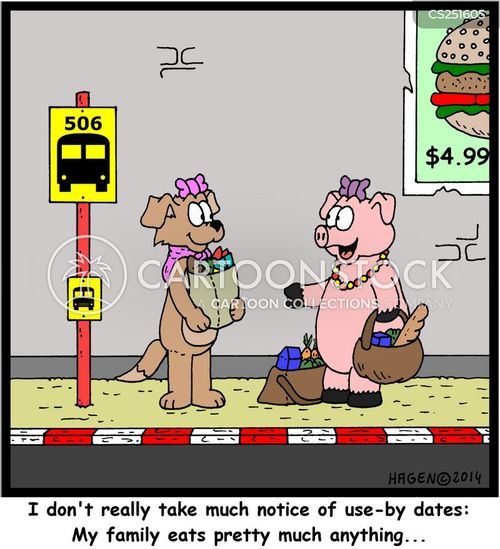
  5. Don’t throw out any food. Know what’s in your cupboards and fridge and plan your meals. If it’s nearly at it’s use by date, freeze it until you can use it.
  6. Don’t feel the need to have everything at once. 
  7. Before you throw it away, ask yourself can I reuse this?
  8. Get the most wear out of your clothes by mending and upcycling.
  9. Don’t get caught up in advertising campaigns from stores. (See Rule # 1.)
  10. Instead of feeling satisfied by buying and having stuff, think about having experiences that will last a lifetime and won’t harm the environment.

You don’t need to implement them all straight away. Just changing one thing at a time will help you get to living a more frugal, better way of life.

Source

Save the planet…yes, really!

I wouldn’t say I’m a “greenie” but commonsense must prevail. I want this planet I live on to be around for future generations and the way consumerism is taking over the world, I’m afraid that Mother Nature will give up one day and there won’t be anymore planet Earth to live on. Our natural habitats are being destroyed at a rate of knots to make way for new houses, new stores. Our rainforests are being cut down to make way for growing crops like soy beans to be fed to chickens so they can end up as chicken nuggets for the big takeaway companies. Does that sound ridiculous to you? It does to me!

In the space of 30 years of my life, I have seen such a drastic change to our way of life. The frugal way of life I was raised in and the generations before me has been taken over by an instant gratification, keeping up with the Joneses’ mentality that just doesn’t make sense to me. Social media has a large part to play for instilling in most of us a ‘fear of missing out’. Just because ‘someone’ posts a new outfit they’re wearing or a new homeware, for example, well we must get it because that person is a ‘someone’,they’ve got it and we’ve just got to have it. 

42276005-1-f

Forget bargains

It’s not a bargain unless you need it. You don’t need that $8 whatever from KMart just because it’s in the catalogue. KMart will have you back there in a fortnight’s time purchasing the next $8 whatever and your home will be full of KMart whatevers until it becomes out of control and the only place for these things is the tip. That’s when I’ll come along and pick it up for 50 cents from the secondhand store because I want to turn it into a gift for my children’s teacher at the end of the school year.

Instead of thinking about being frugal as something old fashioned, something that our grandmothers did or something stuffy or second-rate, think of it as a way of life that can only lead you to a less stressful, less cluttered, more meaningful life, before it’s too late for your children and your children’s children.

In the news

Speaking of being frugal, I was lucky enough to be mentioned in an Australian news article a couple weekends ago. (Thanks Denyse for letting me know.) I was very surprised and felt very honoured. It seems a lot of the younger generation are finally seeing that the frugal life is not so bad after all. Young, professional woman are taking up the challenge to copy the latest fashion trends by sourcing out vintage or designer brands from thrift stores.

Roadside Find

The challenge that goes with picking up a ‘roadside find’ for free and giving it a lick of paint and a bit of elbow grease could quite possibly become a family heirloom. I found the above 2 outdoor chairs (there were 6 but I only needed 2) on the roadside and covered them with hessian (burlap), pillows and everything else we had. Even though I could’ve afforded to buy them new with new cushions, I didn’t want to. Why would I pass up 2 chairs for free? Not heirlooms but functional pieces that were needed for a new spot in our garden. I didn’t need them straight away but rather waited until I spotted something that would suit. The freebies just popped up at the right time.

Frugal means so much more to me than recycling and making do. It’s definitely a way of life that shouldn’t be lost and everyone should be adapting it, as a matter of urgency.

what does frugal mean

Wednesday, April 6, 2016

Knowing the difference between hoarding & being frugal

Knowing theDifference

So how do you know if you’re becoming a hoarder or just hanging on to things to be frugal? I found this out after my husband and I decided to have a big clean up at home. I wanted to finally get my craft and sewing supplies together and I knew they were in a few different places in the house. I thought, if I’m going to do this, I want them all together and then sort them into groups so I know where they all are. I’m talking about years of accruing supplies plus inheriting supplies from my Mum, my grandmother and, more recently, my mother-in-law. I just can’t bare to part with any of it but when I got it all together I had to ask myself “is this the first sign of becoming a hoarder or are your frugal ways taking over the house?” I had to start asking myself was all this stuff really worth hanging on to.

When I was a young girl, my grandmother never bought a piece of stationery. Well, perhaps maybe a pen or pencil but only when it ran out of ink or the pencil had been sharpened so small you couldn’t hold it. She kept rubber bands that were around the mail or newspaper. She saved envelopes and used them as notepaper. She saved the cardboard from cereal boxes to use for patterns, crafts or I remember she’d stick a pretty picture on it and make a jigsaw puzzle out of it for us to play with. She saved tin cans to pot plants in. Plastic containers were used to freeze stewed fruits or leftovers. I don’t think she owned a piece of Tupperware. She held onto all these things yet her house wasn’t cluttered. Why is it that I felt like I’ve just got too much of everything?

buttons-586199_1920

I’ve tried following my Nanna’s methods but my crafting supplies are bursting at the seams. I always hang onto things thinking that they might come in handy one day and they usually do. Trouble is I need another house to store them. I know I managed quite well before I inherited all those extra supplies but there is so much sentimental value in these items. Things like wooden thread spools, vintage buttons and notions, vintage tins and all sorts of treasures (to a crafter, that is). These kind of things are irreplaceable and I’ve used some of them already in crafts. 

12317737_1712537612312423_1919544997_n

My late mother-in-law was an avid crafter and she loved crochet, embroidery, cross stitch, knitting, quilting and many other things. When she passed away it seemed just awful to donate or throw away all her supplies so I was lucky to get them. There is enough crochet cotton and wool to last me a lifetime. Will I use it all or am I just taking up valuable space? I kind of think that if I’ve got the room, which I have in the form of a double shed in our backyard, I can hang onto these and other sentimental items. It’s just organising it all. Craft supplies have become very expensive and I just can’t see the sense in paying money for some of these craft ‘kits’ when you can find most of the supplies in your house already. With all the sorting, tidying and decluttering I’ve been doing these last few days, this is what I do when determining if it should stay or go and how to keep on top of it.

When decluttering, group similar items

I found this the best strategy. I didn’t realise how much of everything I had until I grouped it all together. Things like stationery, craft supplies, sewing stuff, kitchenware. Once you see it all together you can cull it, once and for all. I’m still yet to finish the stationery because I found yet another cupboard full of it in the shed. I swear this stuff multiplies when I’m not looking. You see, here in Australia, our children get given ‘book lists’ at the end of every school year which lists the stationery they’ll need for the next year. It’s got out of hand, in my opinion. When I went to school, we had 2 pencils, a ruler, an eraser, a sharpener, a pair of scissors, a couple exercise books and a box of colouring pencils, and that usually lasted you a couple of years. These days they need a couple boxes of everything. I know they’re not expensive but my daughter is in her seventh year of school and boy, have I accumulated some stationery. I say every year that I’m going to send her with the things she had in her current year but never do. I’m certainly going to do that this year. Between her and my son, I’ve got enough school stationery to start my own shop!

I will, however, bundle up exercise books that have only had a couple pages used and rip them out, pencils, erasers, sharpeners and anything in excess and donate to a charity that takes them for less fortunate people overseas. Check your local charities to see if they do this.

When you’ve finished going through everything, store somewhere convenient and label where things are and keep it all in the one place. That’s your ‘go to’ point when you need stationery. When my husband moved in, he brought his stationery with him and he’s an enthusiast, like me but I’m donating a lot of it now. We will never go through what we have in a lifetime and no more! I think I can confess to being a stationery hoarder.

Don’t buy new unless you’re 100% certain you don’t have it

Having items stored in the one location, you’ll be sure to know if you have it or not. Because of the lack of organisation in my life these last couple of years and combining two households of ‘stuff’ when my husband moved in, I lost control of exactly what I had.

For example, if I needed a rubber band, do you think I could find them? No, so I’d go and buy another packet. Again, these items aren’t really expensive but who needs that many rubber bands. As I mentioned above, my grandmother never bought a rubber band in her life because they’re always around the mail or junk mail. Start a rubber band ball whenever you get one. You’ll be surprised how quickly that grows.

Check the use by dates of products

I often go through my pantry and pharmaceutical supplies to check the use by dates. This is a great way to keep on top these things and avoid hoarding them. You can also use the opportunity to use products that need to be used up and throw away medicines or lotions that have passed their use by date.

If you’ve got the room, keep it

Not everyone has a double shed in their backyard like we do but I make the most of it and use the space to store things so I don’t have to buy them again. Things like wool, crochet cotton, excess stationery, craft supplies etc. I was recently working on a craft project and I was positive I had some decorative small rocks. I searched and searched and eventually found them but hanging onto that small bag of rocks did come in handy. It saved me having to go and buy more. (If I couldn’t find them I would’ve used rocks from the garden but you get the idea.) I have so many tubes of paint that I’ve held onto over the years because the kids get the urge to paint and I don’t have to go and buy more. 

10311313_1047123872012149_1184747838_n

Look out for frugal buys from charity/thrift stores

I know I’m trying to avoid people hoarding but I’ve found so many little bags of embellishments for craft projects or wrapping paper, for example, for next to nothing from thrift stores. I know they don’t take up room and if I keep them all together in the one place, for example, setting up a wrapping station, you’ll always have a constant supply of these sorts of things. There’s nearly always an occasion to wrap a gift or if you have children that enjoy crafting, like my daughter, they’ll find a use for everything. I use a lot of embellishments for all sorts of projects. Just about all of my wedding crafts were created from things I had found over the years and I utilised what I had. I must admit, I was organised when it came to storing these things.

Of course, if you’re not crafty or a sewing enthusiast, you can still apply the same practice to buying anything. Things like food, magazines, kitchenware, clothes, jewellry, shoes etc etc. You can read the current issues of magazines at the library but if you have a young child who likes to cut pictures from magazines, buy a couple from the thrift store. These can be kept in a box with your craft supplies. Know what you’re buying, food wise, and use it up before the use by date. If you haven’t worn an item for 12 months or it no longer fits, donate it. And so it goes on.

I used to be so organised before having children, to the point of being anal so these last 10 or so  years really has troubled me, not knowing exactly where everything is at all times and not having what I do own organised. I’m slowly getting there now my children are older so feeling a lot better. I guess it was a small sacrifice to make because I got to spend a lot of time with the children and not worry about whether my craft supplies were all lined up straight in a box or my pencils were all sharpened. 


Sunday, January 17, 2016

Podcast # 2 - Treat your home budget like a business

2-podcast

Hello and welcome to my second podcast, “Treat your home budget like a business”. Glad to have you here. Today I talk about why it’s important to me to review my home budget every year and why the start of every year is as good a time as any. 

If you’ve got any questions about home budgets or can offer me any advice about how you manage

your household finances, please leave me a comment below.

[Tweet “Podcast # 2 – Treat your home budget like a business @_domesblissity”]

Additionally, if there’s anything you’d like to know about how I manage my home, my family, any questions at all, let me know and I’ll be sure to feature it in a special podcast, featuring you!

Listen on iTunes

Listen on SoundCloud

Monday, June 27, 2011

Beef & Lentil Pasta Bake and making your meat go further

We’re not big red meat eaters. Not for health, money or any other reason. It’s just that way. We probably do prefer pork above all meats but also eat chicken, fish, lamb and veal as well as other pork products like bacon, proscuitto, sausages and ham. When I budget for the meat shopping, I usually allow $100 from our local bulk butcher and this will last us 6 to 8 weeks, if not longer.

This is because I have learnt to bulk out a lot of meat dishes with pulses (ie lentils, chick peas etc), grated vegies and bread crumbs. Six sausages to a packet when freezing does our family of four quite well. The kids will have a sausage each and I’ll cook the other 4 up into a curry or sausage hot pot of some sort and slice the sausages to serve, which feels like we’re having a lot. Meatballs and rissoles (hamburger patties) are usually mixed with grated or pureed vegies and dried breadcrumbs, or lentils like I have used in this recipe.

Tonight, for example, I had a very simple beef mince and vegie pasta bake which was made with about 200gm (or a handful of mince). It was an 8 serve lasagne dish so it really did go a long way because I added half a cup of red lentils to the meat and vegie sauce before mixing with the pasta. My husband, or the kids, didn’t notice and it tastes really good (to me anyway, well it was eaten and my husband had seconds).

Beef & Lentil Pasta Bake

200gm (handful) beef mince
2 tbs olive oil
1/2 cup dried red lentils (rinsed) or 1 can lentils (drained and rinsed)
2 cups vegetables, chopped (I used grated carrot, cauliflower and green beans)
1 can diced tomatoes
2 small onions or 1 medium onion
2 cloves garlic, crushed
1 cup chicken or beef stock
1 tbs dried basil
1 tbs dried oregano
salt & pepper
1 packet dried pasta shapes (I used small spirals)
1 quantity Bechamel sauce
parmesan cheese

Bechamel sauce:
2 tbs butter
2 tbs plain flour
3 cups milk
1 cup grated cheese

Boil pasta according to directions, drain and put aside.  Fry onions in olive oil until slightly softened. Add mince and garlic and cook until mince is browned. Add rinsed lentils, tinned tomatoes, stock, herbs and salt and pepper. Add chopped vegies and cook until lentils are soft (approx 15 mins). Combine pasta and meat sauce and put in a lasagne dish.

Bechamel sauce:
Melt butter. Add flour and stir until a roux forms (thick paste). Add milk and keep stirring until sauce forms and thickens. Add grated cheese. Top meat/pasta with bechamel sauce. Sprinkle with parmesan cheese and bake in a 180 deg C oven until golden.

Dishes like this are always better the next day and this will take care of my husband’s lunches for a few days as it freezes really well too.