Showing posts with label Greek. Show all posts

Tuesday, October 2, 2018

How to make Greek food at home

It’s really hard for me to choose a favourite cuisine but Greek food, or more generally, Mediterranean cuisine is a definite highlight and so easy to recreate at home. I want to share with you how to easily enjoy Greek food at home.
How to enjoy Greek food at home www.domesblissity.com
 
I love the lip smacking lemon flavour that is added to grilled meat, the copious amounts of garlic, the earthy flavour of oregano, the grilled meats and vegetables, salads dressed simply in olive oil, the Greek yoghurt for it’s creaminess and Kalamata olives. I can eat those babies like candy (and usually do)!
 
It’s the simplicity of the Greek food that I love the most. It’s the definitive meat, vegetables and potatoes meal but cooked simply, served with minimum fuss but with so much flavour.

Main Meals


MEATS:
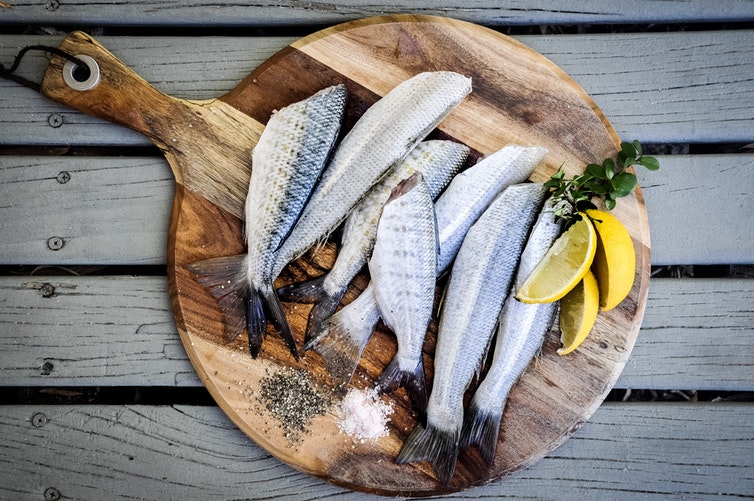
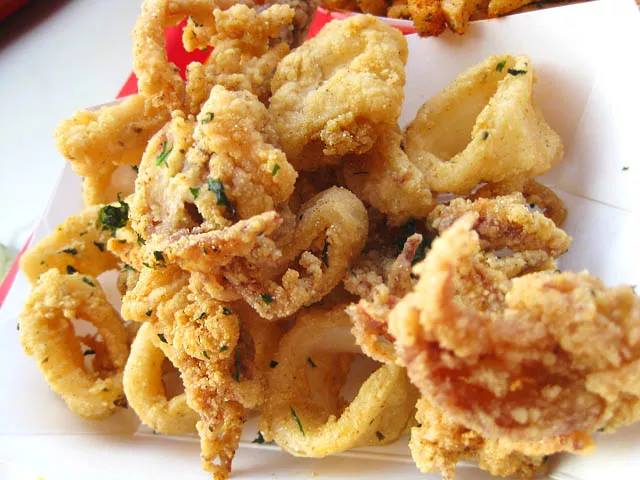
Being surrounded by water, Greece is renowned for seafood dishes. Fish, octopus/squid (or calamari), prawns, lobster or mussels appear regularly on the Greek dinner table. Fish can be simply grilled and finished with a squeeze of lemon, baked with herbs and/or tomatoes, made into croquettes or ‘cakes’ and fried. Octopus is one of their most eaten seafoods and can be purchased at a seafood market usually whole or prepared as a calamari tube or readily available in the frozen section of the supermarket as calamari rings. There are many Greek recipes using octopus if it’s something you’d like to try.
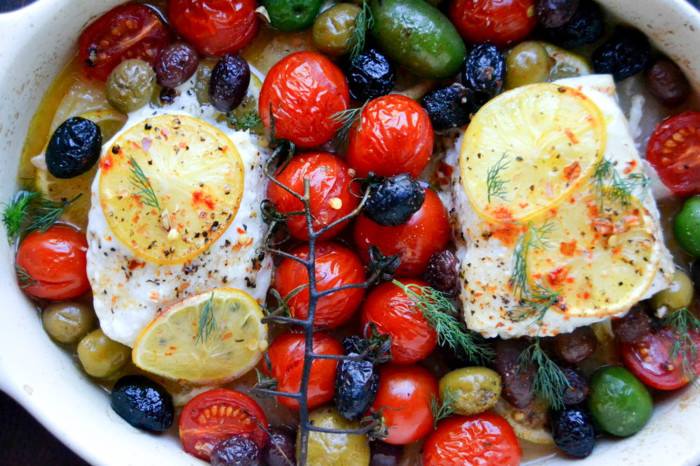
 
Taramasalata is the most delicious dip made from the roe of mainly cod but other fish can be used. It is blended with olive oil, lemon juice and either bread or potatoes. It is available as a ready made dip in the cold section of the supermarket and makes a fantastic addition to a meze platter or dip. It might not sound appealing but it is really, really good!
 
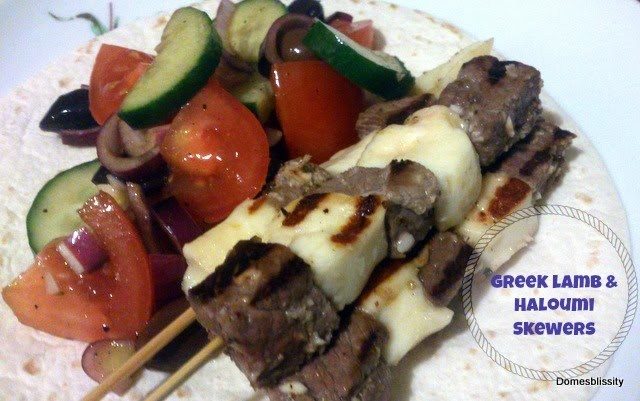
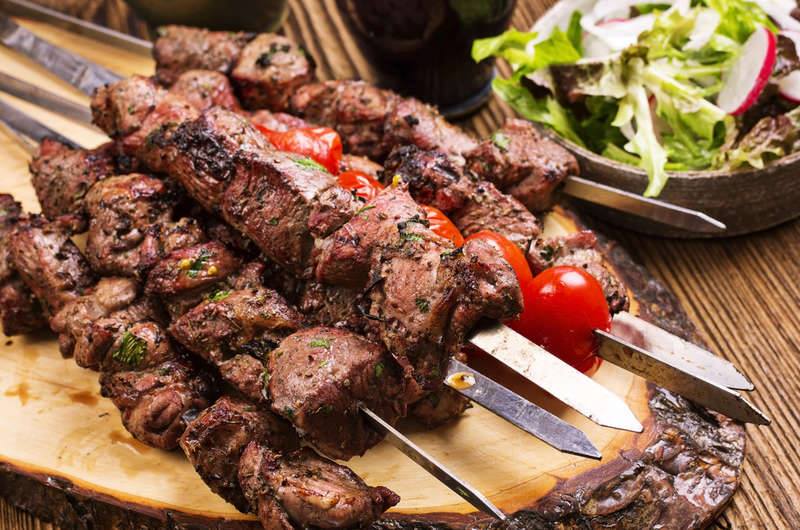
Lamb, chicken, beef and pork also appear regularly in Greek food. It is easily grilled on skewers (souvlaki) and eaten in pita bread with salads and dips.
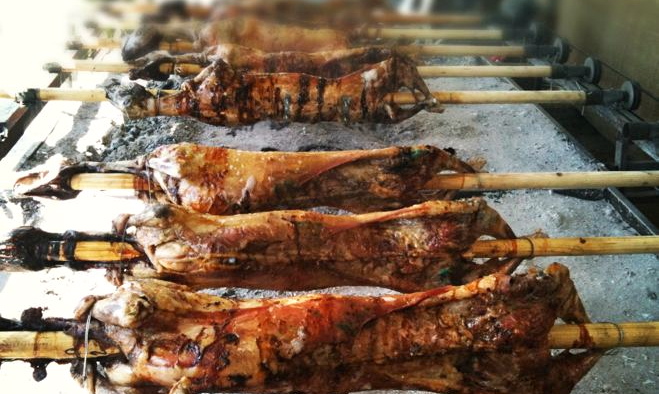
Whole lambs or baby pigs are slow roasted over an open fire for special occasions but you can roast in a conventional oven or use a slow cooker for smaller joints.
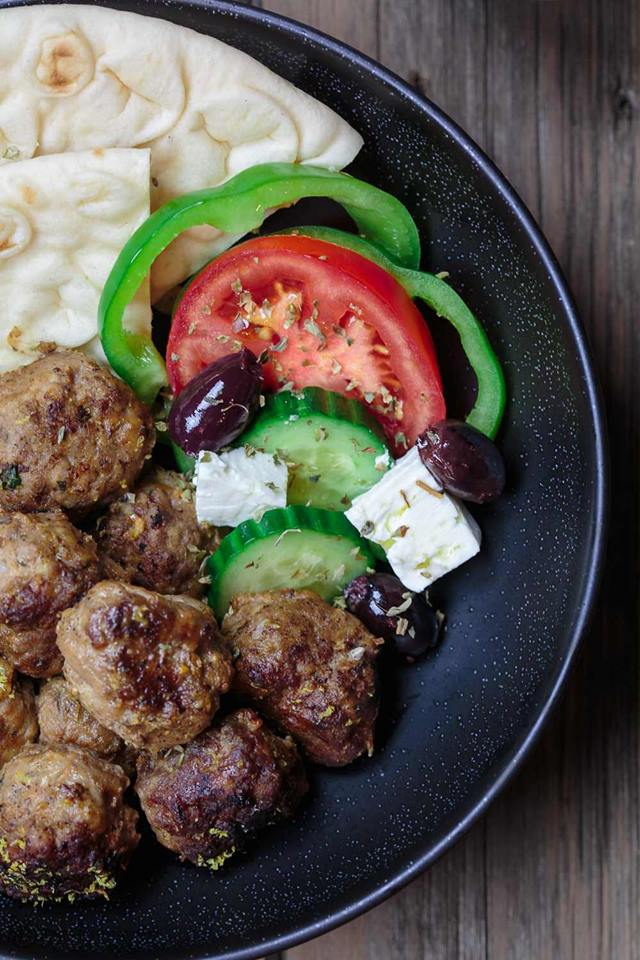
 
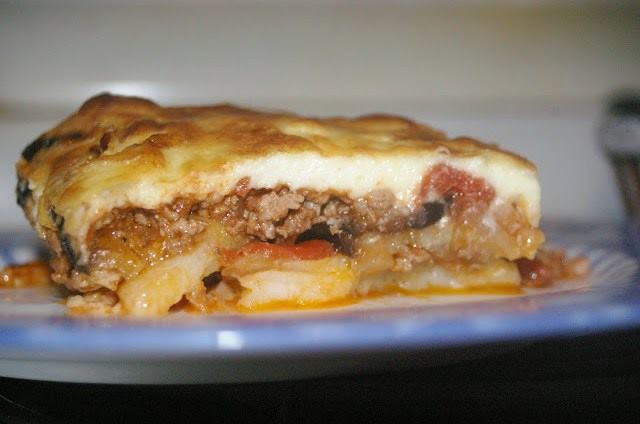
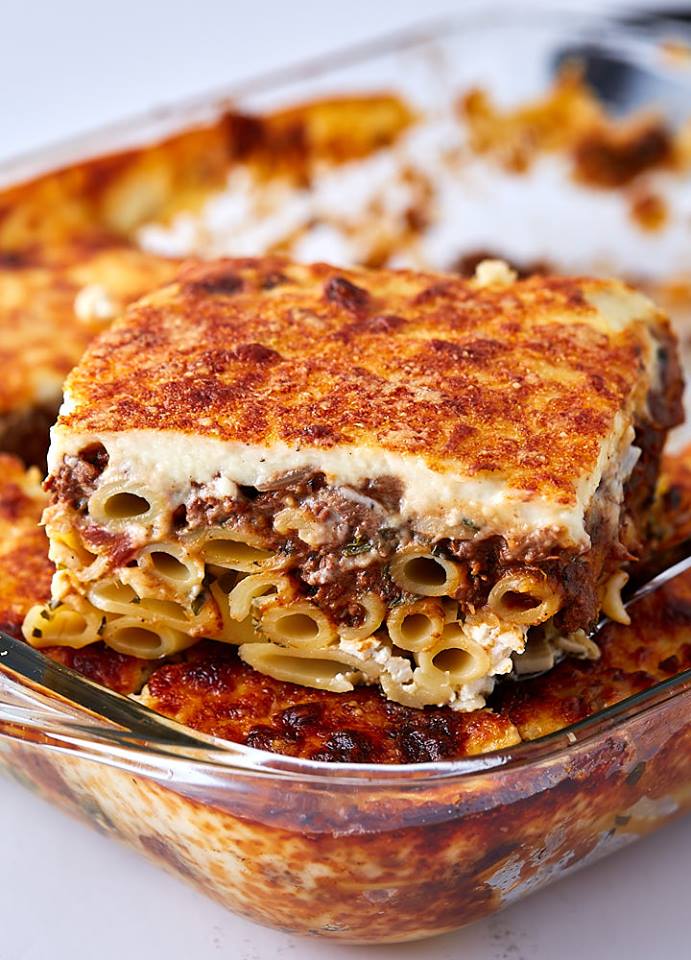
Ground meat is used in Keftedes (meatballs) also skewered or fried in a pan. It is also used in Moussaka or a dish similar to lasagna called Pastitsio. Eggs are added to the bechamel sauce for a more custard-like, rich topping which is delicious!
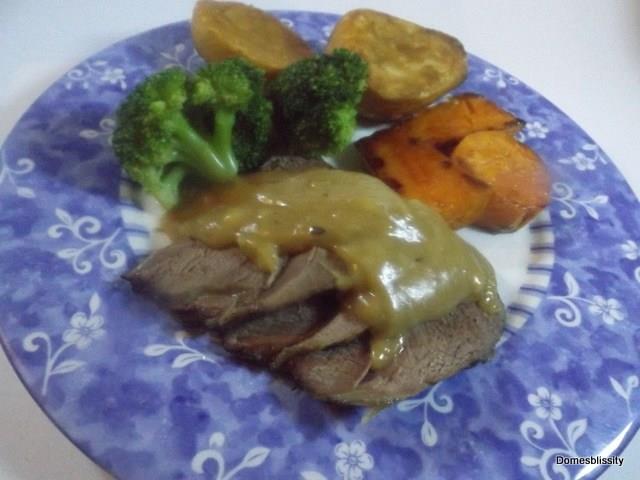
 
VEGETABLES:
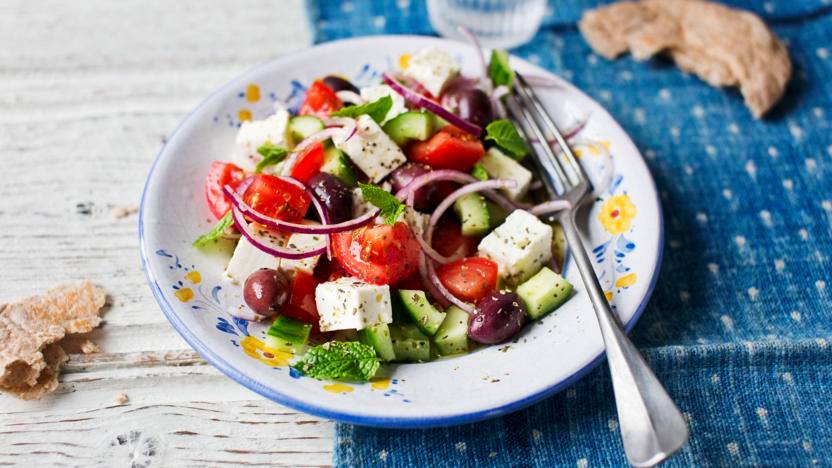
 
Some of the most commonly vegetables used in Greek cuisine are tomatoes, onions, olives, capsicum (peppers), spinach, zucchini (courgettes), potatoes, cucumbers, eggplant, garlic, and other greens. One of the dishes I make on a regularly basis, in summer or winter, is a traditional Greek salad. Simply tomatoes, cucumber, red onion, capsicum and Kalamata olives dressed with olive oil and balsamic vinegar and sprinkled with dried (or fresh oregano) and feta cheese. It is great on it’s own or as an accompaniment to any dish. Make as early as possible to allow the flavours to develop and is best served at room temperature.
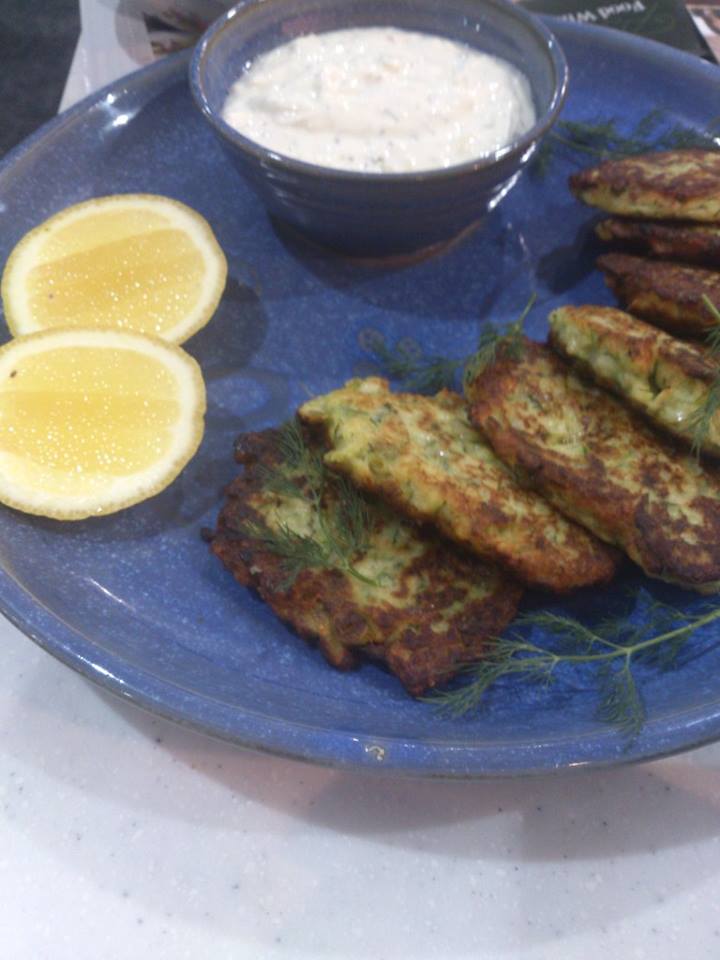
 
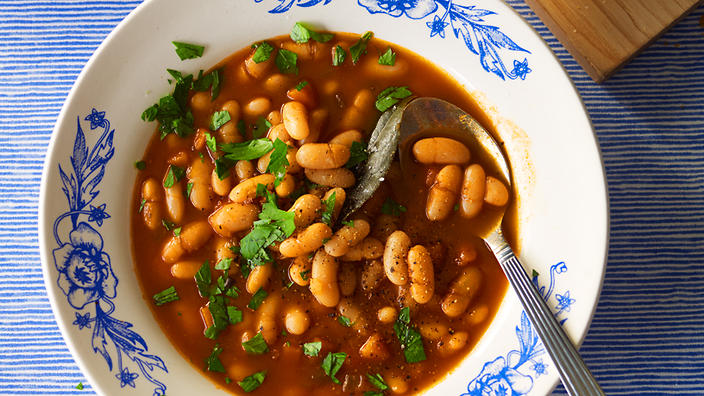
Greeks also love to use legumes like broad beans, chickpeas, lentils, navy, cannellini, black eyed peas and a selection of fresh and dried beans in their dishes which has helped them through lean times and for hearty winter cooking or summer salads.
 
CHEESE:
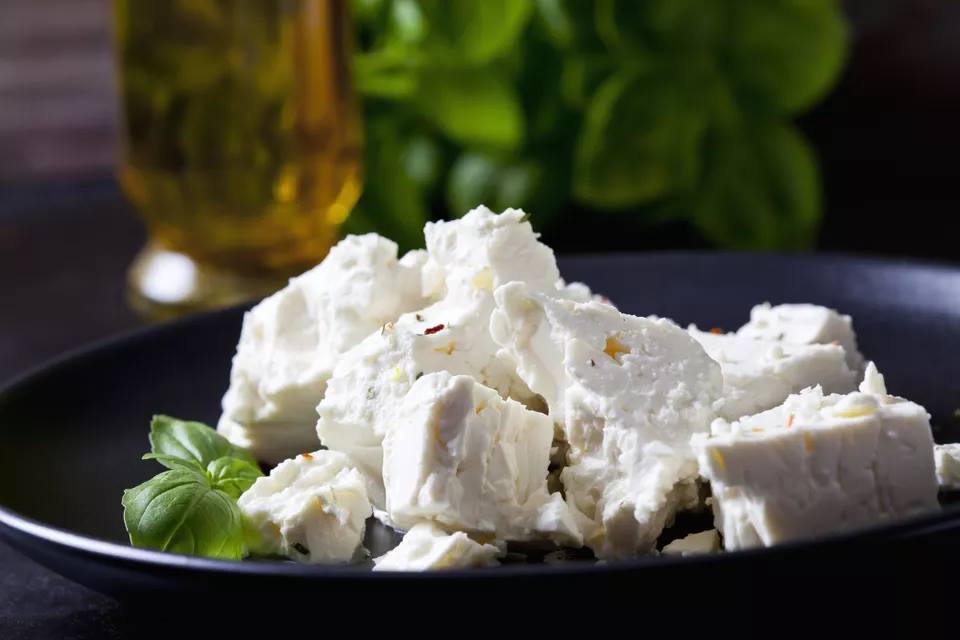
The Greeks love their cheese and unlike our traditional hard, cheddar type cheeses they are made from predominantly sheep or goat’s milk. Some cheeses are specific to a particular area of Greece and not so readily available in the supermarket but might be in a specialist deli if you hunt them out.
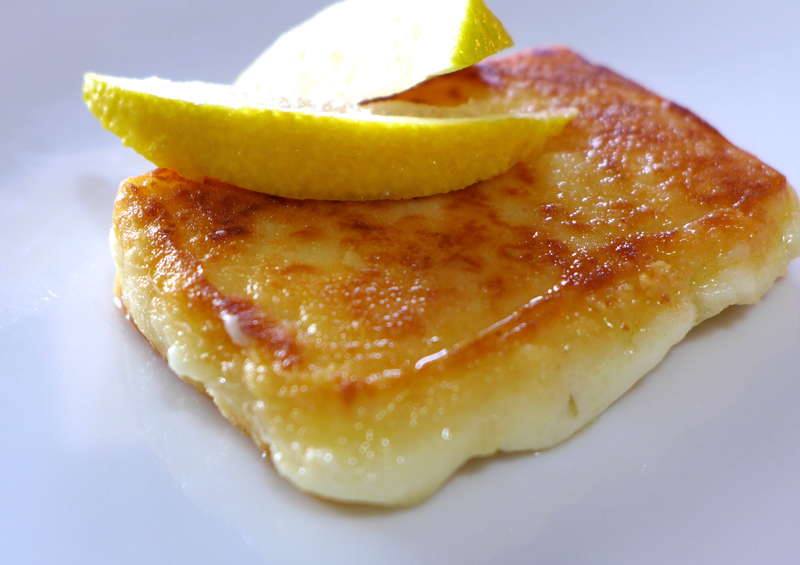
 
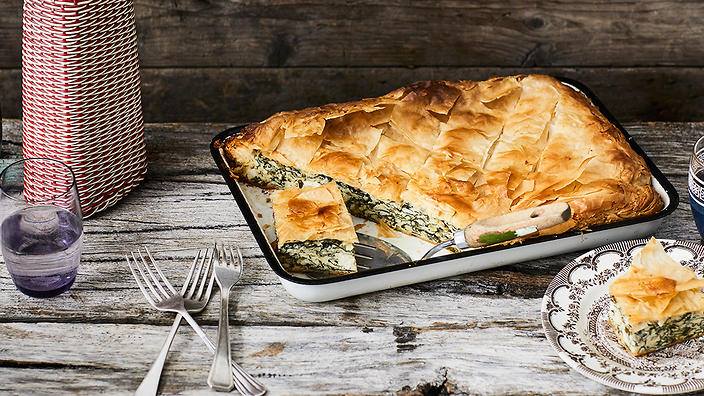
The most popular and my favourite is feta. A small square of homembrand feta cheese is about $3 from the supermarket and I can usually make this last a month. (You can also easily make it at home.) A small piece broken off and sprinkled on a salad is all I need. I also add it to Spinach & Feta Triangles (Spanakopita). Halloumi is another Greek cheese which keeps it’s shape when fried and can be a dish on it’s own served with a salad. Add a variety of Greek cheese to your shopping trolley to give your dishes a whole new flavour. Saganaki is a dish of fried cheese named after the pan it is fried in but can be referred to a variety of dishes finished with cheese.
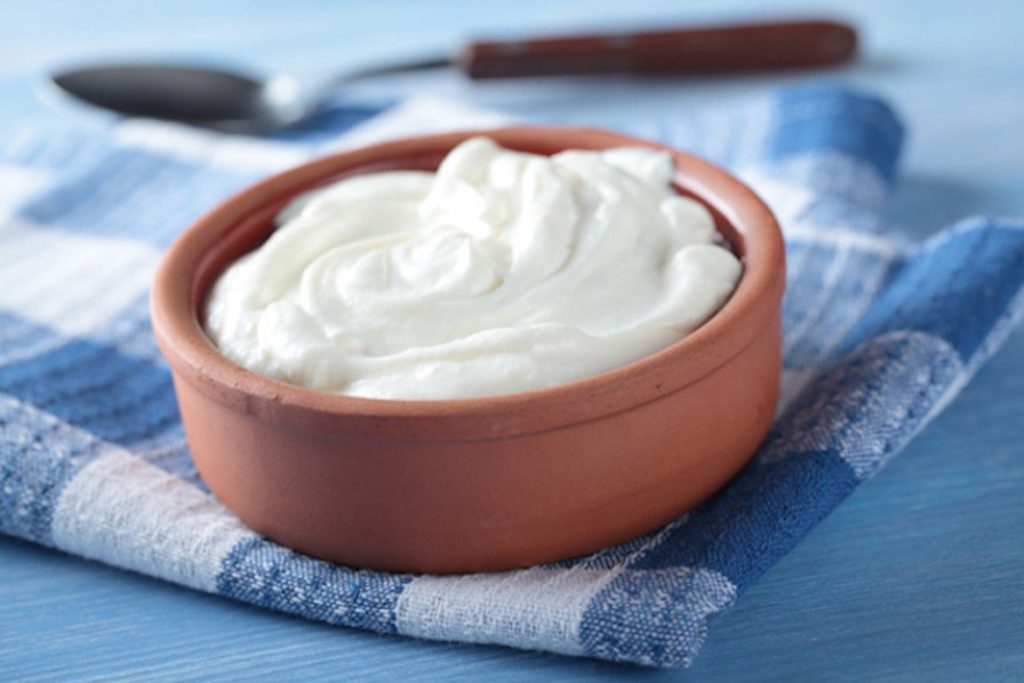
 
Other must haves for a Greek pantry include Greek yoghurt, filo pastry and extra virgin olive oil.
 
HERBS & SPICES:
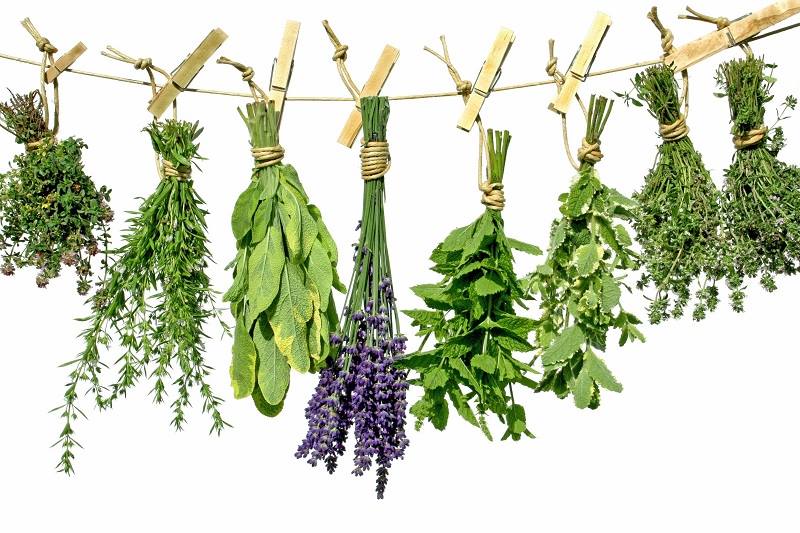
Herbs like oregano, dill, mint, fennel, parsley, rosemary and thyme are commonly used. For both sweet and savoury, a little nutmeg is used in meat dishes like Moussaka and Pastitsio. Fresh is best but dried is always good to have in the pantry.
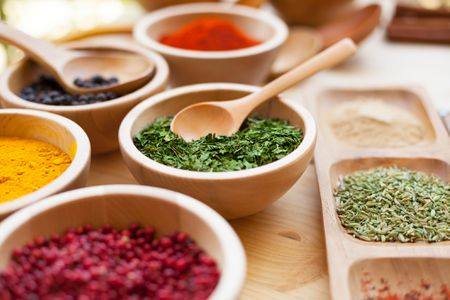
Anise, cinnamon, salt, pepper, cloves, dried coriander, cumin, saffron, sumac and dried chilli are all commonly used spices.
 
BREAD:
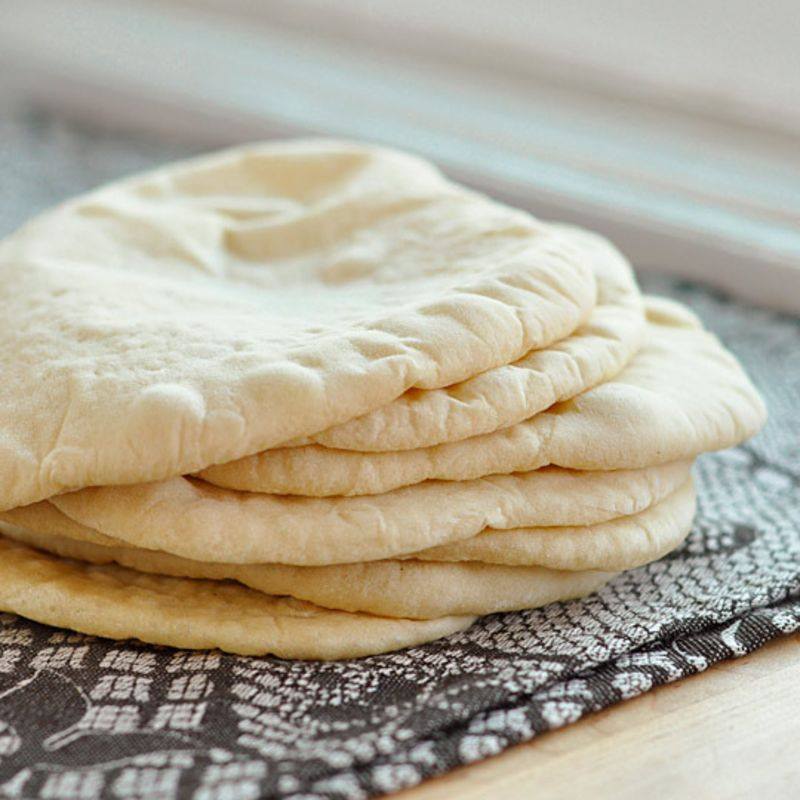
What’s not to love about wrapping grilled souvlaki in Greek pita bread? A flat bread, usually with a pocket that is readily available from the supermarket but can be made easily at home. Keep some in the freezer for quick meal of kebabs.

Greek Sweet Dishes
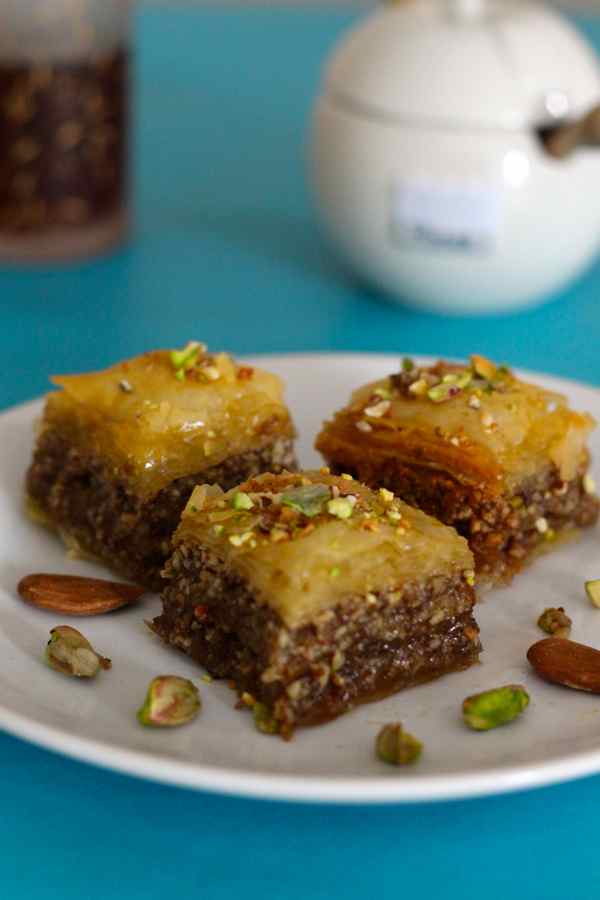
When I think of Greek sweets and desserts I automatically think of pastries soaked in honey and filled with nuts like in the traditional Baklava. Not that I’ve ever made but do enjoy a piece if I see it when I’m out.
 
Ingredients to keep on hand for Greek desserts would include:
  • Baking essentials: plain flour, yeast, milk, sugar, icing sugar, butter, eggs etc
  • filo or puff pastry
  • Greek yoghurt
  • Semolina
  • Kataifi dough (check online for nearest stockist)
  • honey
  • citrus fruits
  • rice
  • Spices, eg cinnamon, nutmeg, cloves
  • nuts, eg walnuts, pistachios, almonds
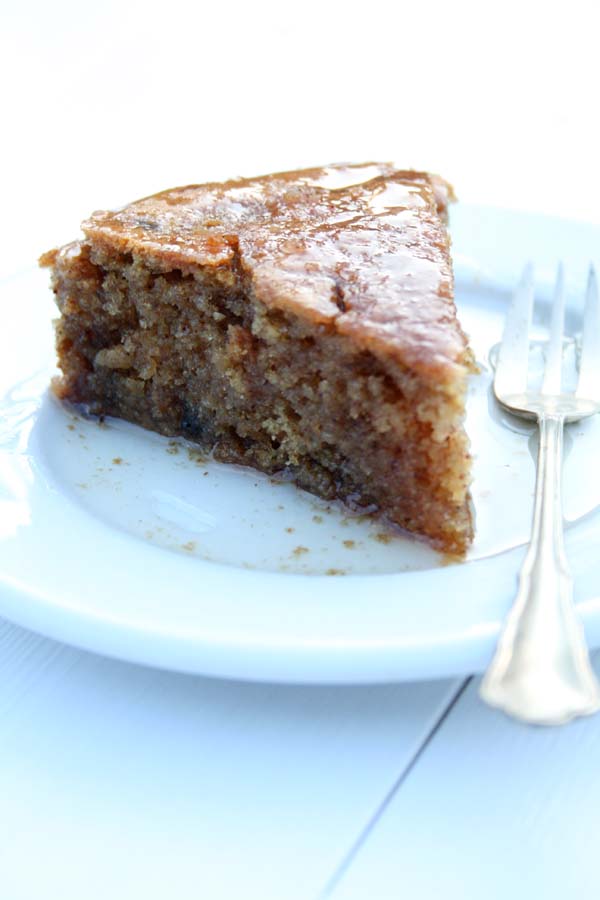
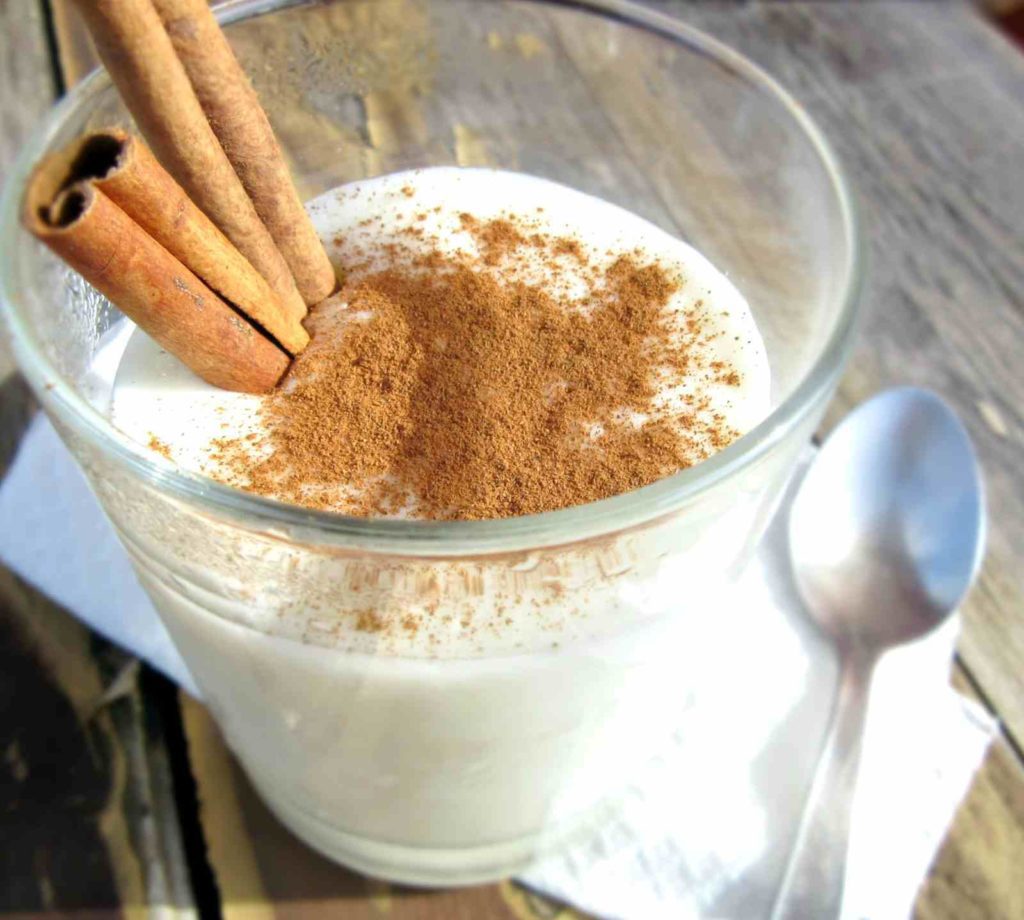
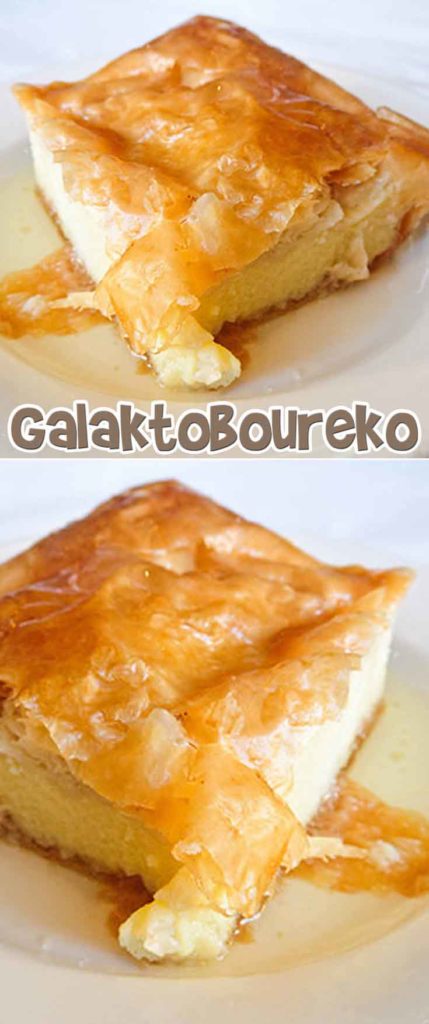
Baklava isn’t all their known for. Check out the other desserts below that can easily be recreated at home.


Sunday, October 4, 2015

Slow Cooker Greek Lamb with Garlic Sauce (Gravy)

In an attempt to get more (or at least some) order in my life and balance family, study, blogging, a wedding and a new relationship, I’ve been using my slow cooker for just about every meal these last few months. In fact, most of my meal planning incorporates the slow cooker. As well as being the perfect appliance for heart warming stews in winter, it is perfect for the warmer months as it won’t heat up the kitchen but it will cook a joint of meat, such as this lamb, just perfectly. This is how I cook lamb all the time. I’ve shared this Free Form Lamb & Potato Pie before plus using the lamb in wraps, but I thought I’d share the recipe on it’s own and how you can make the perfect sauce made with the juices.

It really couldn’t be any easier than throwing as many cloves of garlic you like in the bottom of the slow cooker (skin and all), place the lamb on top, sprinkle on oregano, salt, pepper and a dash of olive oil. That’s it! Just leave it to do it’s thing.

Once cooked, retrieve the garlic cloves and squeeze out the garlic. It’ll be soft like butter.

This delicious squishy mush will be used in the sauce for the meat. Put the meat aside to rest while you make the gravy.

Pour the juices into a saucepan and carefully skim off any excess fat. Make a paste from 2 tablespoons of flour with water until a smooth paste forms. Add this to the juices from the lamb and over a medium heat, stir until thickened. Adjust seasonings if required. Return the roasted garlic to the gravy.

The lamb may not be as crispy as if you cooked it in the oven but the meat will fall off the bone and be so full of flavour.

Serve with vegetables of your choice and besides the above recipes for using up the leftover lamb, stay tuned for another tasty recipe to come. Make use of your slow cooker as much as you can. Your evening meal is prepped in the morning, cooking all day which makes your job a lot easier come dinner time.

Slow Cooker Greek Lamb with Garlic Sauce

  • leg or shoulder of lamb
  • 5-6 cloves of garlic (no need to peel)
  • 1 tablespoon of dried oregano
  • 1 tablespoon of extra virgin olive oil
  • salt & pepper

Garlic Sauce (Gravy)

  • 2 tablespoons plain flour
  • enough water to form a smooth paste
  • juices and garlic from the lamb
  1. In a slow cooker, place 5 to 6 cloves of garlic, unpeeled.
  2. Place the joint of lamb on top of the garlic and sprinkle with the oregano, salt, pepper and olive oil.
  3. Cook for 4 hours on high or 8 hours on low.
  4. Once cooked, set the lamb aside and retrieve the garlic cloves, squeezing the soft garlic from the garlic peel.
  5. Pour the juices from the lamb into a saucepan and carefully skim off any excess oil.
  6. Make a smooth paste from the flour and water and add to the sauce pan with the soft garlic. (If you don’t have enough juices from the lamb add 1 cup of stock.)
  7. Stir over a medium heat until sauce is thickened.
  8. Serve with vegetables of your choice.

Monday, September 21, 2015

Slow cooker Moussaka with potato

Since beginning my Diploma of Business studies, I’ve been relying on my slow cooker for just about every evening meal. I had picked up an eggplant with my groceries and the only thing that comes to mind for me is my favourite Greek dish, Moussaka. There are many parts of the world that cook this dish and, traditionally, the Greeks don’t use potato in theirs but I just love it with potato. I usually bake this in the oven to get that golden, crisp top but it didn’t turn out too bad in the slow cooker.

Start by slicing the eggplant into half to 1 cm slices.

Fry until golden in extra virgin olive oil. The eggplant does tend to soak up the oil so make sure it’s hot and drain well on paper towel.

For the potatoes, I like to par cook them in the microwave for a couple minutes. Slice them about the same size as the eggplant.

For the meat sauce, fry lamb mince (you can use beef) and onions, adding the spices and about 2 tablespoons of tomato paste. You’ll need to fry this off a little before mixing in.

Even though this part of the cooking process was done in a pan and not the slow cooker, it didn’t take too long.

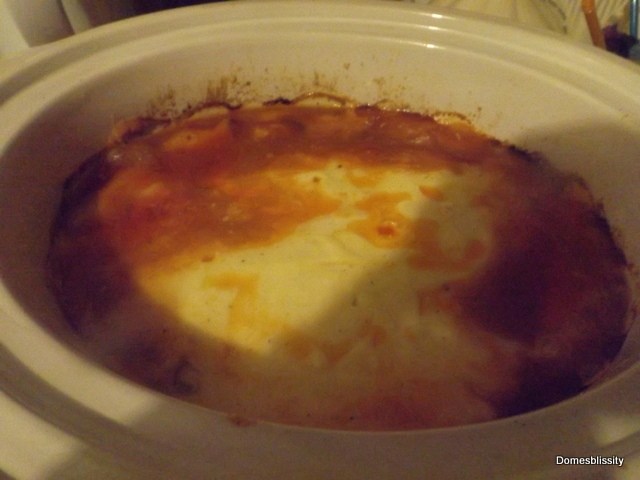
Layer your sliced potatoes, eggplant and mince mixture, finishing off with a rich bechamel sauce and leave for 4 hours on high or 8 hours on low in the slow cooker.

My mouth is watering looking at this photo and wish I could have a piece again right now. Such a wonderful combination of flavours.

You could prep this dish up until http://www.shannonrovers.com/profile/Paulsen about an hour before dinner time, leaving it in the fridge but I opted for the slow cooker. There’s quite an accomplished feeling for me using it and it’s a less stressful time just before dinner.
Do you add potato to your moussaka?
Slow Cooker Moussaka with Potato
  • 500gm lamb mince
  • 3 two medium potatoes, sliced
  • 1 medium eggplant, sliced
  • 1 large onion, diced
  • 1 can diced tomatoes
  • 2 tbs tomato paste
  • 1 cup beef stock
  • 3 cloves garlic, crushed
  • extra virgin olive oil for frying
  • 1 tsp ground cinnamon
  • 1 tsp dried oregano
  • 3 bay leaves
  • salt & pepper

Bechamel sauce:

  • 3 tbs butter
  • 2 tbs plain flour
  • 2 cups milk
  • 1 egg, beaten
  • 1/2 cup grated cheese
  • salt & pepper
  • 1/2 tsp nutmeg
  1. Fry eggplant in hot olive oil until golden and drain on paper towel.
  2. Par cook potato slices in boiling salted water or in the microwave.
  3. Brown mince and onion until browned then add garlic, cinnamon, oregano, salt and pepper.
  4. Add tomato paste and cook in the pan then mix through mince mixture.
  5. Add canned tomatoes and stock then add bay leaves and cook for approximately 15 minutes.
  6. Season well with salt and pepper.
  7. For the Bechamel sauce, melt butter in a sauce then add flour and cook well.
  8. Add milk and stir until thickened.
  9. Add beaten egg and cheese, salt and pepper and nutmeg.
  10. To assemble moussaka in slow cooker (or baking dish for the oven), spread a little meat sauce on the bottom, then add a layer of eggplant, a layer of potato and a layer of meat sauce. Repeat until all have been used.
  11. Top with the Bechamel sauce.
  12. Cook on low for 8 hours or 4 hours on high in the slow cooker (or approximately 30 minutes in the oven until the top is golden brown).